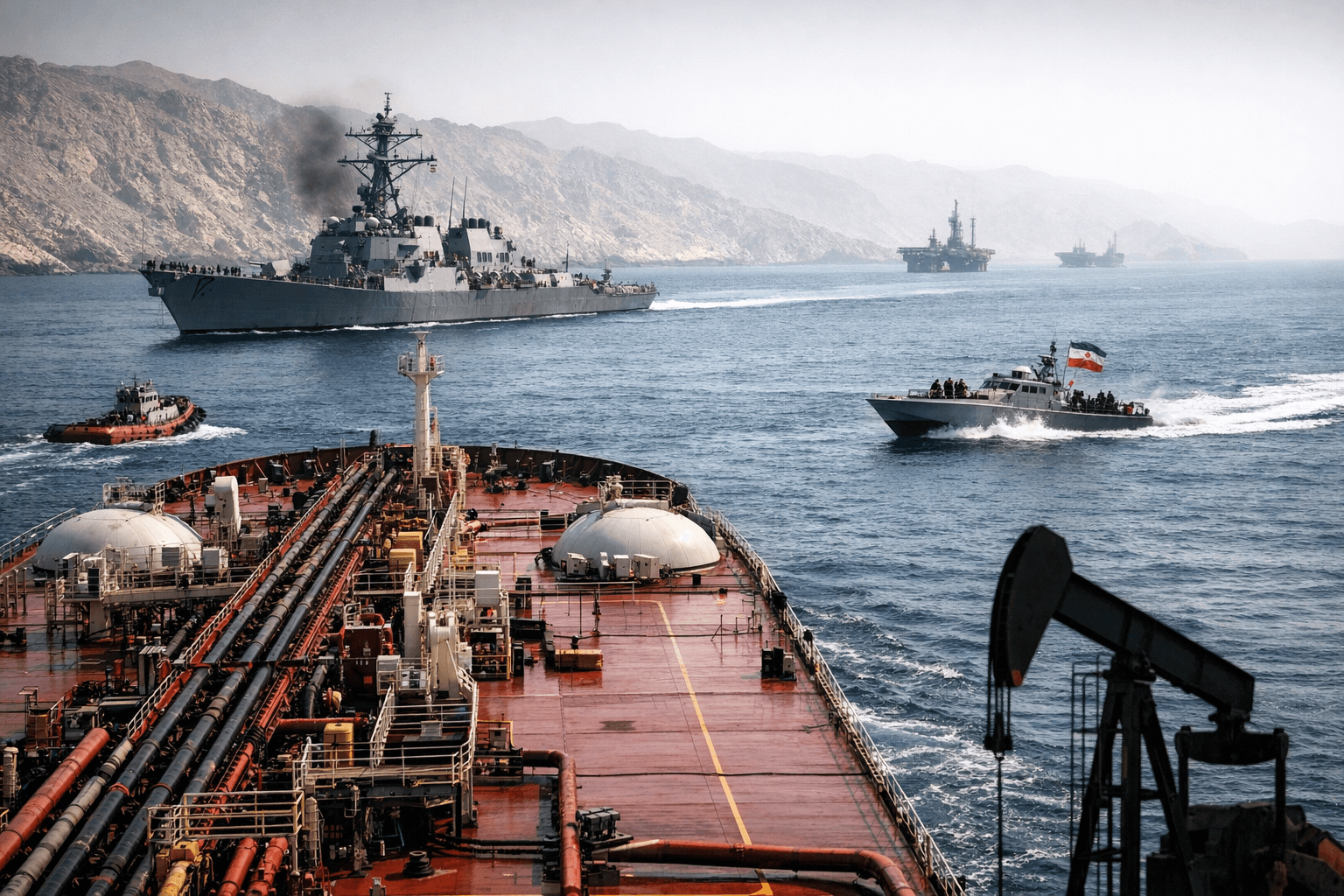
Trump Welcomes Iran's Partial Reopening of Strait of Hormuz Amid Ceasefire
Iran said the Strait of Hormuz was “completely open,” but Trump kept a blockade on Iranian ships and ports in place as oil prices dropped sharply.
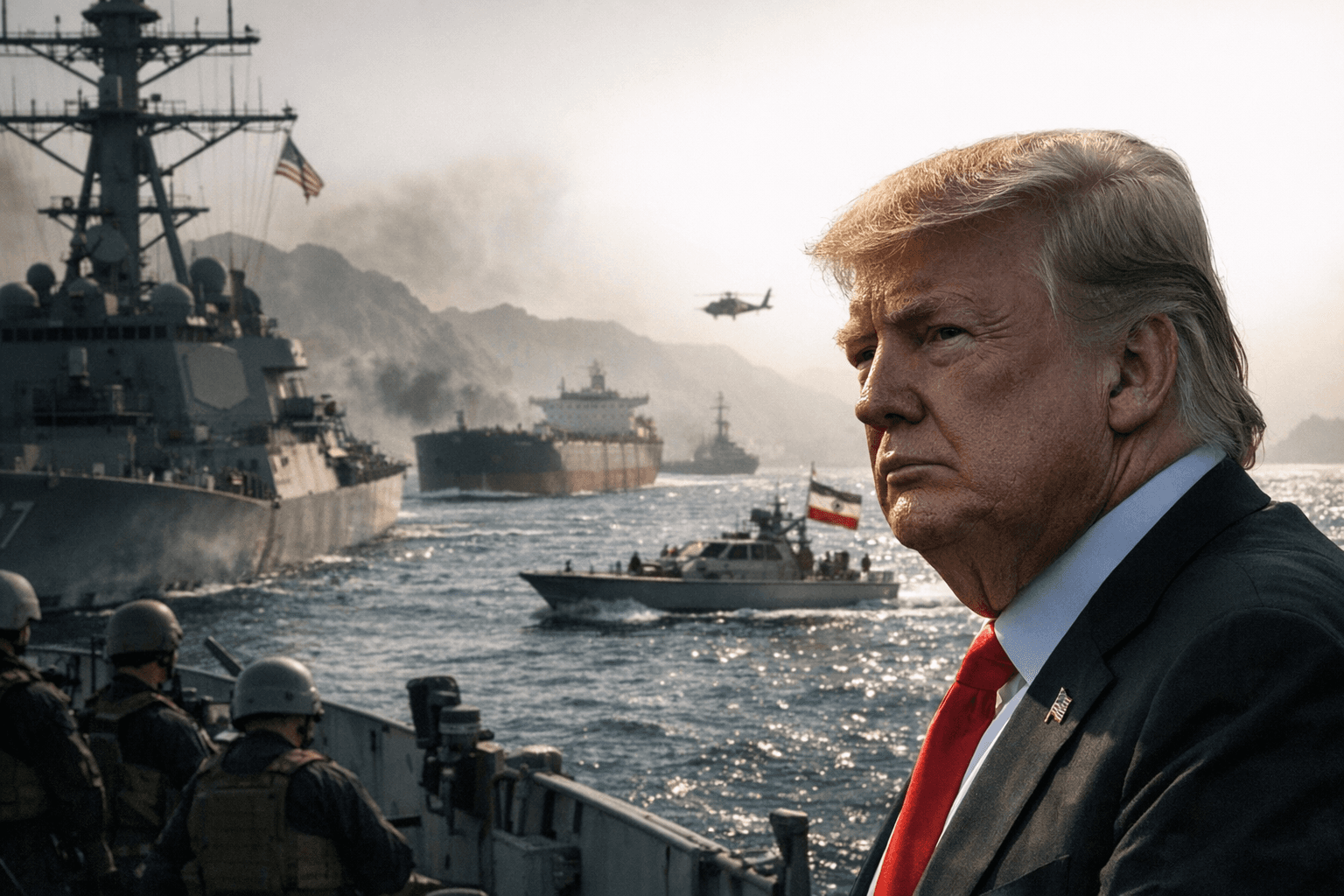
Iran’s announcement that the Strait of Hormuz was open did not end the standoff around the world’s most sensitive oil passage. Donald Trump welcomed the move, but he also said the U.S. blockade on Iranian ships and ports would remain in force until a deal is reached, leaving Washington and Tehran aligned on commercial traffic only in part, not in full.
Iranian Foreign Minister Abbas Araghchi said the passage for all commercial vessels through the Strait of Hormuz was “declared completely open for the remaining period of ceasefire.” Trump first posted that Iran had said the strait was “fully open and ready for full passage,” then followed with the warning that U.S. pressure on Iranian shipping would stay in place. The result was a rare moment of de-escalation mixed with an unmistakable limit: commercial movement may resume, but sanctions and blockade measures are not gone.
That uncertainty matters because the Strait of Hormuz is one of the world’s most important oil chokepoints, carrying about 20% of global oil shipments. Oil markets reacted immediately, with reports of losses of more than 10% to nearly 12% as traders priced in the prospect of more ships moving through the waterway. Stock markets rallied on the expectation that the shipping crisis could ease, at least for now.
The opening was linked to a 10-day ceasefire between Israel and Hezbollah in Lebanon, which Trump said helped create conditions for broader talks. He said negotiations to end the Iran war could happen this weekend and that a wider agreement might come “soon.” That diplomacy, however, has not yet resolved the basic question at the heart of the fight: if Iran says the strait is open, why does Washington say the blockade remains?
There are also signs that the reopening is not unconditional. Iranian media affiliated with the Revolutionary Guard described it as a limited reopening, and a source close to Iran’s Supreme National Security Council said ships would have to coordinate with Iranian forces and follow a designated route. Adm. Brad Cooper of U.S. Central Command said the strait remained open to ships traveling to and from non-Iranian ports, while U.S. forces kept close watch on Iranian ports. For now, the waterway is moving again, but under rules that still reflect the pressure, mistrust and economic stakes of a conflict that is far from settled.
Know something we missed? Have a correction or additional information?
Submit a Tip