Tehran Says Strait of Hormuz Reopens, Denies Broader Deal With U.S.
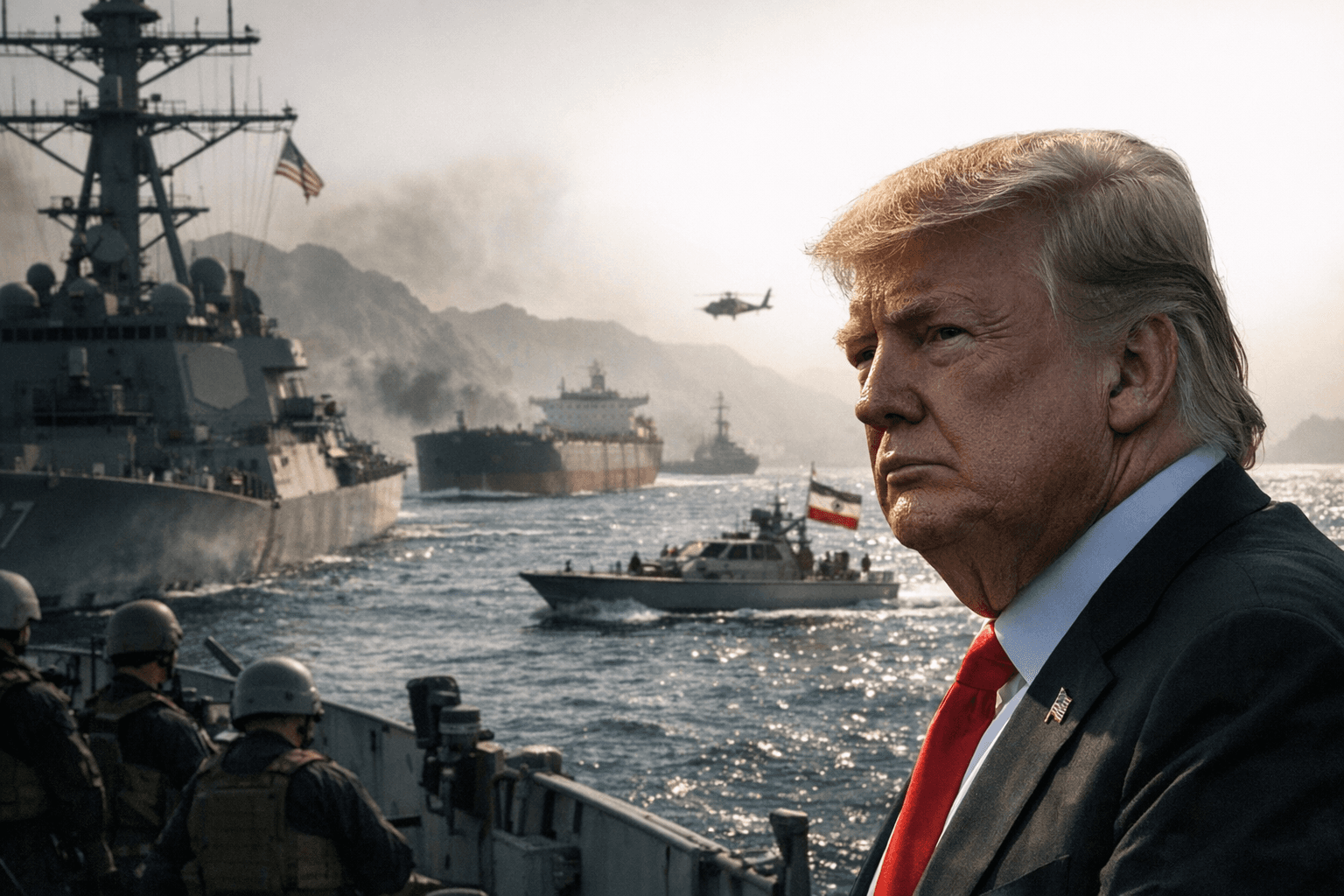
Tehran reopened the Strait of Hormuz for commercial ships, but rejected Trump’s claim that a broader U.S.-Iran deal was already in hand.
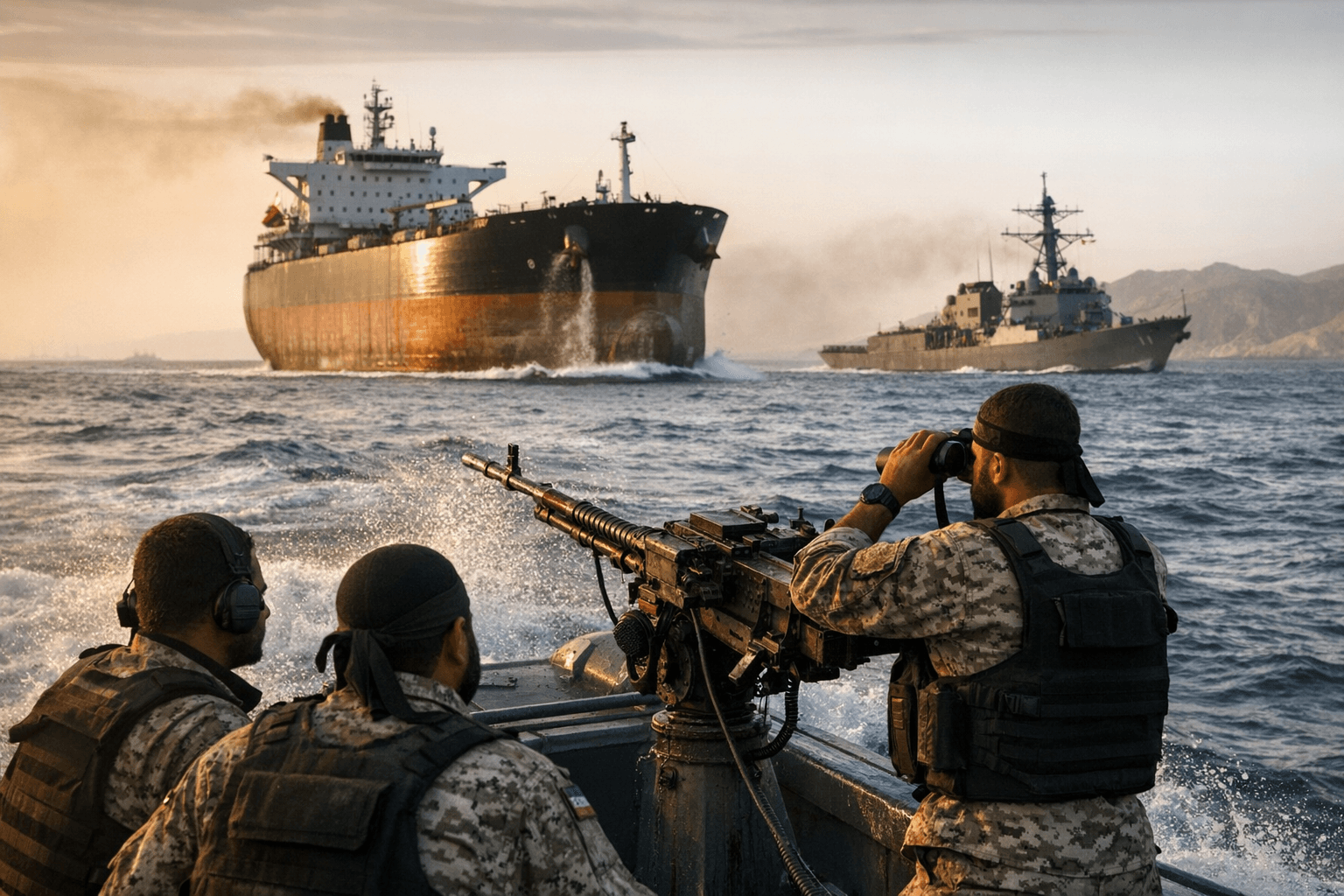
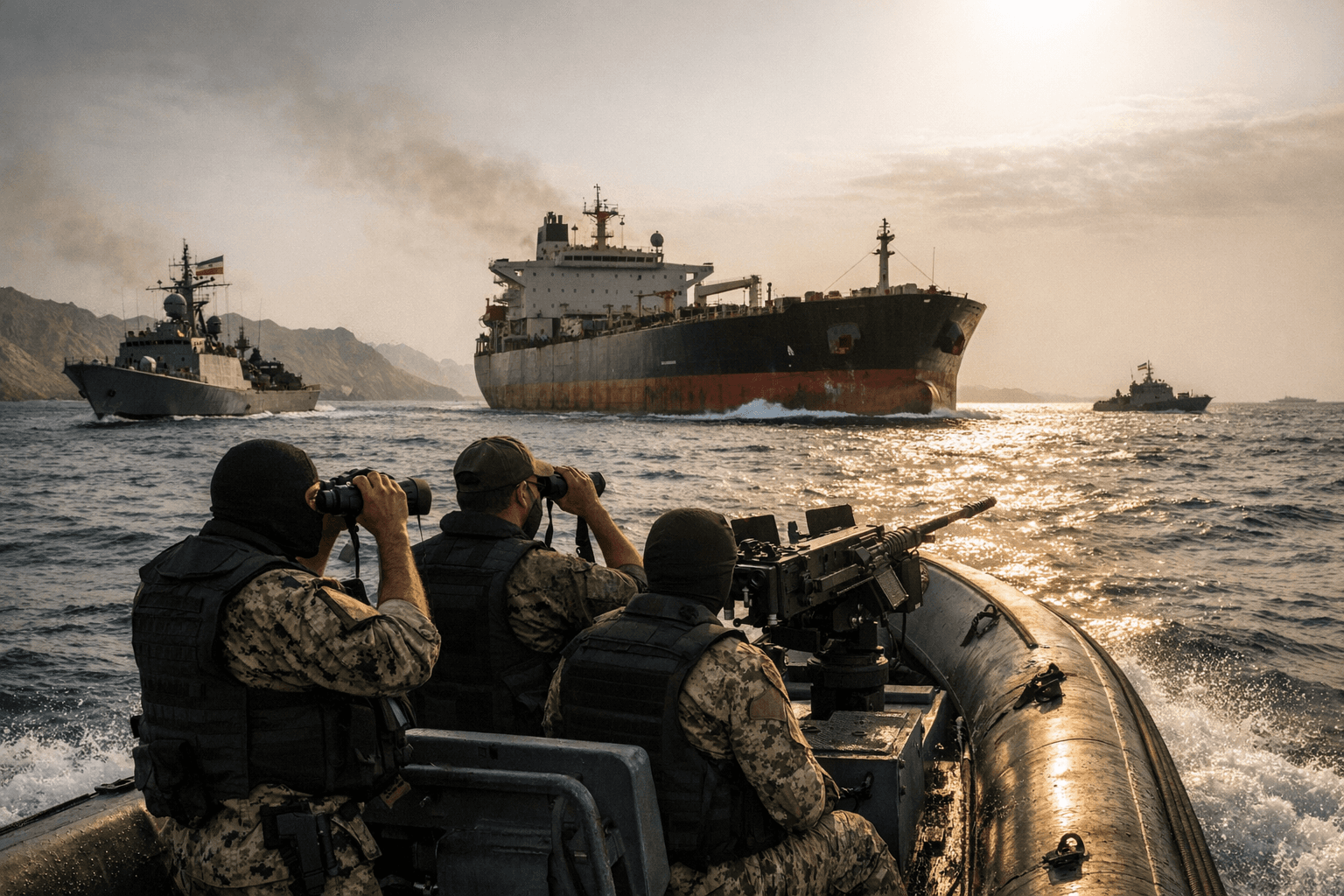
Tehran opened the Strait of Hormuz to commercial shipping, but it quickly drew a line under Donald Trump’s claim that a wider breakthrough with Washington was near. Iranian Foreign Minister Abbas Araghchi said passage for all commercial vessels through the strait was open for the remainder of the Israel-Lebanon ceasefire, while Trump said the American blockade on Iranian ships and ports would stay in force until a broader deal was completed.
That split exposed the narrowness of the agreement actually in place. Iran has publicly accepted only the reopening of the maritime lane, and only on a temporary basis tied to the ceasefire. There is no public sign that Tehran accepted the broader U.S. demand for a more comprehensive settlement, including on Iran’s nuclear program, even as Trump said “most of the points are already negotiated” and argued the process should move quickly.
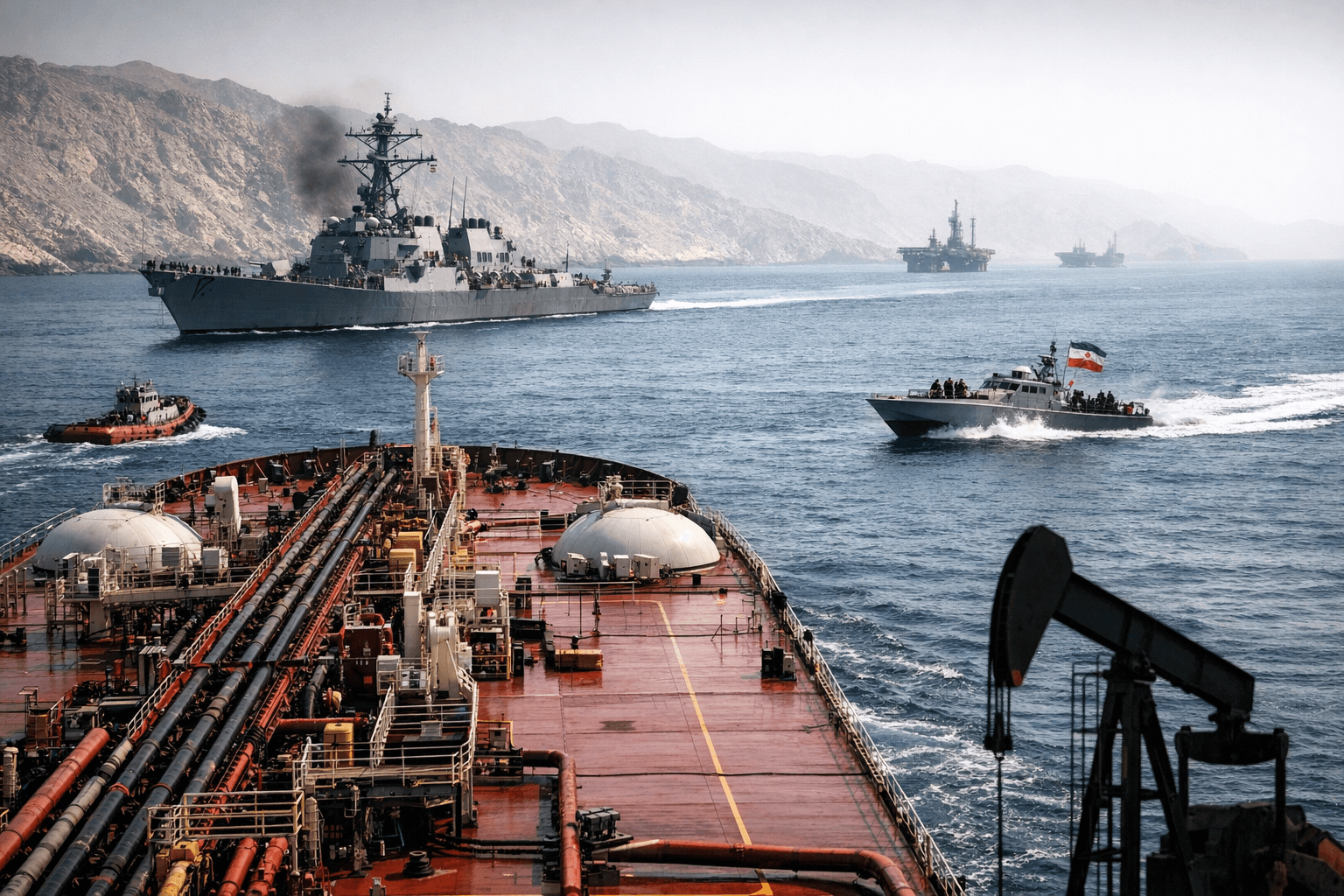
The distinction matters because the Strait of Hormuz is one of the world’s most important energy chokepoints, typically carrying about one-fifth of global oil and gas supplies. The shutdown had already pushed up shipping costs and rattled markets. After the reopening announcement, oil prices fell sharply, with U.S. crude dropping to about $83.85 a barrel and Brent to about $90.38. The move also helped lift U.S. stocks to record highs, a sign investors saw some de-escalation, even if the diplomatic picture remained unsettled.
Analysts and shipping experts warned that traffic might not return to normal quickly. It was not yet clear whether the opening would be unconditional or limited to a coordinated route during the ceasefire. The reopening also did not end the wider standoff: before Tehran’s announcement, the United States had imposed a naval blockade on Iranian shipping, and U.S. officials were said to be preparing for possible follow-up talks within days.
Iran framed the move as temporary and conditional on the ceasefire holding, not as a permanent peace settlement. Trump, by contrast, presented it as evidence that the talks were moving fast and that the remaining issues were largely resolved. Tehran’s public pushback suggested otherwise. For now, the verified progress is limited to one strategic shipping lane reopening for commercial vessels, while the broader bargain Trump described remains unconfirmed.
Know something we missed? Have a correction or additional information?
Submit a Tip