U.S. and Iran Declare Strait of Hormuz Open, Oil Prices Tumble
The Strait of Hormuz reopened to commercial ships as oil prices sank about 10%, but Washington and Tehran still sent dueling signals over whether peace was actually in reach.
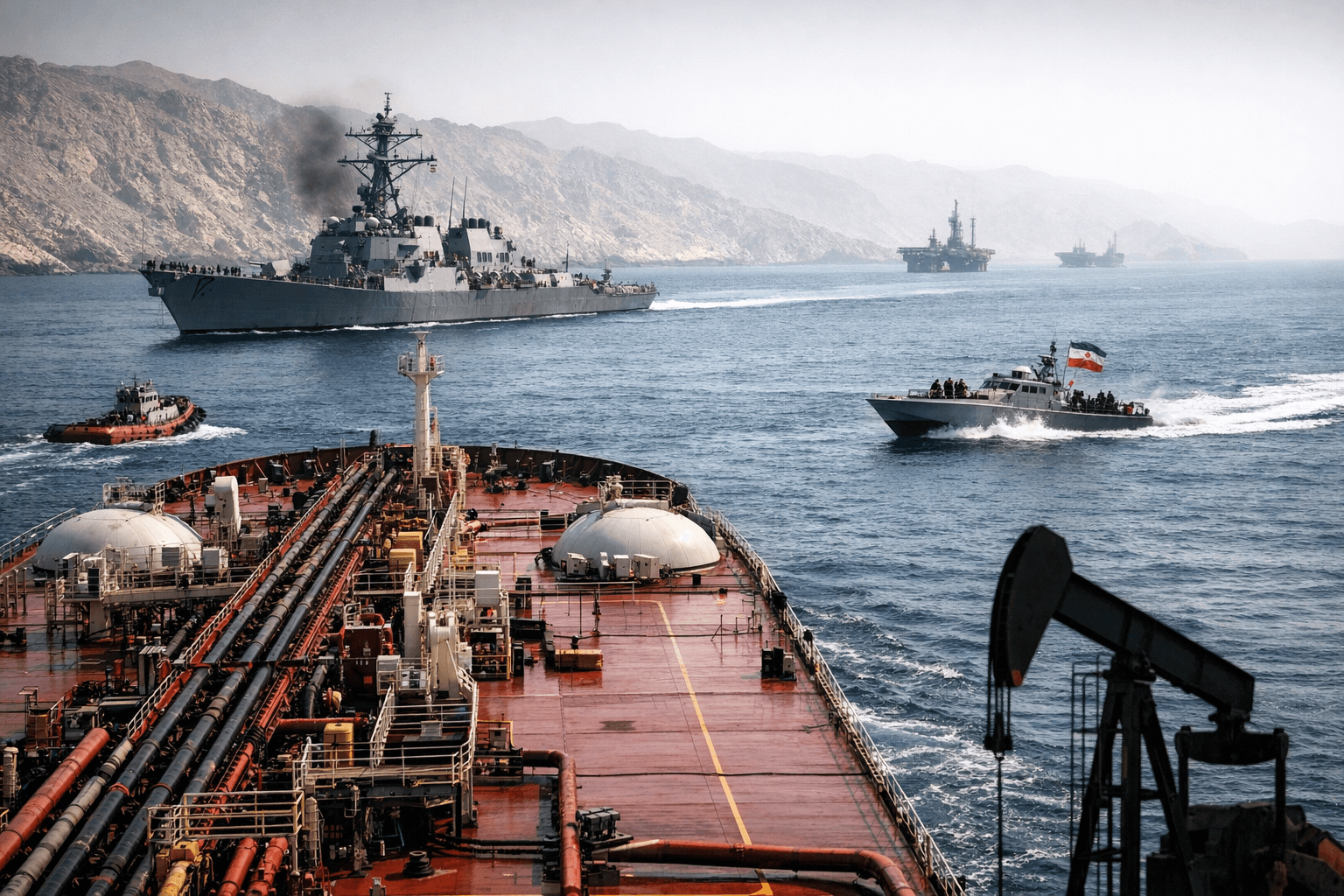
The Strait of Hormuz was declared open to commercial shipping just as Washington and Tehran were sending sharply different messages about what comes next. Iran’s foreign minister, Abbas Araghchi, said passage for all commercial vessels through the narrow Persian Gulf waterway was “completely open” for the rest of the ceasefire, while Donald Trump said the American blockade on Iranian ships and ports would stay in force until a broader deal was finished.
That contrast mattered because the strait is no side issue. It typically carries about one-fifth of the world’s oil and gas supplies, and traffic through it had been running at a trickle as the war widened. The reopening announcement came after a 10-day ceasefire between Israel and Lebanon took effect on April 17, 2026, tying the shipping decision to a fragile pause in fighting rather than to a signed peace accord.
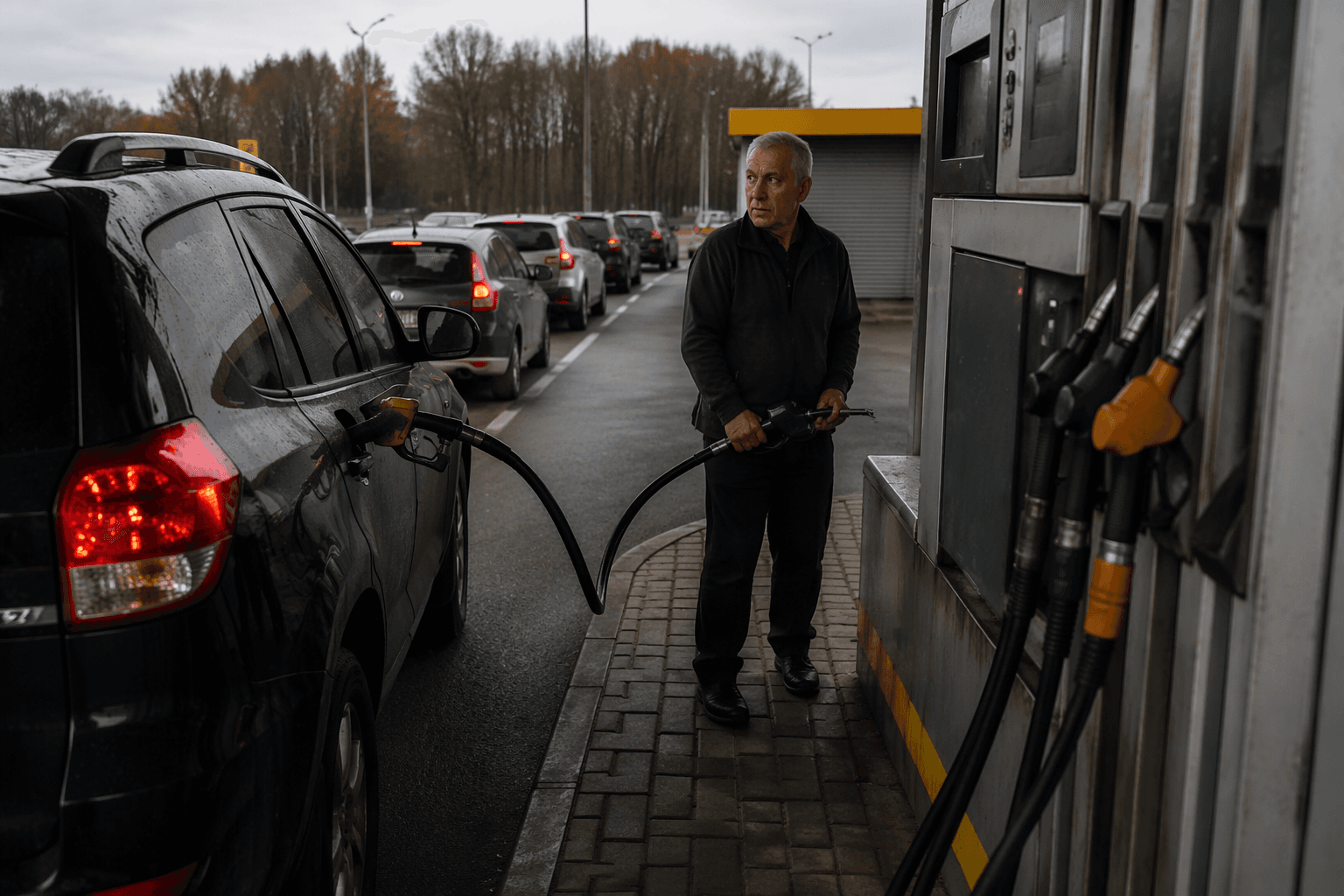
Markets reacted immediately. Major oil benchmarks fell roughly 9% to 10% after the announcement, a sharp drop that reflected hope that the chokepoint might stay open and supply disruption might ease. But shipping experts warned that the news did not mean a full return to normal. Concerns remained about security, and traffic was not expected to snap back quickly to prewar levels.
The diplomacy was equally split between encouragement and caution. Trump said the two sides were “very close” to a deal and that “most of the points are already negotiated.” He later added that the blockade would remain “in full force” until a deal is struck. Araghchi, for his part, paired the commercial reopening with the ceasefire terms, signaling that Iran was not treating the move as a broader concession beyond the current truce.
The talks themselves underscored how unusual the moment was. They marked the first direct high-level meeting between the United States and Iran in more than a decade and the highest-level discussions since the 1979 Islamic Revolution. That history makes the shipping announcement more significant than a temporary market rally, but it does not yet prove that a peace deal is locked in.
For now, the concrete facts point to limited de-escalation: commercial vessels can pass through the Strait of Hormuz, the ceasefire has given the route a temporary opening, and oil traders have repriced the risk. What remains unresolved is the harder test: whether Washington’s blockade, Tehran’s warnings, and the broader conflict can be converted into a lasting settlement.
This article was produced by Prism’s automated news system from verified source data, official records, and press releases, then run through automated quality and moderation checks before publishing. The system is built and supervised by the people who set the standards it runs under. Read our full AI policy.
Did this article answer your question?