Iran seeks Putin talks as U.S. negotiations stall over conflict end
Iran’s foreign minister went to Moscow after U.S. talks stalled, signaling Tehran needs Putin to keep channels open while giving Russia more leverage.
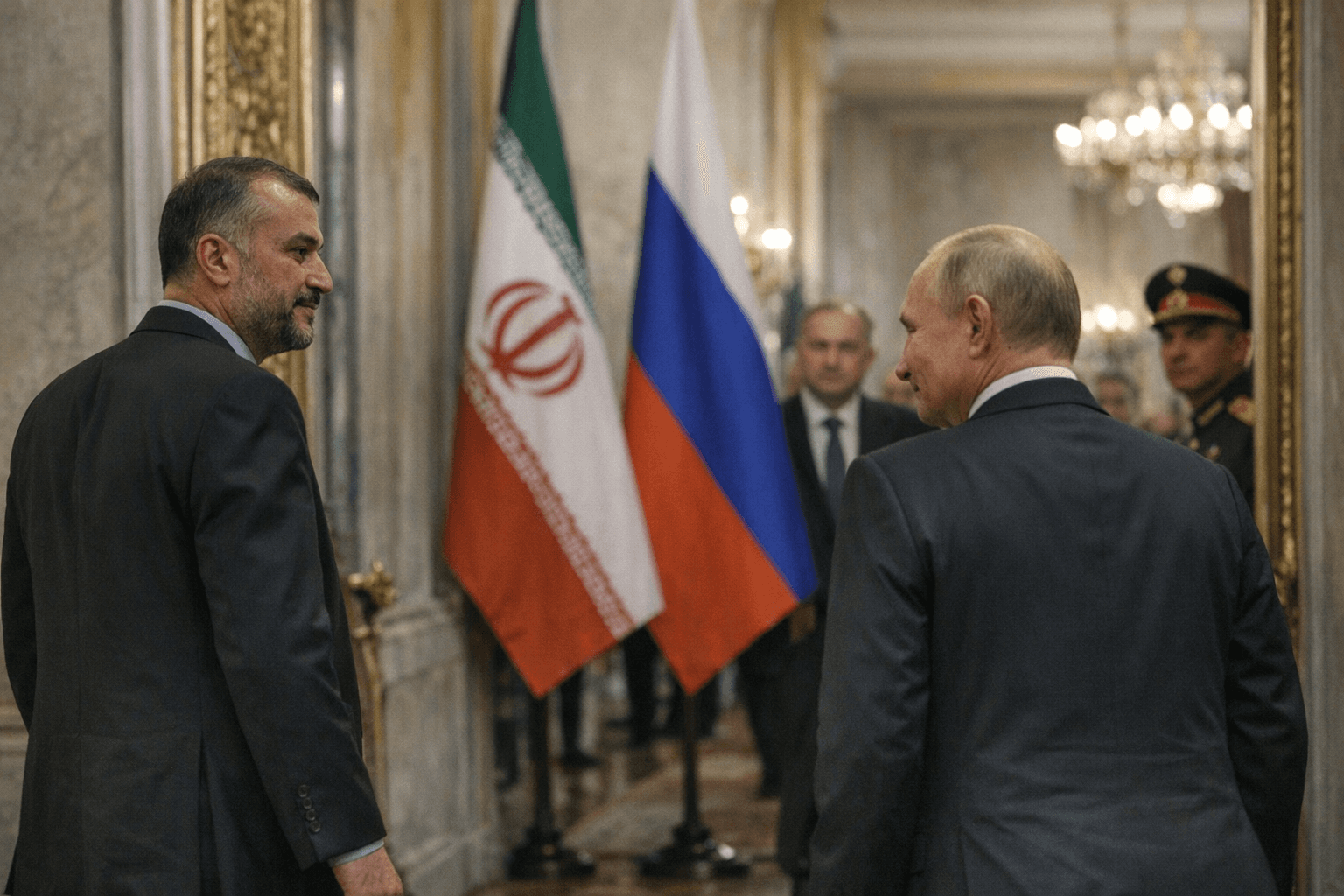
Abbas Araghchi turned to Moscow as Tehran’s negotiations with Washington lost momentum, setting up talks with President Vladimir V. Putin for what Iranian officials described as “necessary coordination.” The visit underscored a simple transaction at the center of Iran’s diplomacy: when direct progress with the United States stalls, Tehran needs Russia to help keep the talks alive and to avoid negotiating from a position of isolation.
Araghchi, Iran’s foreign minister, had already moved through Pakistan and Oman in a regional push to revive ceasefire discussions and preserve intermediary channels. Islamabad and Muscat had both been involved in mediation efforts, and Araghchi arrived in Russia after those stops with a clear message that the latest developments needed to be coordinated with Russian officials. Iranian state media said the previous round of talks collapsed after what Araghchi called “excessive demands” from the United States.
The timing sharpened the stakes. A planned trip by U.S. envoys Steve Witkoff and Jared Kushner to Islamabad was canceled, and President Donald Trump said Iranian leaders could contact Washington directly if they wanted talks. Instead, Tehran doubled down on a route that runs through its most important strategic partner, not through a bilateral channel with the White House.
That makes Putin more than a symbolic host. In practice, Moscow becomes a necessary interlocutor when diplomacy falters, giving the Kremlin leverage over the tempo and framing of any broader settlement. For Iran, Russian backing can help sustain bargaining power while conflict with the United States and Israel stretches into its second month. For Putin, the meeting reinforces Russia’s role as a gatekeeper in a crisis that Washington has struggled to contain.
The relationship rests on a deeper legal foundation that was formalized only months ago. Putin and then-Iranian President Masoud Pezeshkian signed a 20-year Comprehensive Strategic Partnership Treaty in Moscow on January 17, 2025, and Russia ratified it in April 2025. The pact covers defense, energy, transport, finance, and other sectors, giving this Moscow meeting added weight as Tehran looks for support, coordination, and leverage while direct U.S. diplomacy remains stalled.
This article was produced by Prism’s automated news system from verified source data, official records, and press releases, then run through automated quality and moderation checks before publishing. The system is built and supervised by the people who set the standards it runs under. Read our full AI policy.
Did this article answer your question?