Iran Sends New Ceasefire Proposal as Trump Weighs Strait Reopening
Iran sent a new ceasefire offer through Pakistan, but the fight now turns on one question: will the Strait of Hormuz reopen without a nuclear deal?
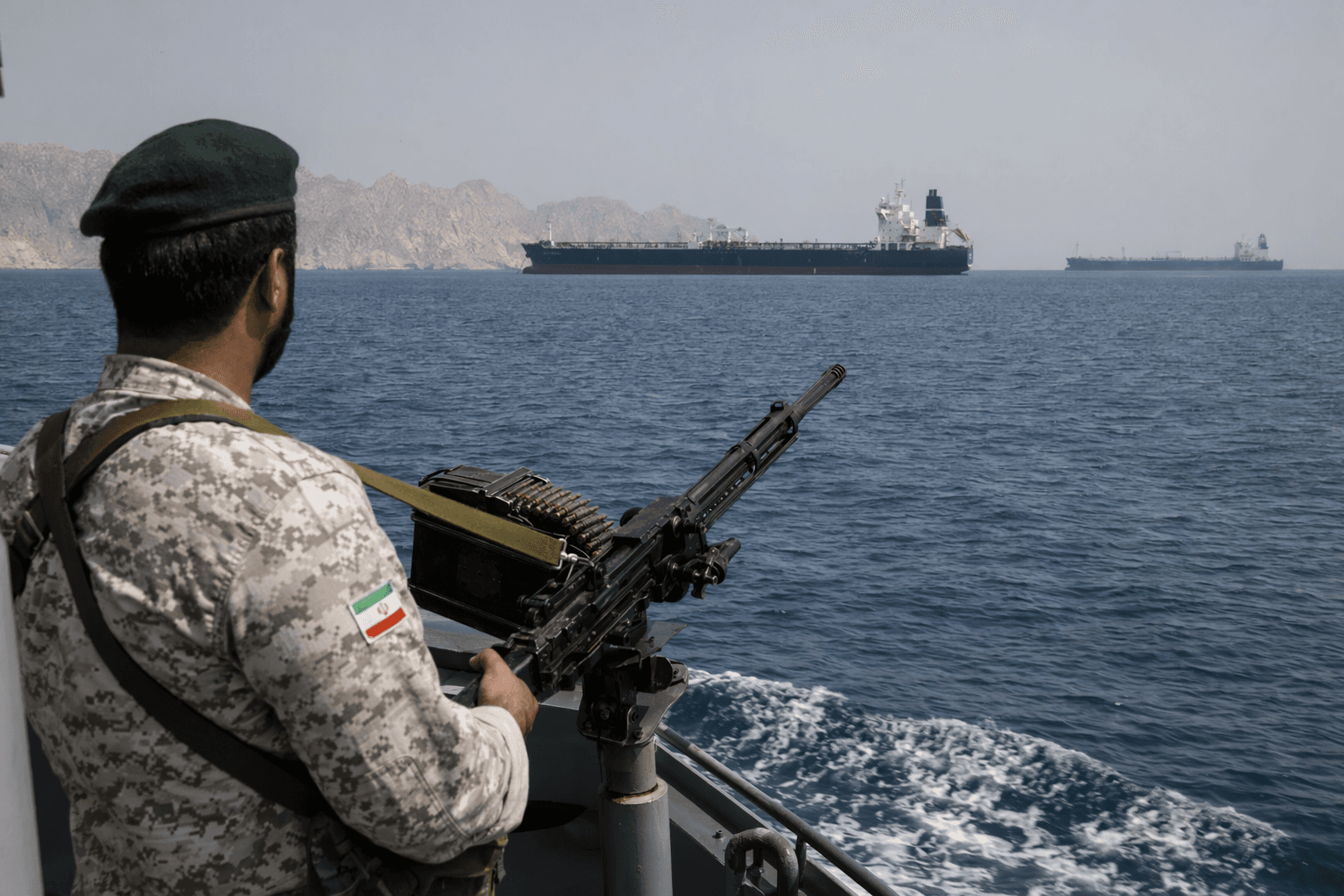
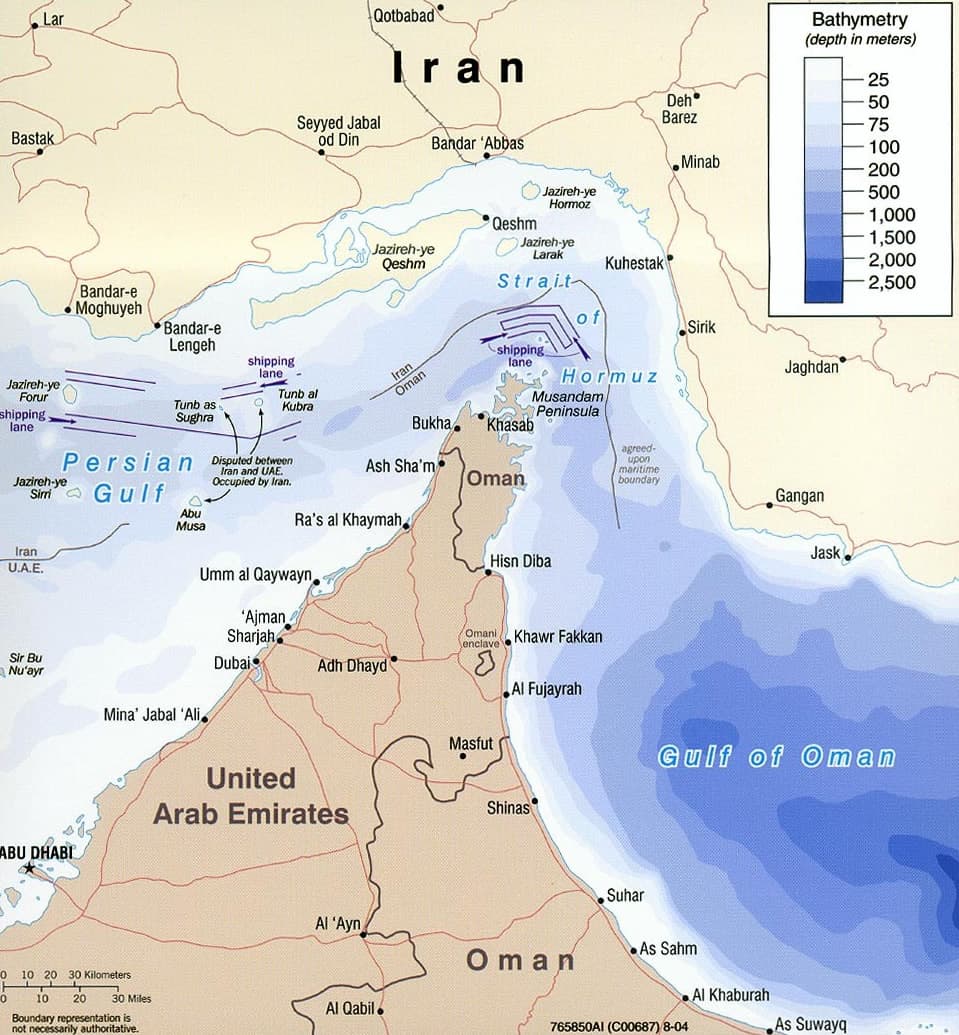
A new Iranian ceasefire proposal reached Pakistani intermediaries on Thursday evening, but the immediate test is not diplomacy for its own sake. It is whether the offer can lower the chance of renewed fighting and restore traffic through the Strait of Hormuz before the conflict inflicts wider damage on oil markets, Gulf security and U.S. military planning.
The latest plan was still vague, and the details remained unclear. The earlier Iranian proposal would have reopened the Strait of Hormuz and ended hostilities first, then pushed negotiations over Iran’s nuclear program to a later phase. Donald Trump had already signaled dissatisfaction with that version, and White House press secretary Karoline Leavitt said Trump and his national security team had discussed the proposal without endorsing it.
Marco Rubio drew the sharpest line against the idea of simply reopening the waterway on Iran’s terms. He said the United States would not accept a system in which Iran effectively controlled or charged for access to an international waterway. That position goes to the core of the standoff: Tehran is seeking leverage over the route, while Washington is treating the strait as an international chokepoint that cannot be converted into a bargaining chip.
The economic stakes are immediate. About one-fifth of the world’s traded oil and gas passes through the Strait of Hormuz in peacetime, and the blockade has sent Brent crude to about $108 a barrel, nearly 50% higher than when the war began. The closure has already pushed up gasoline prices in the United States and raised the cost of fertilizer, food and other basic goods across the world.
The nuclear question remains the central unresolved issue. Trump has said one of the war’s major purposes is to prevent Iran from ever obtaining nuclear weapons, and U.S. officials have repeatedly cast that as the ultimate sticking point. The ceasefire Trump extended on April 7 has held only precariously, with negotiations repeatedly stalling over Tehran’s nuclear program.
Washington has kept its pressure campaign in place as the talks unfold. On April 15, the State Department said it was targeting Iran’s oil-smuggling and oil-for-gold networks and said the United States had sanctioned more than 1,000 persons, vessels and aircraft since National Security Presidential Memorandum 2. Rubio also said the United States had sent messages and held some direct and indirect talks through intermediaries, and that Washington would welcome diplomacy if Iran took demonstrable steps away from any nuclear-weapons ambition.
The timing also points beyond Iran. Abbas Araghchi was in Russia as the proposal circulated, underscoring that Moscow may remain a consequential outside player. For now, the proposal’s meaning lies less in what Tehran says publicly than in whether it changes the risk of more fighting in the Persian Gulf and another disruption at the world’s most sensitive oil chokepoint.
This article was produced by Prism’s automated news system from verified source data, official records, and press releases, then run through automated quality and moderation checks before publishing. The system is built and supervised by the people who set the standards it runs under. Read our full AI policy.
Did this article answer your question?