Iran sends revised response to U.S. peace amendments as talks continue
Iran has sent back a revised answer to U.S. amendments, signaling talks are still alive even as the hardest issues stay locked. The dispute now spans war terms, nuclear demands, and the Strait of Hormuz.
Iran’s revised response to the latest U.S. amendments suggests the channel between Tehran and Washington remains open, but the core terms of any deal are still unsettled. Pakistani officials said the new Iranian reply was delivered through their mediators, extending a back-and-forth in which both sides have kept revising language while avoiding a formal breakthrough.
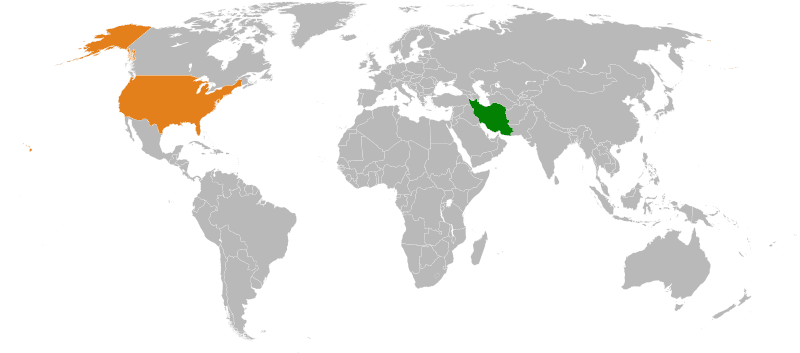
The exchange has unfolded in stages. Washington earlier sent Iran a 15-point peace proposal through intermediaries, then passed along U.S. points for review. Pakistan has since been working to pull both capitals back to the table, with officials in Islamabad now calling the effort the Islamabad Process. Iranian Foreign Minister Abbas Araghchi traveled to Islamabad for talks, but left after the meetings failed to produce an agreement. U.S. envoys had also been expected to head to Pakistan, including Vice President JD Vance, special envoy Steve Witkoff, and Jared Kushner, before President Donald Trump canceled the trip.
What remains movable is the wording and sequence of the diplomatic package. What appears far less flexible is the substance. The U.S. side has insisted that any broader agreement must address Iran’s nuclear program. Iran, meanwhile, has linked the wider confrontation to the Strait of Hormuz standoff, offering to reopen the vital shipping lane if the United States drops its blockade of Iranian ports. That keeps the talks tied not just to war-ending terms, but to sanctions pressure, maritime access, and regional leverage.
The stakes have grown beyond the negotiating table. Traffic through the Persian Gulf has fallen sharply, oil prices have risen, and the dispute is now reaching global shipping and energy markets. Trump also faced a congressional war deadline on Friday, adding pressure on an administration already balancing diplomacy against the risk of a deeper confrontation. For Pakistan, the effort remains a regional security mission as much as a diplomatic one, with Islamabad keeping contacts open with both Washington and Tehran after repeated setbacks.
This article was produced by Prism’s automated news system from verified source data, official records, and press releases, then run through automated quality and moderation checks before publishing. The system is built and supervised by the people who set the standards it runs under. Read our full AI policy.
Did this article answer your question?