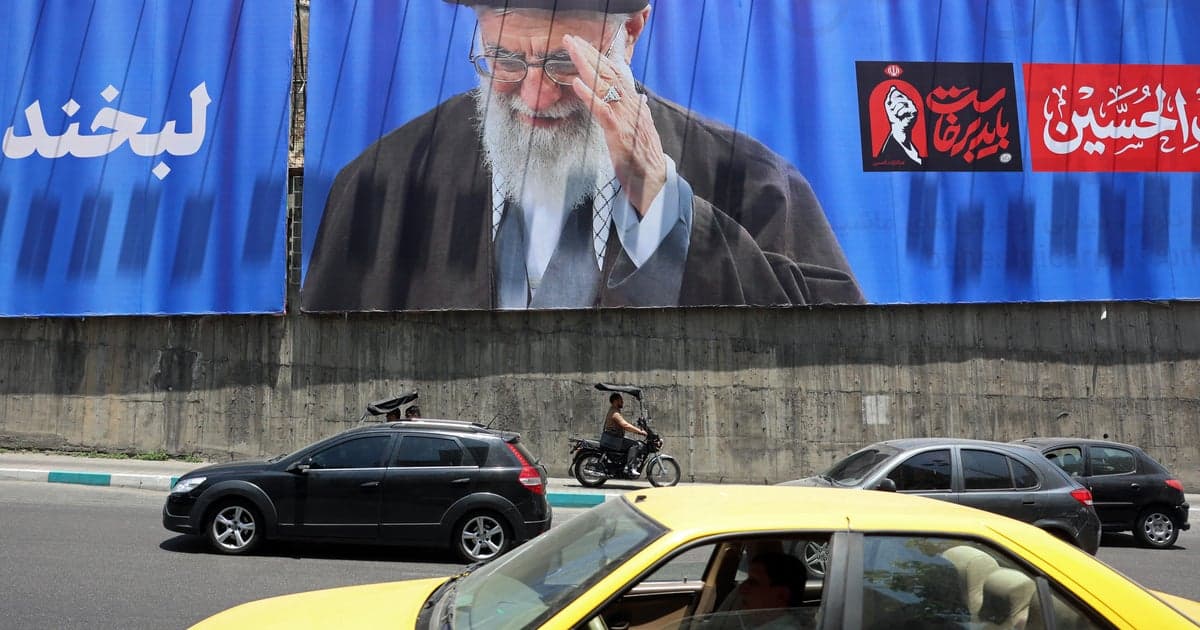
Russia Becomes Syria’s Top Oil Supplier as Ties Persist
Russia supplied about 60,000 barrels a day to Syria this year, filling a gap left by war damage, sanctions and a collapsed domestic oil sector.
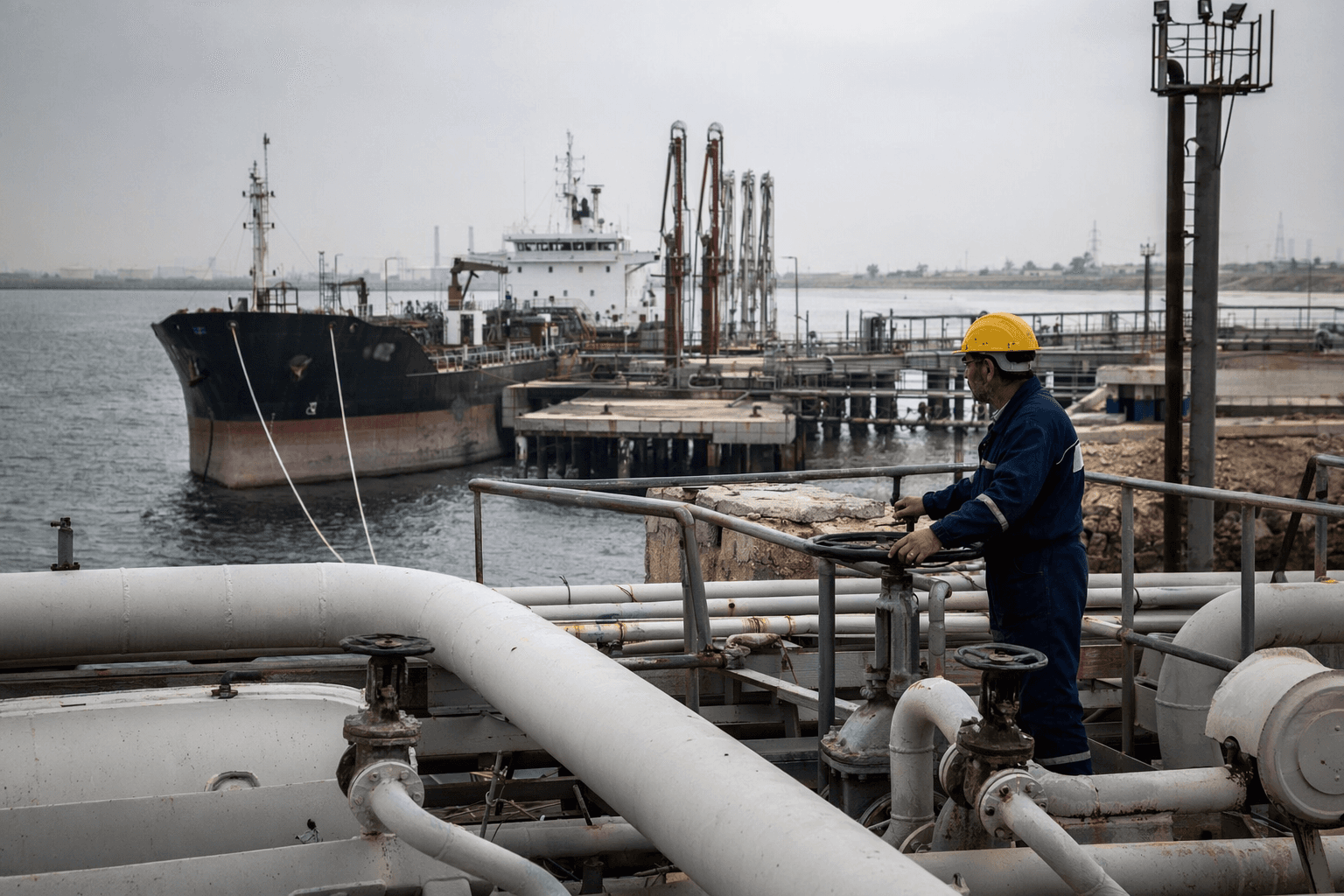
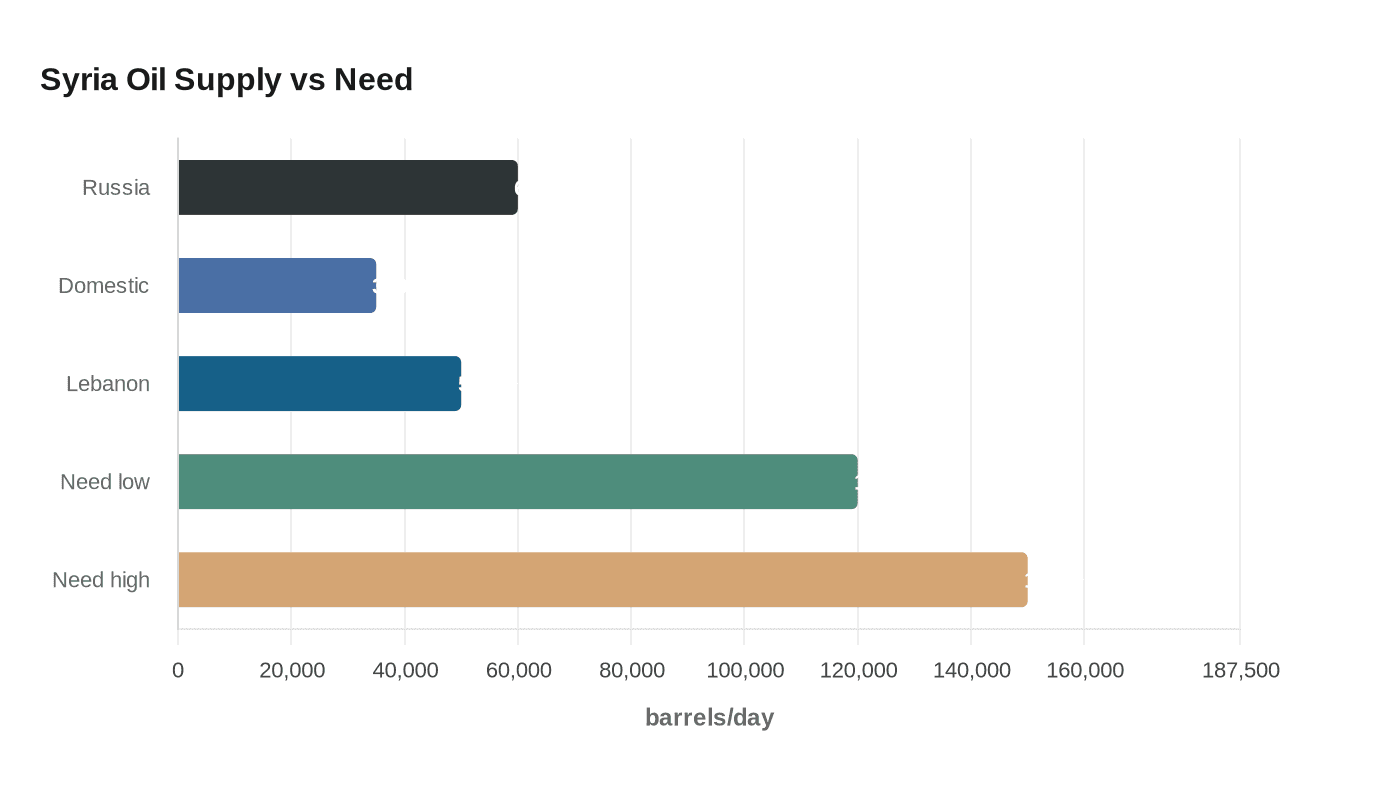
Russia has become Syria’s main oil supplier, a reminder that political realignment has outpaced the country’s ability to rebuild its energy system. Russian shipments rose 75% to about 60,000 barrels per day this year, a volume far below Moscow’s global exports but large enough to matter in Damascus, where fuel demand still far exceeds local output.
Syria’s daily oil and fuel needs are estimated at 120,000 to 150,000 barrels, according to the Syrian Petroleum Company and energy ministry officials. Domestic production has remained stuck at roughly 35,000 barrels a day in 2025, down from about 350,000 barrels before the war. Another 50,000 barrels a day have been smuggled in from neighboring Lebanon, underscoring how much of the market still depends on informal supply lines rather than a stable commercial system.
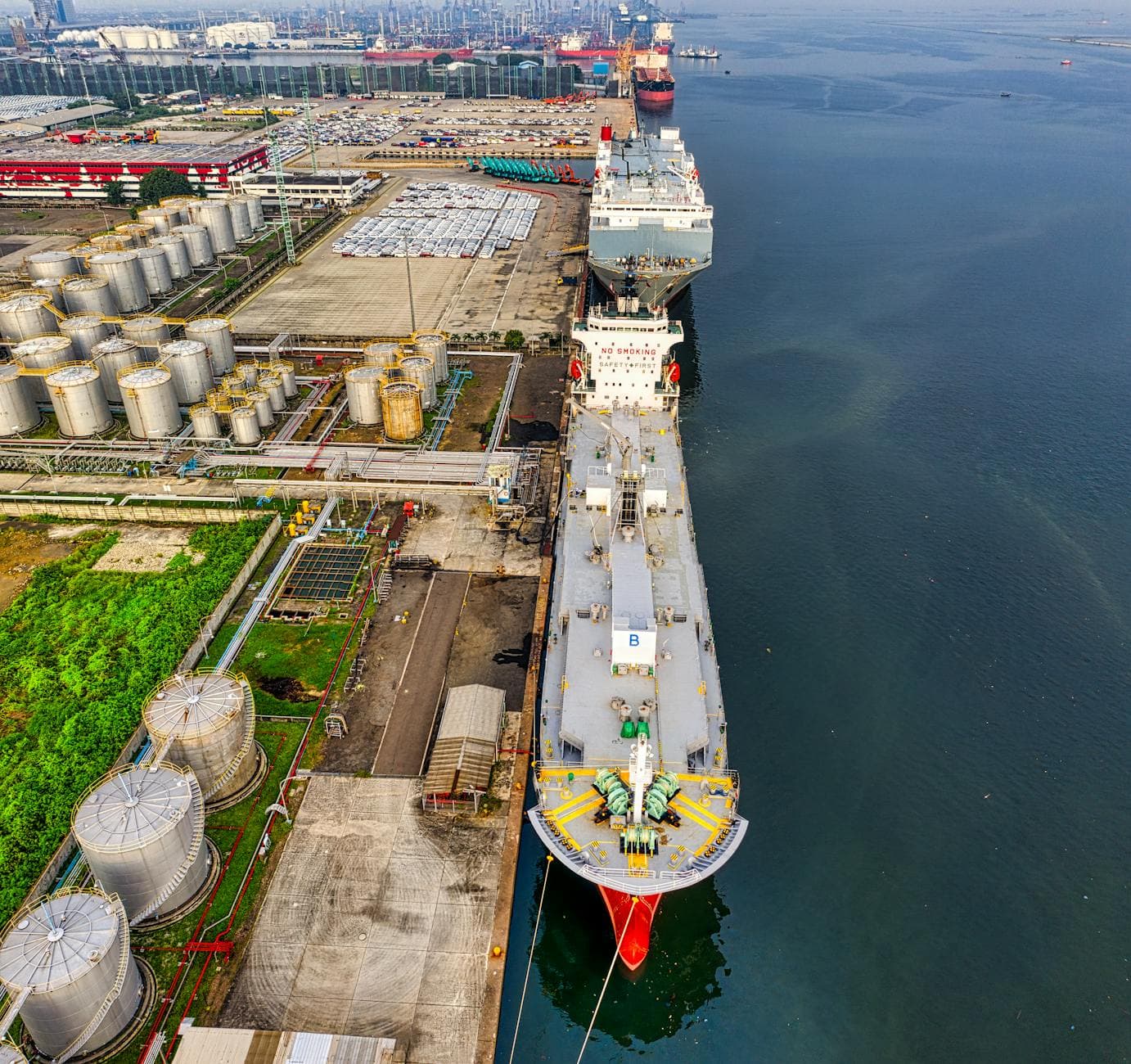
The new flow from Russia replaced Iran as the key outside supplier after Bashar al-Assad was ousted in December 2024. It also showed how limited Syria’s options remain even after Washington and Brussels eased sanctions. The United States issued Syria General License 25 on May 23, 2025, to permit transactions that had previously been prohibited, and the European Union lifted its remaining economic sanctions on May 28, 2025. Yet the lifting of restrictions has not translated into a quick fix for a fuel system battered by years of war, damaged infrastructure and a lack of creditworthy shipping partners.
Two analysts and three Syrian officials said the trade is driven by necessity as much as geopolitics. Russia still holds strategic leverage in Syria through its naval presence at Tartus and its air base at Khmeimim, even after Syria’s new authorities annulled the Tartus port investment agreement in January 2025. That military footprint gives Moscow influence in a country trying to rebuild ties with the West without fully severing the old one.
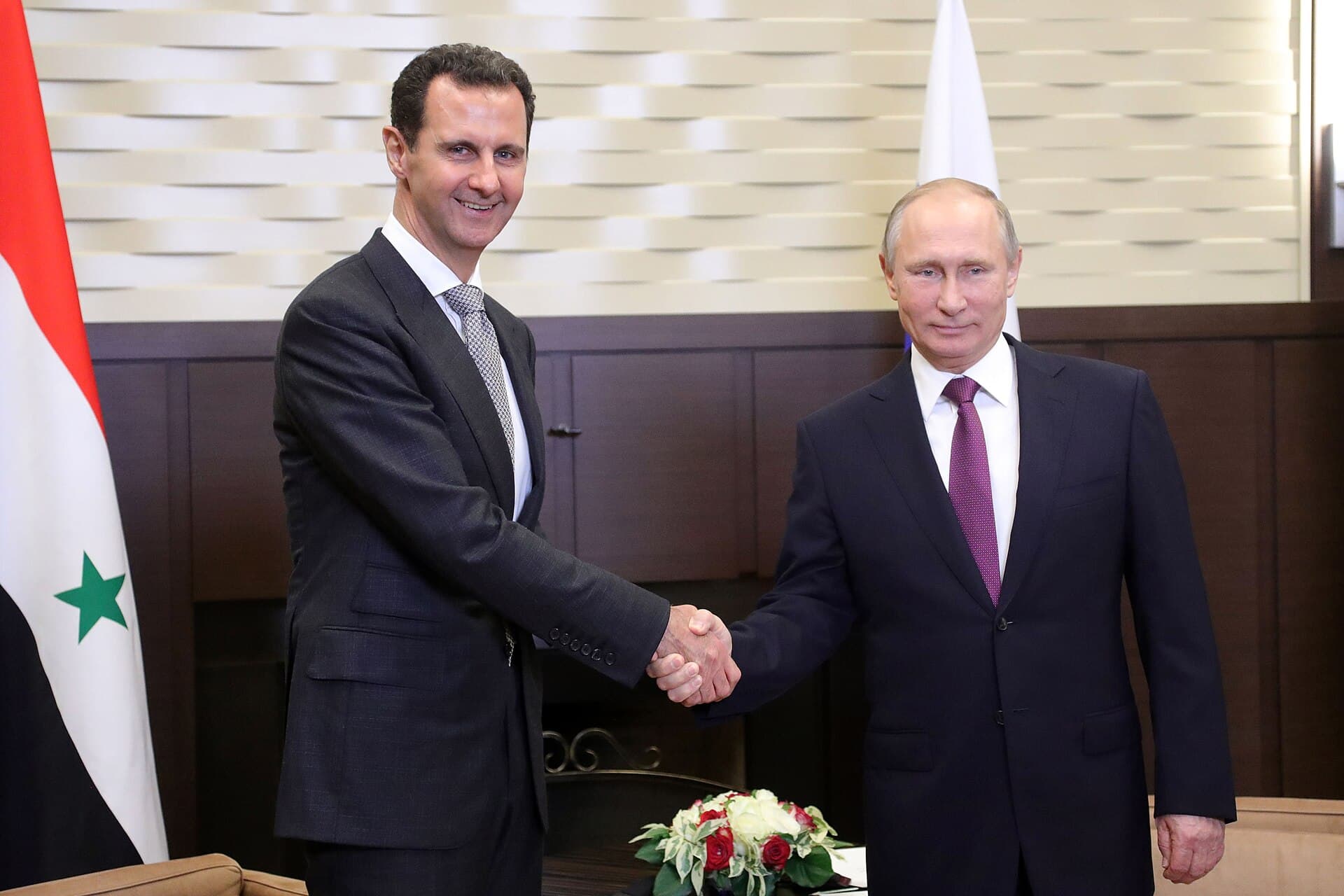
Karam Shaar, the Syrian economist, warned that the arrangement could leave the energy sector exposed if wider U.S.-Russia negotiations over Ukraine unravel. “It wouldn’t be a surprise if it told Syria overnight to stop buying these oil shipments,” Shaar said.
Damascus has said it wants to diversify suppliers, and an official at the state-run Syrian Petroleum Company said it has sought an oil deal with Türkiye, so far without success. In March 2025, the government said the first oil tanker in years had arrived after Assad’s fall, an early sign that the postwar supply chain was being rebuilt around Russian-linked shipping. SynMax, a maritime analytics firm, said sanctions risk, commercial caution and years of conflict have left conventional tanker operators wary, making Russia-linked networks some of the few workable channels left.
This article was produced by Prism’s automated news system from verified source data, official records, and press releases, then run through automated quality and moderation checks before publishing. The system is built and supervised by the people who set the standards it runs under. Read our full AI policy.
Did this article answer your question?