Lebanon food crisis worsens, 1.24 million face acute hunger
1.24 million people in Lebanon are projected to face acute hunger as fighting, displacement and supply shocks wipe out recent gains.
Lebanon’s food crisis has worsened sharply, with 1.24 million people now projected to face high levels of acute food insecurity between April and August 2026. The latest assessment shows how quickly a surge in hostilities and mass displacement in early March erased fragile progress and pushed households back into crisis.
The deterioration is broad, but the south is absorbing the hardest blow. Bent Jbeil, Marjaayoun, El Nabatieh and Sour are the most affected governorates, where 55% to 65% of the population is expected to face IPC Phase 3 or worse conditions and about 10% are already in IPC Phase 4, or Emergency. The scale of need has risen far beyond the previous projection, reversing the gains seen in the November 2025 to March 2026 period, when about 874,000 people were already in acute food insecurity.
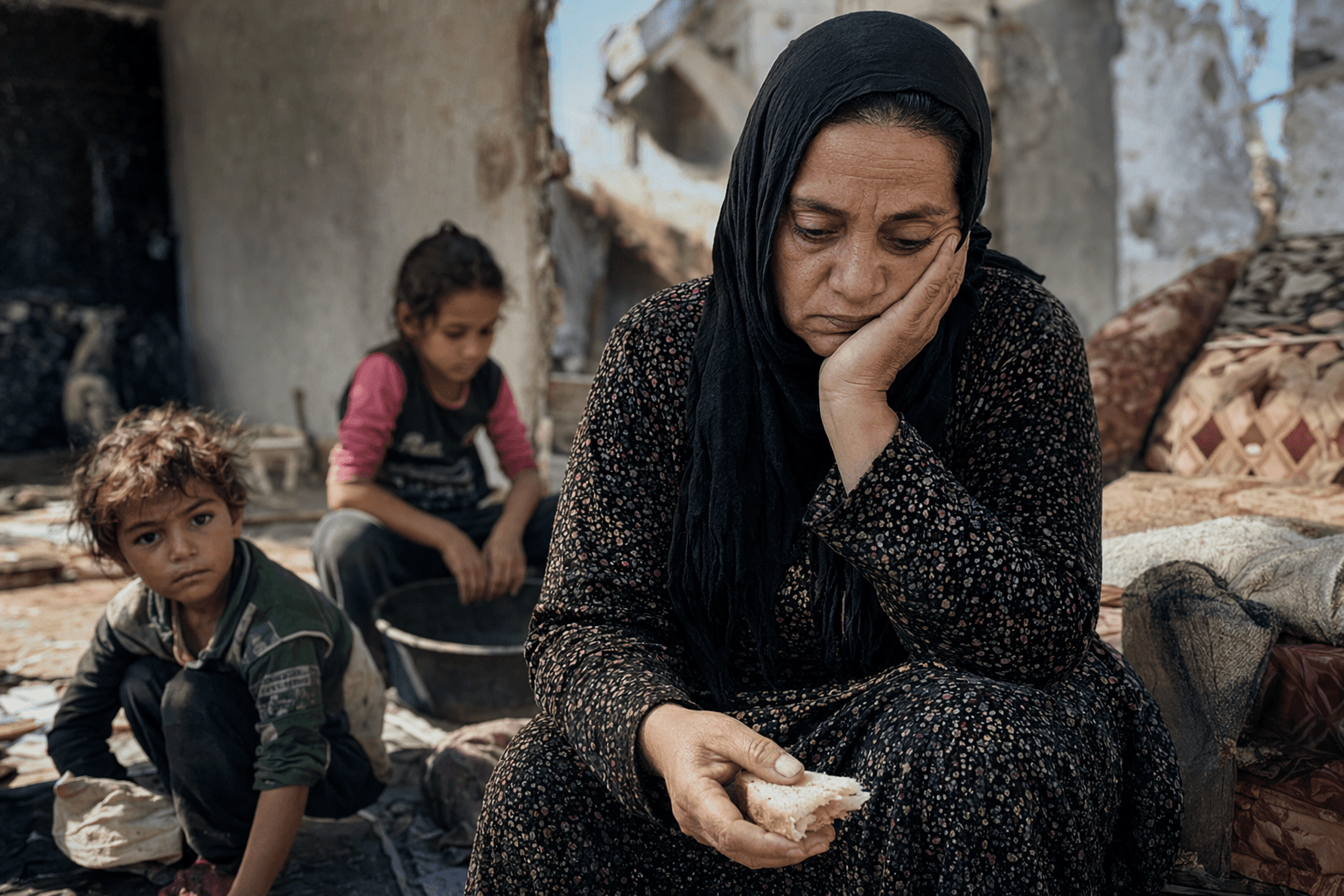
For families, that shift means harder decisions at the table. Acute food insecurity is not an abstract category. It means fewer meals, smaller portions, skipping meals altogether and relying on increasingly desperate coping strategies as prices rise and access to food becomes more erratic. In Lebanon, those pressures are now being driven by conflict, displacement and economic strain at the same time, leaving both Lebanese residents and Syrian refugees more exposed.

Humanitarian agencies say the crisis accelerated after repeated displacement orders sent people fleeing in multiple waves. UN agencies said the total number of internally displaced people exceeded 1.2 million when those outside formal sites were included. The Office of the High Commissioner for Human Rights said at least 1,029 people were killed, 2,786 injured and more than one million displaced in Lebanon during the first three weeks of the escalation that began on March 2. UNICEF said Israel issued displacement warnings for 53 villages in South Lebanon, Nabatieh and West Bekaa that same day.
The World Food Programme said Lebanon is shifting from a displacement emergency into a deepening food-security emergency, as rising costs and disrupted supply chains further restrict access to food. The agency said about 17% of the population, or around 874,000 people, were already in acute food insecurity before the latest escalation, and new assistance has been rushed to shelters and hard-hit areas.

Aid groups now warn that the response is straining under the scale of need. UNHCR’s emergency appeal for Lebanon seeks US$308.3 million to provide assistance and protection to up to 1 million people, while the 2026 Lebanon Response Plan says $1.62 billion is needed to support 1.5 million crisis-affected people. Without a major funding surge, the country’s hunger emergency is likely to deepen further, with the south still at the center of a worsening national collapse.
This article was produced by Prism’s automated news system from verified source data, official records, and press releases, then run through automated quality and moderation checks before publishing. The system is built and supervised by the people who set the standards it runs under. Read our full AI policy.
Did this article answer your question?