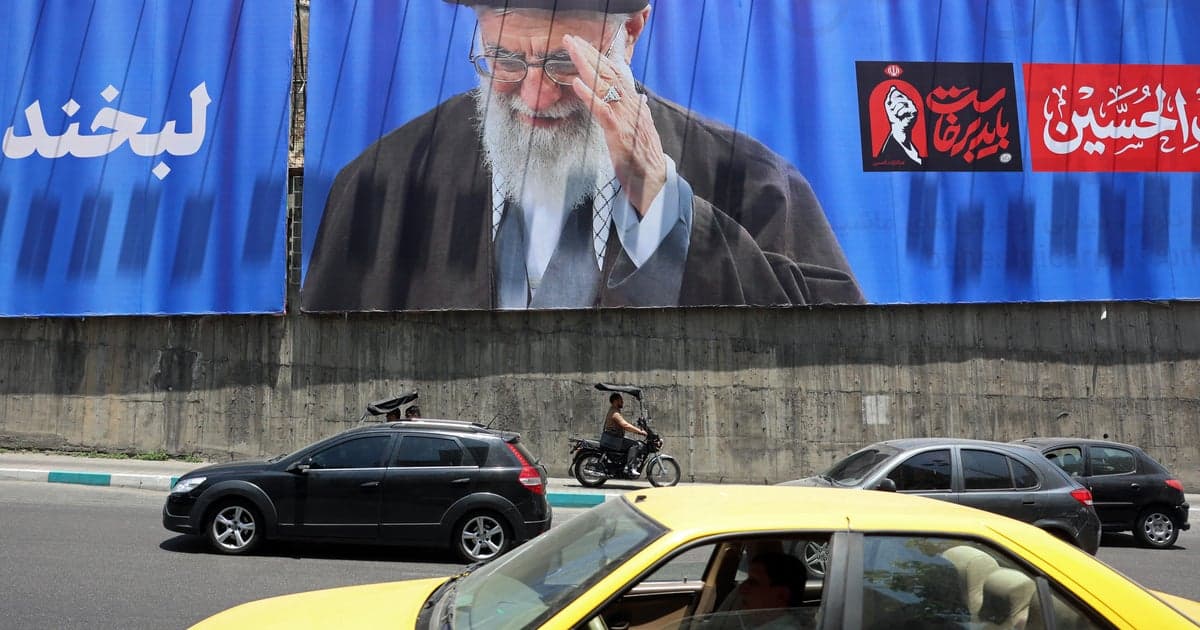
Iran Strikes Back Across Region Following Waves of Enemy Airstrikes
Iran fired on targets across the Middle East on Saturday as the five-week war entered a dangerous new phase, with a projectile striking near the Bushehr nuclear plant and killing one worker.

A projectile struck an auxiliary building on the perimeter of Iran's Bushehr nuclear power plant early Saturday, killing one worker and prompting the International Atomic Energy Agency to issue an urgent warning, as Iran simultaneously launched waves of missiles and drones across the Middle East in retaliation for intensifying U.S. and Israeli airstrikes.
The IAEA said Director General Rafael Grossi expressed "deep concern about the reported incident," adding that "nuclear sites or nearby areas must never be attacked" and calling for "maximum military restraint to avoid risk of a nuclear accident." Iran's Atomic Energy Organization confirmed an auxiliary building was damaged but said the main sections of the power plant were unaffected. Iranian Foreign Minister Abbas Araghchi used sharper language on social media, warning that "radioactive fallout will end life in GCC capitals, not Tehran," and stating that Bushehr had now been struck four times since the war began February 28.
That same day, U.S. and Israeli aircraft struck the Mahshahr Special Petrochemical Zone in Khuzestan province, one of Iran's most critical industrial sites. The strikes on Iranian infrastructure were matched blow for blow: Iran's retaliatory salvos hit Kuwait's Mina Al-Ahmadi oil refinery and a desalination plant, setting refinery units ablaze and causing what Kuwait described as "material damage" to water infrastructure. In the UAE, air defenses engaged 23 ballistic missiles and 56 drones fired from Iran on April 4 alone. Debris from an interception fell onto the facade of the Oracle office building in Dubai Internet City, though the Dubai Media Office said no one was injured.
The war, now in its fifth week, began February 28 when the United States launched Operation Epic Fury and Israel simultaneously struck Iranian targets, killing Supreme Leader Ayatollah Ali Khamenei in a strike on his Tehran compound. Since then, Iran has fired a cumulative total of more than 438 ballistic missiles, over 2,000 drones, and 19 cruise missiles at UAE targets alone, according to the UAE Ministry of Defense. The conflict has killed at least 12 people in the UAE, including 3 military personnel, and injured 190 others.
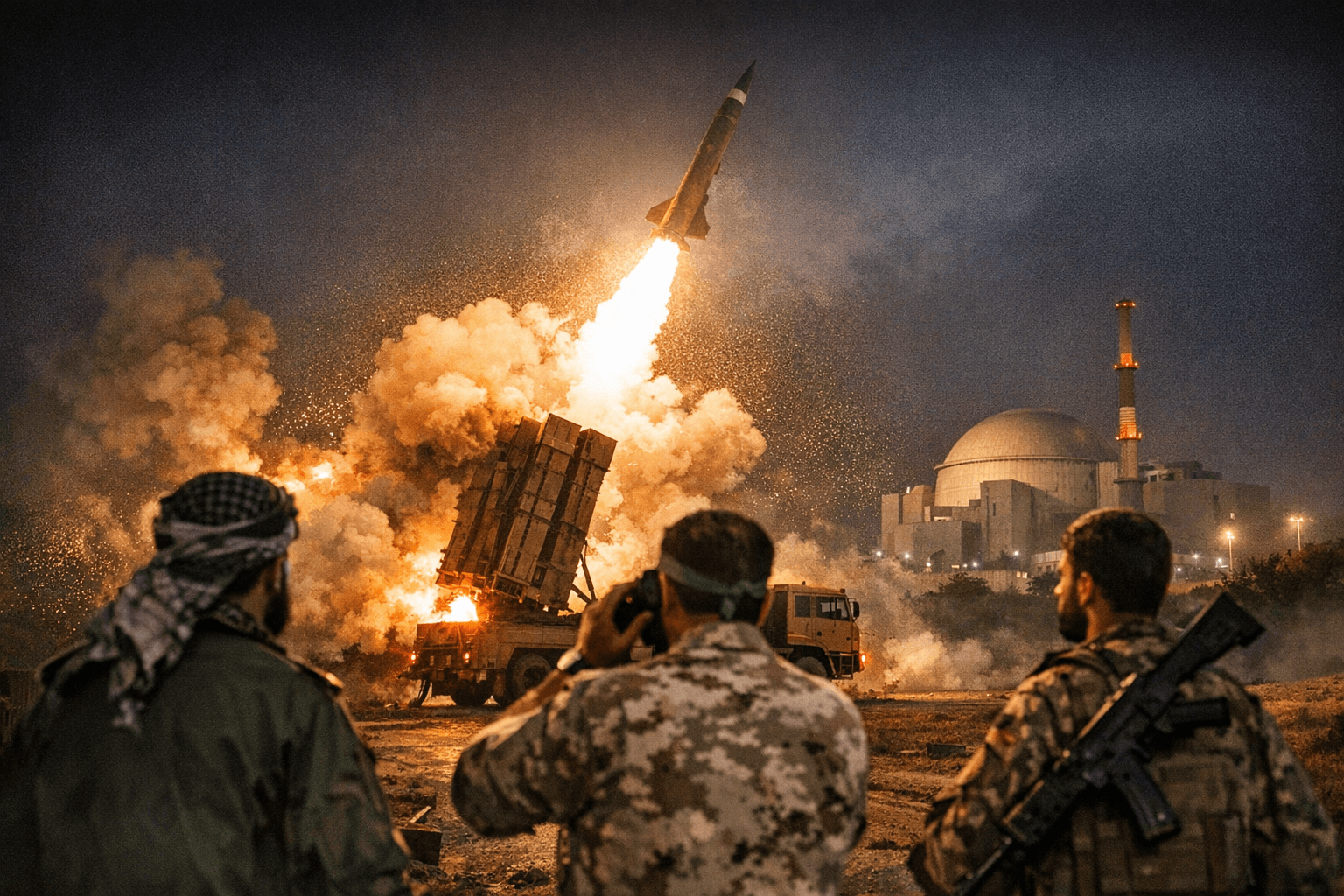
Saturday also saw dramatic escalation in the air war over Iran itself. Two U.S. aircraft were downed in rapid succession: an F-15 was shot down over southwest Iran, with the search for its weapons systems officer still ongoing, and a U.S. A-10 went down after Iranian fire sent it limping into Kuwaiti airspace, where the pilot ejected safely. Iranian forces then struck two UH-60 Black Hawk helicopters involved in the search and rescue operation, injuring several service members. The cascade of aircraft losses came less than 48 hours after President Trump declared in a prime-time address that Iran had been "completely decimated."
Trump answered Saturday by posting a 48-hour ultimatum on Truth Social, warning Iran to reopen the Strait of Hormuz or face catastrophic consequences. "Time is running out," he wrote, "48 hours before all Hell will reign down on them." Iran described U.S. negotiating proposals as "unrealistic, illogical and excessive" and threatened to close the strait entirely if power plants were struck. Traffic through the passage, which once averaged 150 vessels per day, had already fallen to between 10 and 20 ships daily, with roughly 150 freight vessels stalled and waiting at its mouth.
With diplomatic channels delivering no breakthrough and IAEA warnings going unheeded by all sides, the strikes near Bushehr raised the specter of a nuclear incident that experts warn could reshape the region's geography of danger far beyond the battlefield.
This article was produced by Prism’s automated news system from verified source data, official records, and press releases, then run through automated quality and moderation checks before publishing. The system is built and supervised by the people who set the standards it runs under. Read our full AI policy.
Did this article answer your question?