Iran to convey response to U.S. proposal through Pakistan, officials say
Tehran said it will send its reply through Pakistan as it continues reviewing a U.S. proposal that leaves the nuclear dispute unresolved.
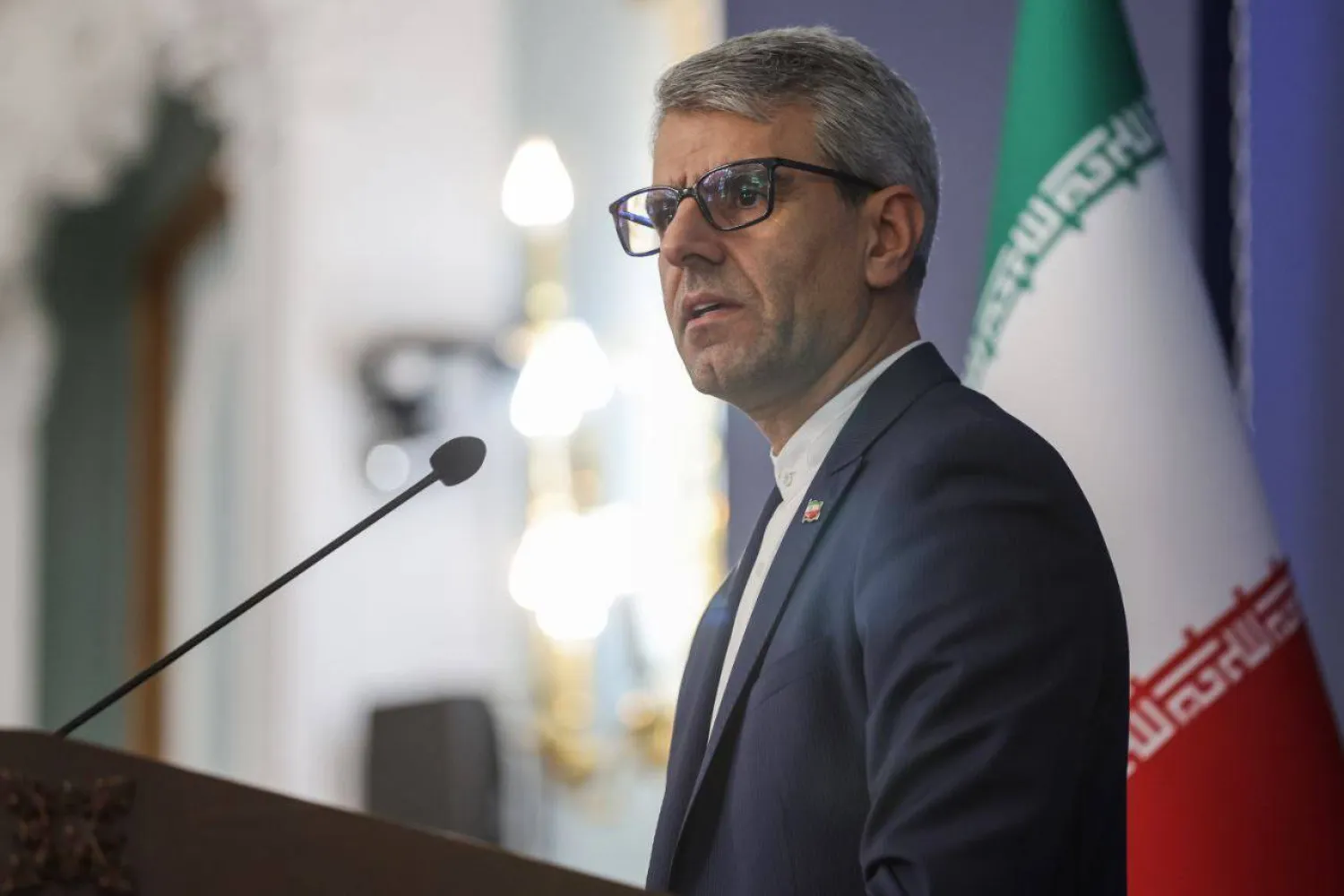
Iran said it had not reached a final decision on the U.S. proposal and would send its response through Pakistan after internal assessments were completed, keeping Islamabad at the center of the narrow diplomatic channel between Tehran and Washington. Esmaeil Baghaei, the Iranian Foreign Ministry spokesman, said the proposal remained under review and that Iran would communicate its conclusions to the Pakistani mediator once that process ended.
The move followed a sharper Iranian public reaction earlier in the week, when another senior official dismissed the reported offer as little more than a list of American wishes. That skepticism underscored how fragile the talks remain, even as officials on both sides are trying to avoid a wider confrontation. Iranian officials have said recent discussions with Pakistani counterparts focused on Iran’s own 14-point framework, which Tehran transmitted to Washington through Pakistan.
The emerging understanding is being described as a temporary memorandum rather than a full peace deal, leaving the most politically difficult issues for later negotiations. The draft framework is said to move in three stages: formally ending the war, resolving the Strait of Hormuz crisis and then opening a 30-day window for broader talks. The most contentious questions, including Iran’s nuclear program, sanctions relief and the fate of highly enriched uranium, remain unsettled.
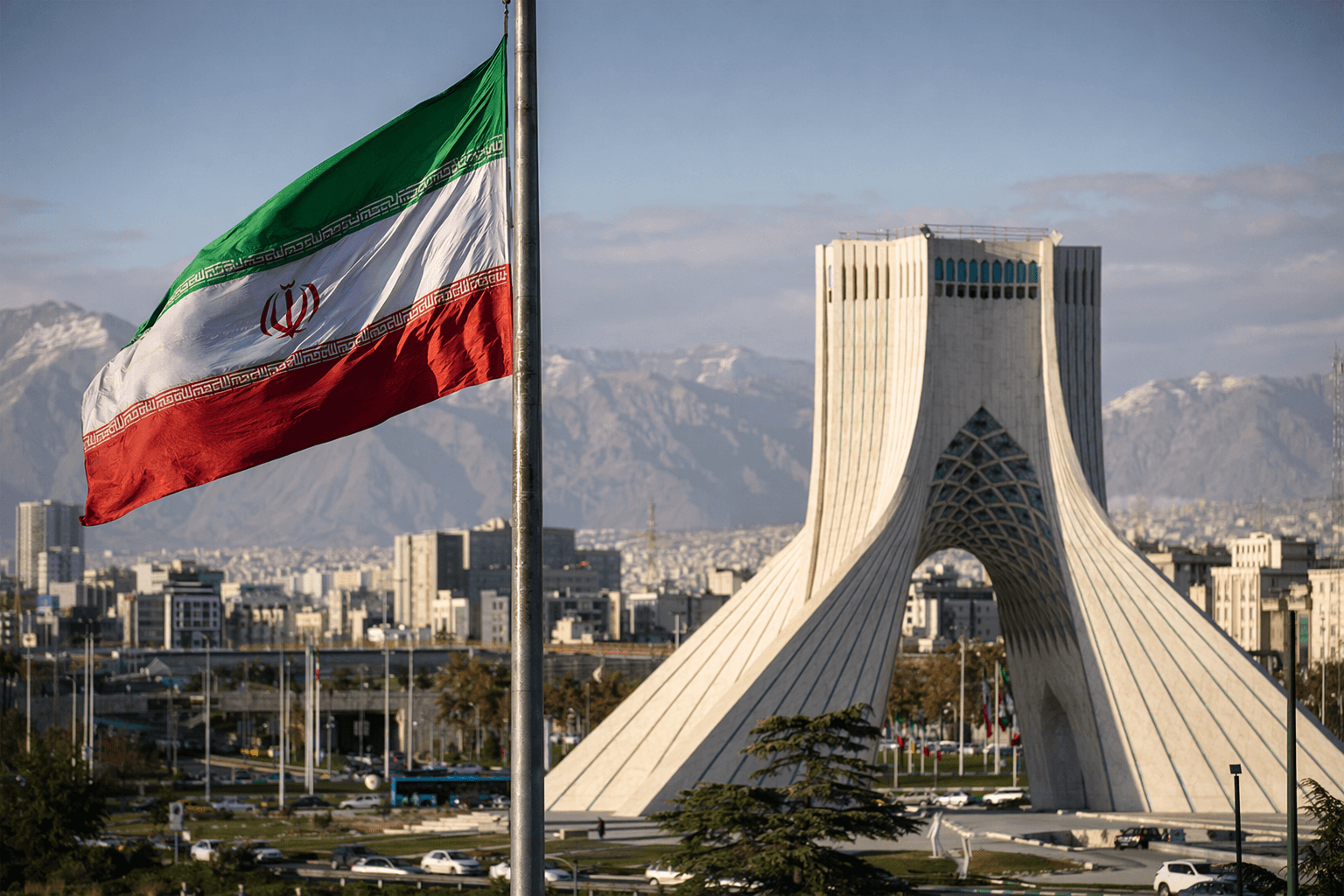
Reported elements of the package include lifting some sanctions, releasing frozen Iranian assets and imposing limits on Iran’s nuclear activity. The Strait of Hormuz matters because any change in the security of that chokepoint would immediately affect Gulf shipping and global energy flows. Markets have already reacted to the prospect of a deal, with oil prices falling sharply when reports of a possible agreement emerged.
President Donald Trump said the war could end if Iran accepted what had already been agreed to, but he also warned that if Tehran refused, bombing would resume at a much higher level and intensity. That warning sharpened the stakes of the negotiations and left little room for ambiguity over the consequences of a collapse.
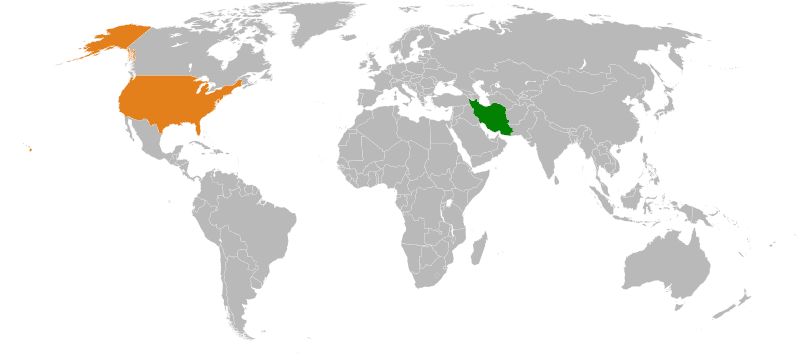
Pakistani officials have remained central to the mediation effort. One senior Pakistani official said the priority was securing a permanent end to the war before other issues were worked out in direct talks. For now, that leaves Pakistan carrying the message between adversaries, while Iran weighs whether the U.S. proposal is a basis for de-escalation or simply another demand list dressed as diplomacy.
Know something we missed? Have a correction or additional information?
Submit a Tip