Iranian, U.S. officials head to Islamabad as Pakistan mediates talks
Washington and Tehran moved envoys through Islamabad while denying direct talks, with Pakistan again acting as the bridge after a failed 21-hour round.
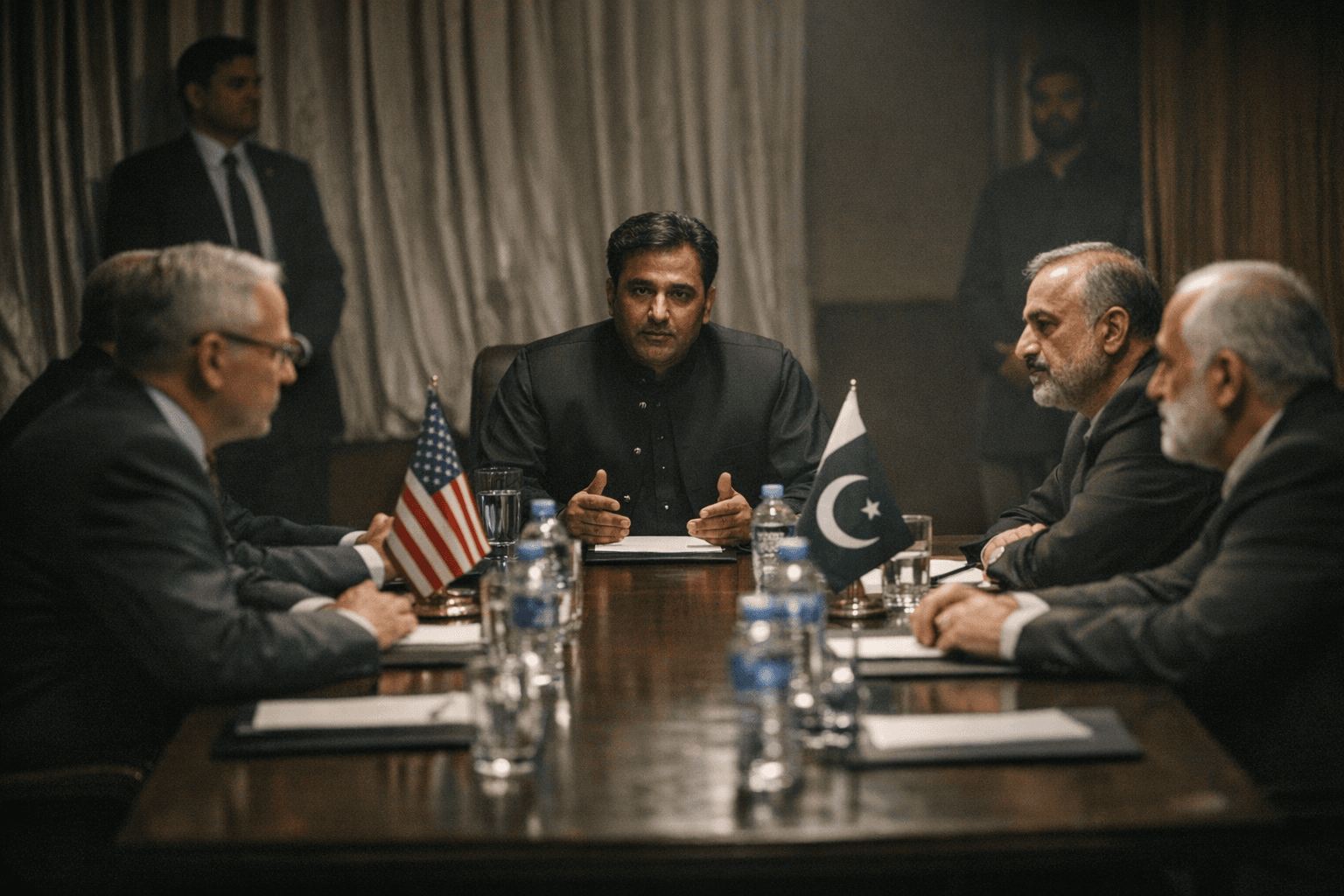
Iranian and U.S. officials were once again moving through Islamabad under two different public scripts: one side said no direct meeting was planned, while the other said Pakistan would mediate fresh talks. The split messaging showed how much of this diplomacy is being conducted by indirection, with each capital trying to preserve leverage, avoid humiliation and keep a fragile channel alive.
Iranian Foreign Minister Abbas Araghchi arrived in Islamabad on Friday and met Pakistan’s Army Chief, Field Marshal Syed Asim Munir. Araghchi said he was traveling to Islamabad, Muscat and Moscow to coordinate with partners on bilateral matters and regional developments. At the same time, Iranian Foreign Ministry spokesperson Esmaeil Baqaei said no meeting was planned to take place between Iran and the U.S. in Pakistan, and that Iran’s views would be conveyed to Pakistan.
The White House took the opposite tone. It said Steve Witkoff and Jared Kushner would travel to Islamabad on Saturday morning for talks mediated by Pakistan. Press secretary Karoline Leavitt said the Iranians had reached out first for an in-person conversation. President Donald Trump later said Iran was "making an offer," though he did not say what that offer was. The language from Washington suggested movement; Tehran’s denial suggested caution. Put together, the statements pointed to a channel that was active but still politically sensitive.
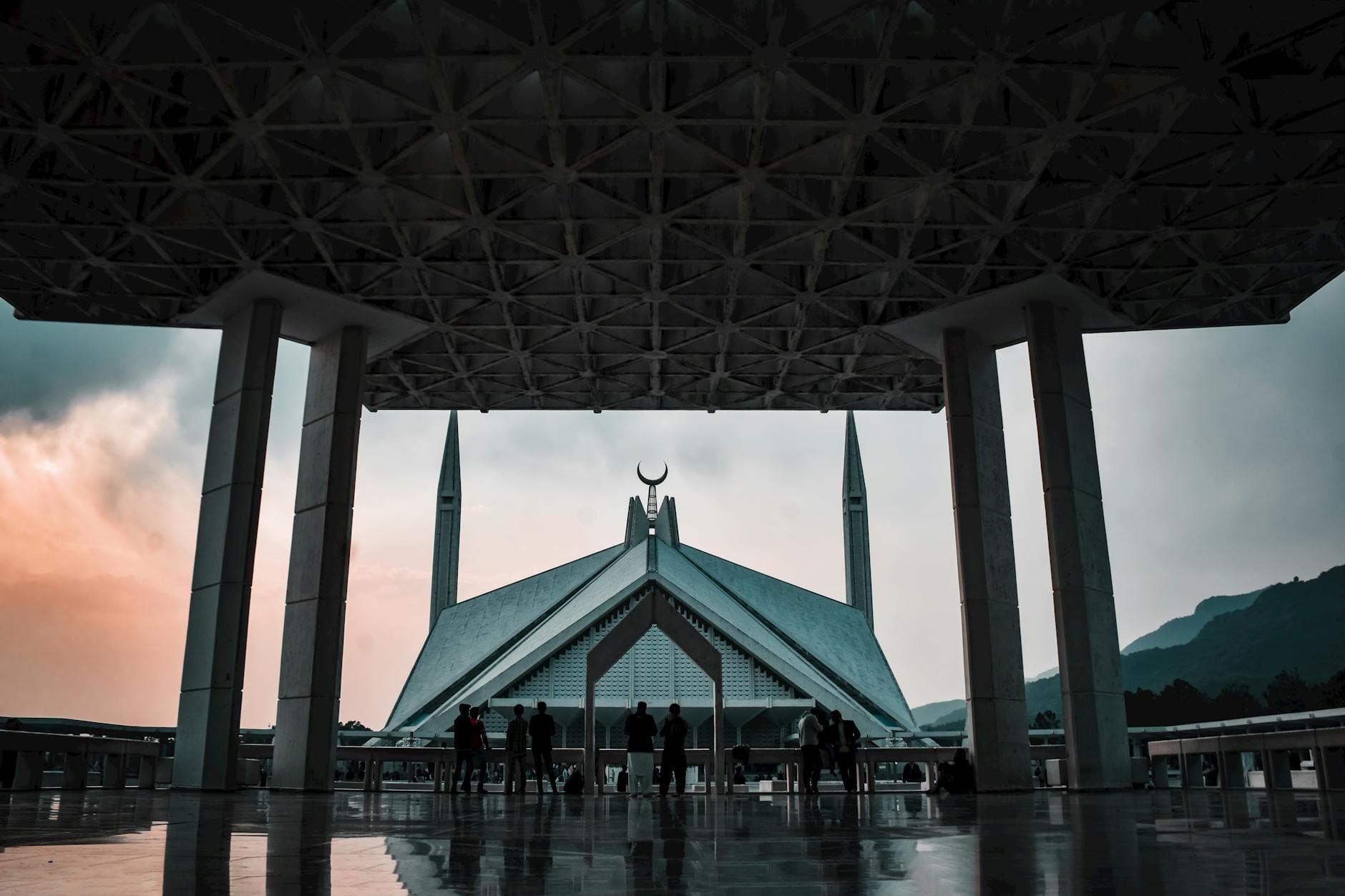
Pakistan’s role matters because it gives both sides a way to talk without publicly conceding direct contact. Islamabad has been working to preserve the ceasefire process after earlier talks in the city on April 11 and 12 ran for about 21 hours and ended without agreement. Those discussions were described as the first direct U.S.-Iranian meeting in more than a decade and the highest-level talks since the 1979 Islamic Revolution. They focused on Iran’s nuclear program, sanctions relief, frozen Iranian assets and control of the Strait of Hormuz, then ended with both sides blaming the other.
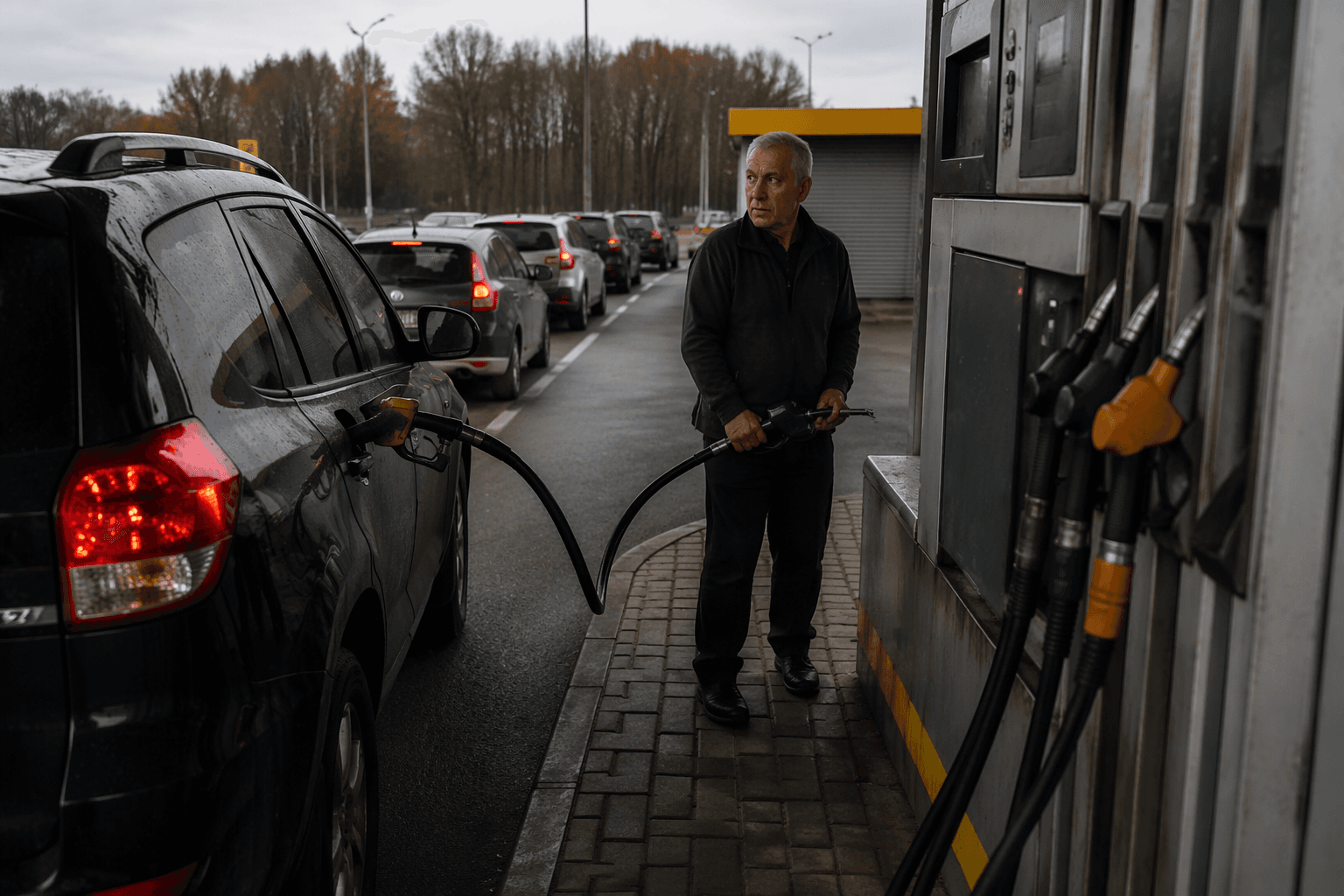
The diplomacy is unfolding against a fragile two-week ceasefire after weeks of fighting that killed thousands, jolted global markets and sent oil prices soaring. Pakistan’s Foreign Minister Ishaq Dar said it was "imperative" to preserve the ceasefire and keep the peace track alive. For Islamabad, the mediator role is now more than procedural; it is the narrow space where de-escalation, face-saving and deadlock are all being tested at once.
This article was produced by Prism’s automated news system from verified source data, official records, and press releases, then run through automated quality and moderation checks before publishing. The system is built and supervised by the people who set the standards it runs under. Read our full AI policy.
Did this article answer your question?