Iranians Caught Between Hope and Despair as Bombings and Threats Escalate
US forces struck Iran's Kharg Island oil hub on day 39 of war, even as 34 were killed in recent strikes and Iranians navigate a wrenching divide between defiance and despair.

Thirty-nine days into a war launched by the United States and Israel on February 28, when surprise airstrikes killed Supreme Leader Ali Khamenei and inflicted more than a hundred civilian casualties, Iranians find themselves suspended between grief, defiance, and a darkening uncertainty about what peace, if it comes, will actually bring.
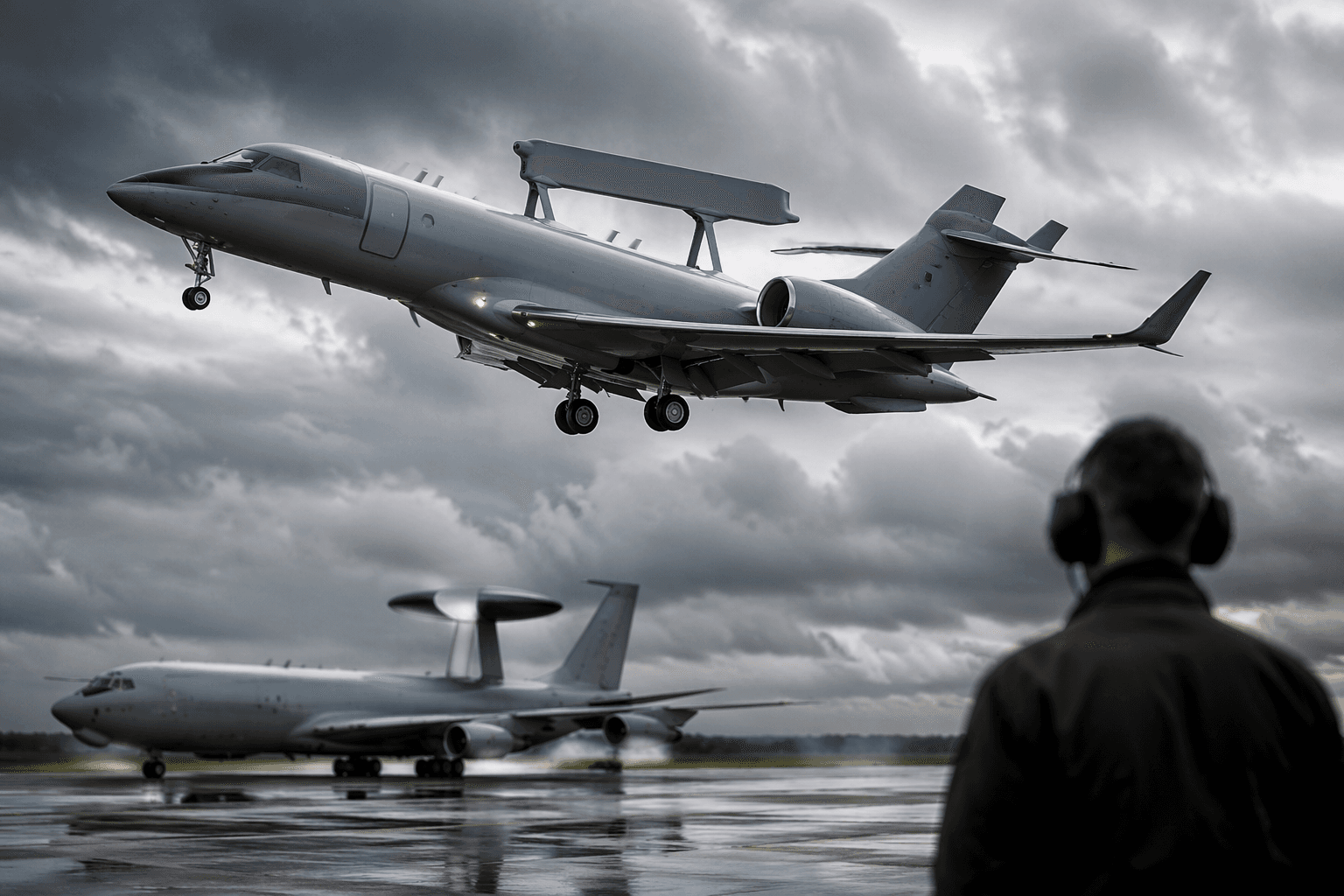
The most recent strikes have been among the war's most disruptive. On April 6, at least 34 people including six children were killed in US-Israeli attacks that struck Sharif University of Technology, widely regarded as Iran's preeminent science and engineering institution, along with residential areas and three Tehran-area airports. The following day, US forces hit military targets on Kharg Island, the hub through which virtually all of Iran's crude oil is exported. Israel separately struck the country's largest petrochemical complex and claimed that 85 percent of Iran's petrochemical export capacity had been taken offline since the war began.
Inside Sharif's damaged campus, a mathematics professor held an online class from within a bombed building, a gesture of continuity that spread widely. Placards placed by authorities nearby read, "Trump's help has arrived," a pointed reference to claims by President Donald Trump and Israeli Prime Minister Benjamin Netanyahu that the strikes are meant to help Iranians overthrow the Islamic Republic, not punish them.
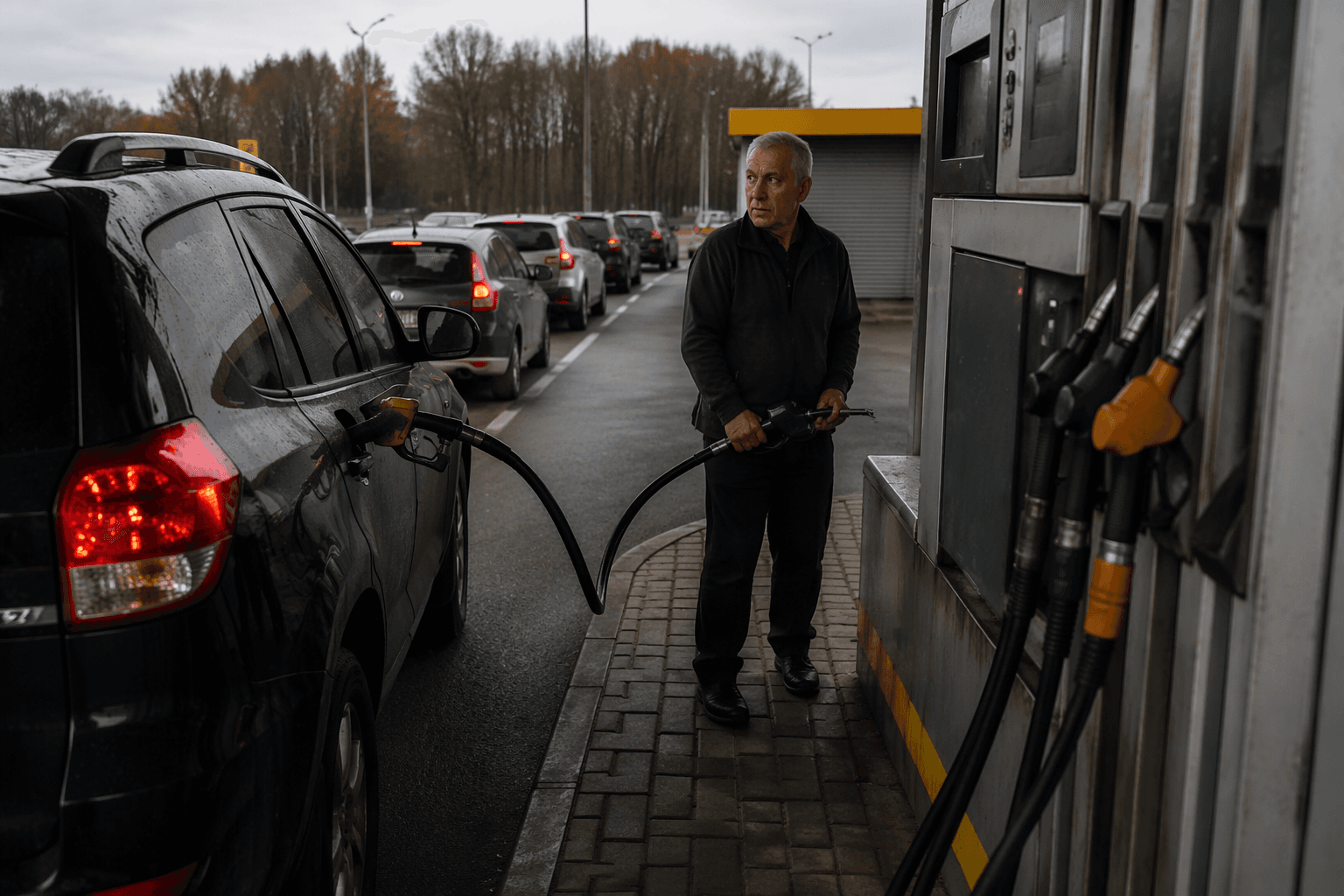
For many civilians, that framing rings hollow. One Iranian, speaking to journalists in recent weeks about the prospect of the country's energy infrastructure being targeted, described it as "truly terrifying because it's connected to people's daily lives," noting that reconstruction costs would fall on a population already crushed by inflation exceeding 40 percent in 2025. "I've really lost all hope," the person said. The war arrived on top of an economy already in freefall: the rial had plummeted, shortages were widespread, and protests had swept more than 200 cities in early 2026 before the bombs ever fell.
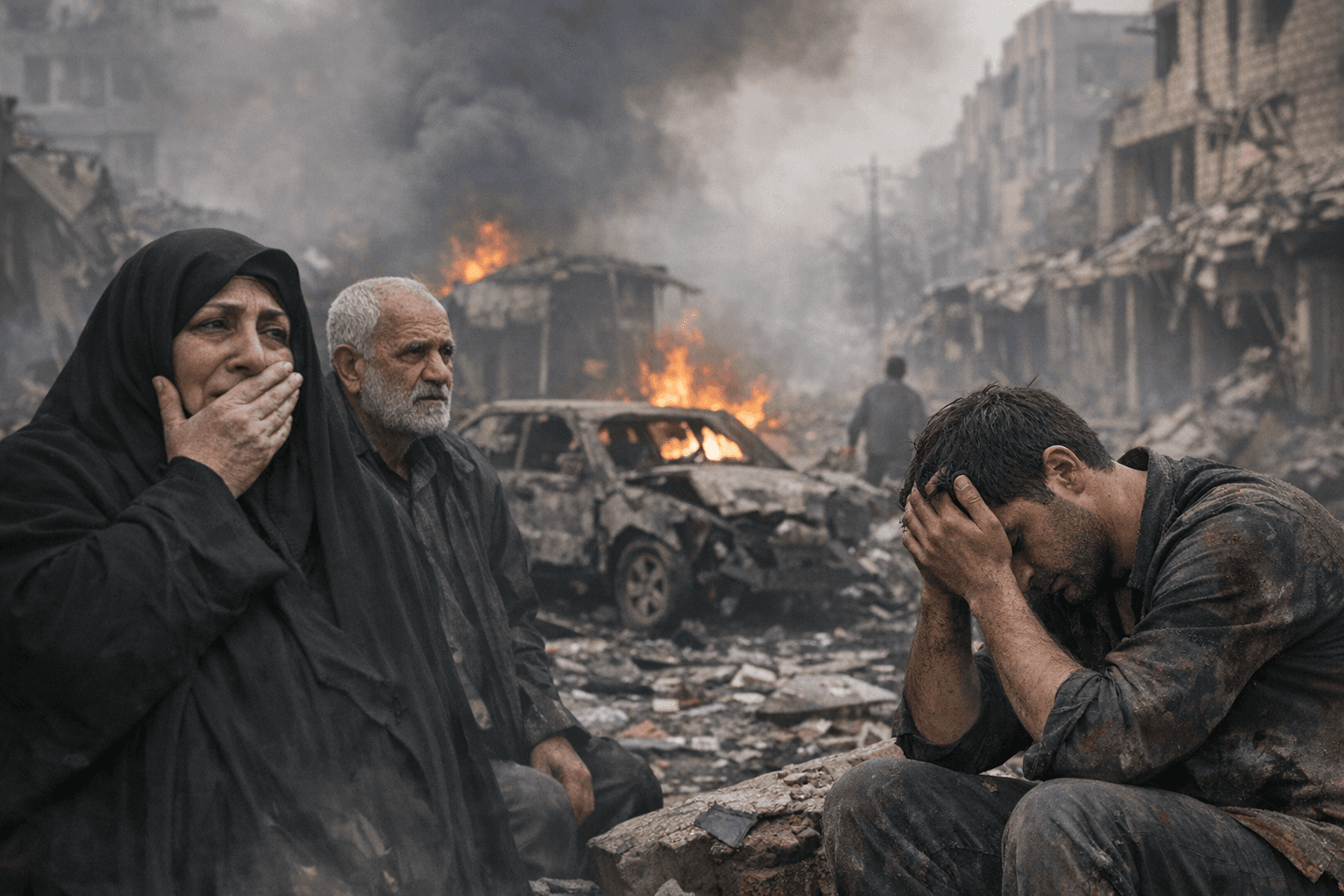
Not everyone has arrived at despair. Near the Turkish border in Zanjan, retired soldier Mohamoud Maasoumi pointed to historical grievances stretching back to a 1953 CIA-backed coup. "The enemy sees that we are not ever succumbing," he said.
The gap between those two responses reflects the deeper uncertainty shadowing ceasefire talks. Iran rejected a proposed 45-day pause and has called for a permanent end to the war, while the United States is demanding Iran reopen the Strait of Hormuz, halt all nuclear enrichment, and cut support for proxy groups. Pakistan's prime minister, acting as the primary mediator, requested a two-week extension after Trump warned, ahead of his own deadline, that "a whole civilization will die tonight." An Iranian government spokesperson dismissed the threat as "a sign of ignorance."
With Kharg Island now under fire and diplomacy deadlocked, the question that haunts most Iranians is not only whether the war can end, but what the country on the other side of it will look like.
This article was produced by Prism’s automated news system from verified source data, official records, and press releases, then run through automated quality and moderation checks before publishing. The system is built and supervised by the people who set the standards it runs under. Read our full AI policy.
Did this article answer your question?