Iran’s World Cup draw with New Zealand exposes deep diaspora divide
Iran’s 2-2 draw with New Zealand in Inglewood became a political arena, as rival flags and protests exposed a diaspora split that football could not smooth over.
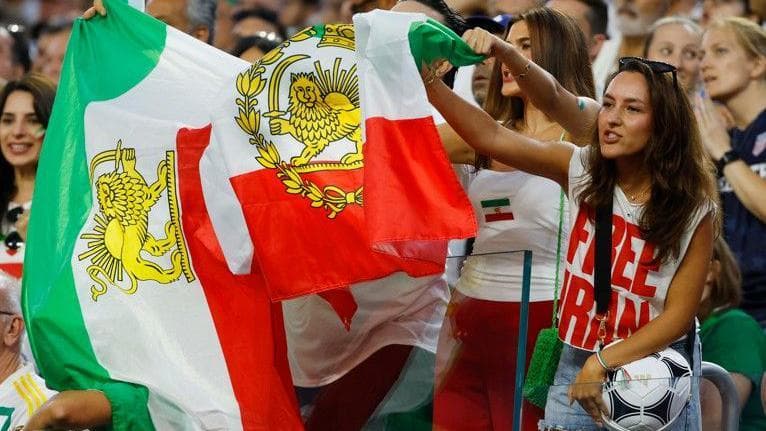
At SoFi Stadium in Inglewood, the Iran-New Zealand match became less a sporting fixture than a public test of identity. Iran twice fought back to earn a 2-2 draw on June 15, 2026, but the louder contest played out in the stands and outside the gates, where Iranian exiles turned the World Cup into a stage for anger over Tehran’s rule.
Ramin Rezaeian and Mohammad Mohebbi scored Iran’s goals as the national team rescued a point in a difficult opener. Yet the match carried the weight of politics before kickoff, with Iran’s participation clouded by the U.S.-Iran war and by visa disputes that had made the team’s place in the tournament uncertain. The setting sharpened the symbolism: Los Angeles is home to the largest Iranian community outside Iran, and the local diaspora arrived split over whether to back Team Melli or reject it as an extension of the Islamic Republic.
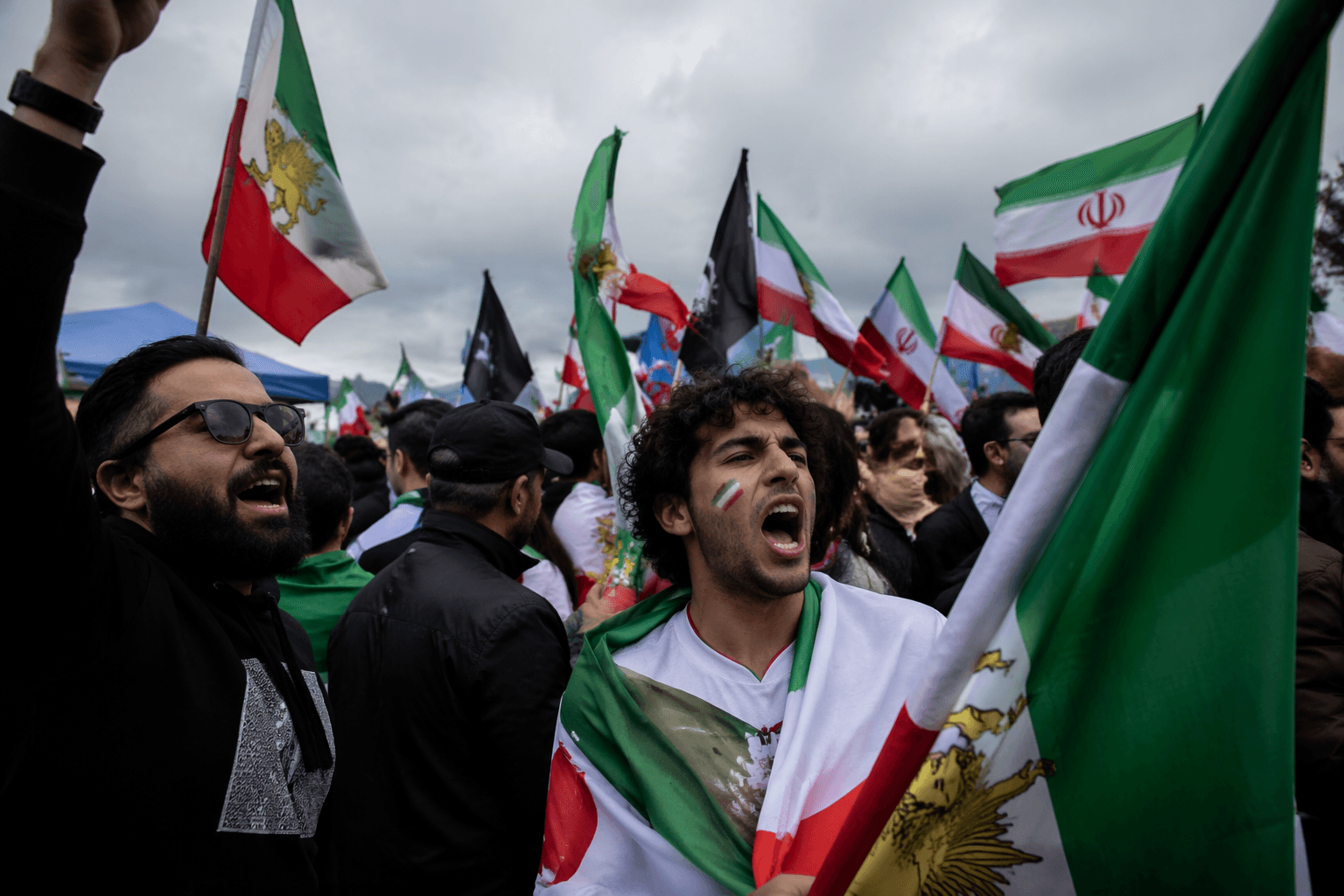
That divide was visible in the parking lots and in the seats. Protesters outside the stadium called for an end to the clerical regime in Tehran, while fans inside displayed both the official Islamic Republic flag and the pre-revolutionary Lion and Sun flag. FIFA had banned the Lion and Sun emblem at stadiums as a political symbol, and security guards were told to scrutinize any flag they saw. Even before the first whistle, the crowd had become a referendum on whether the national team could still represent a nation fractured by revolution, repression and exile.
The Los Angeles area, often called Tehrangeles by Iranians who have built a dense community there, has long been a place where political loyalties split across generations and class lines. Some supporters treated the draw as proof of resilience and a reason to celebrate the players on the field. Others said the team remained tied to the government in Tehran, and that cheering for it risked laundering the regime’s image through sport. The stadium amplified both positions at once, with chants, banners and confrontations replacing the usual patriotic unity World Cup organizers hope to project.

The scene recalled Qatar in 2022, when protesters outside Iran’s opener against England chanted for Mahsa Amini, whose death in custody on September 16, 2022, ignited nationwide protests inside Iran. Two tournaments later, the same fault lines were still on display, only louder and closer together. Iran’s draw with New Zealand preserved its tournament hopes, but the deeper story was plain: for many Iranians, the national team no longer covers over the country’s political fracture.
This article was produced by Prism’s automated news system from verified source data, official records, and press releases, then run through automated quality and moderation checks before publishing. The system is built and supervised by the people who set the standards it runs under. Read our full AI policy.
Know something we missed? Have a correction or additional information?
Submit a Tip