New Israeli-Palestinian party joins crowded race before 2026 election
A Place For Us All is betting cross-community activism can win seats in a 120-member Knesset packed with at least 11 new parties before late October 2026.
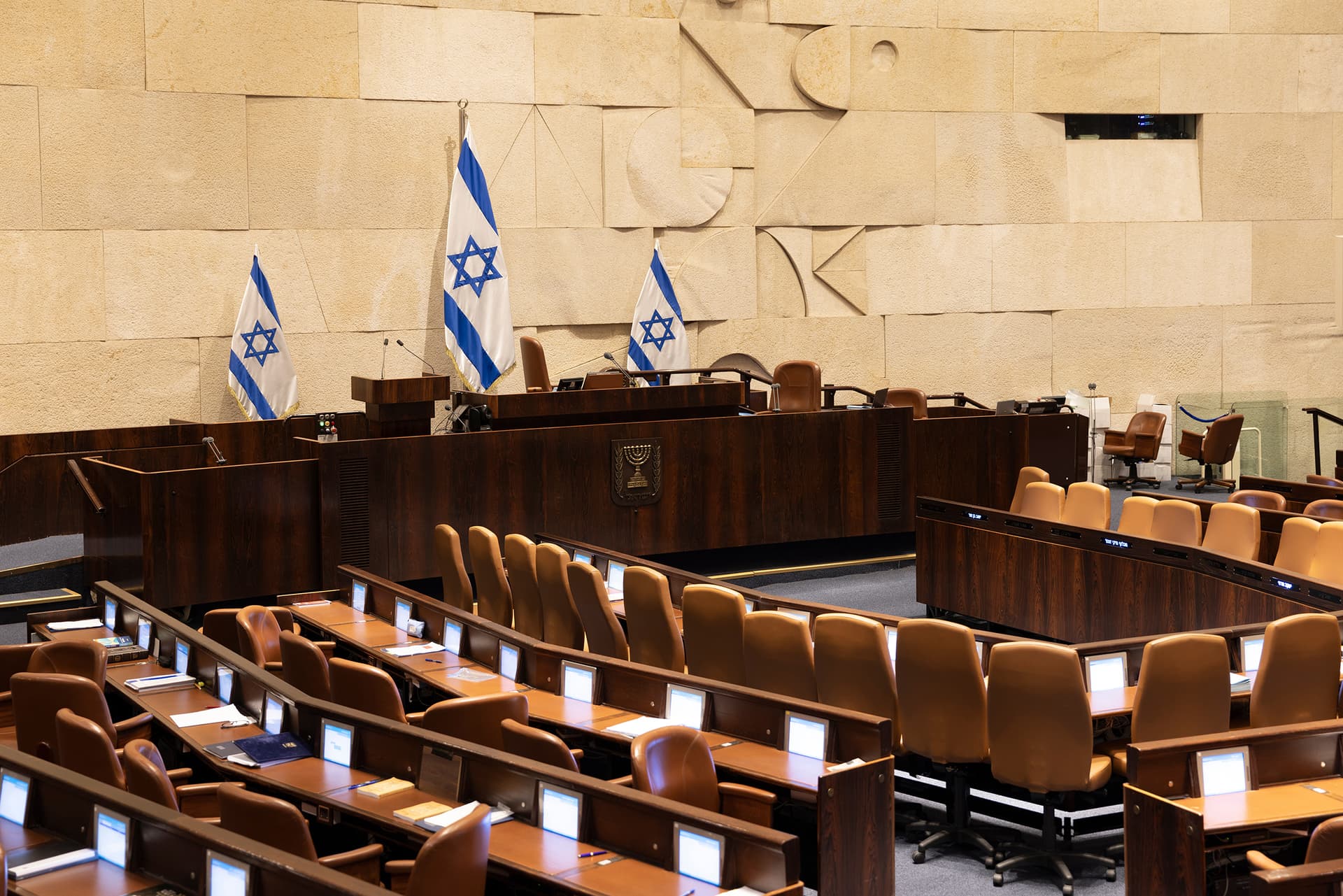
A Place For Us All is entering Israel’s next election as more than a protest banner, but its first test is whether joint Israeli-Palestinian organizing can survive the logic of a 120-seat Knesset. The party comes into a race scheduled for late October 2026 that is already crowded, with at least 11 new political parties registered by late October 2025 and the vote widely viewed as a referendum on Benjamin Netanyahu after the October 7, 2023 Hamas-led attack and the war in Gaza.
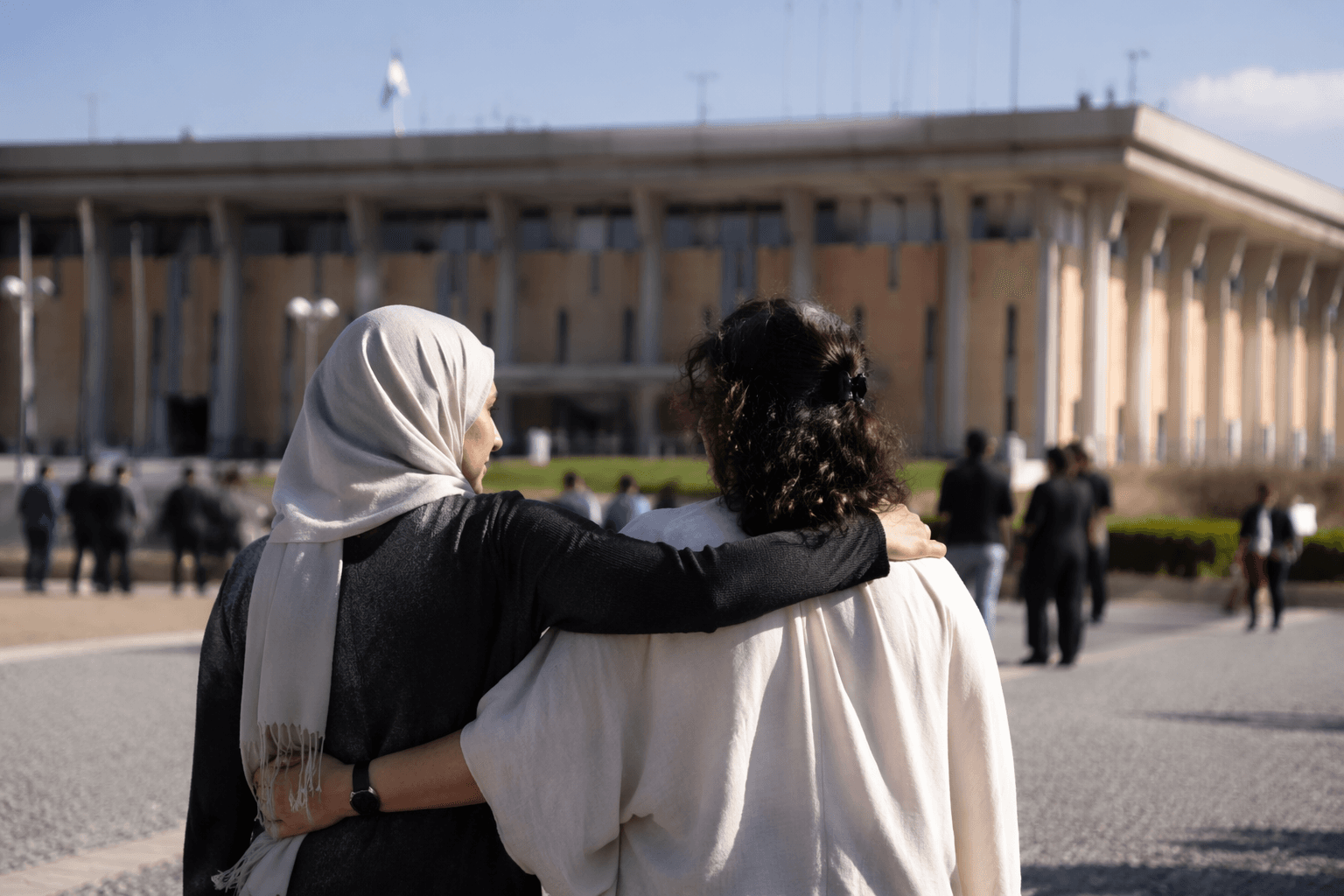
That makes the new party’s premise unusually ambitious. It was born out of joint activism and organizing rooted in the daily realities on the ground, not in grand national slogans, and it is trying to turn that cooperative model into electoral politics at a moment when Israel’s system rewards fragmentation as much as it punishes it. Netanyahu’s current government took power in the last week of 2022 and has since been battered by mass protests, coalition instability and a continuing legitimacy crisis.
The Palestinian side of the landscape is no less brittle. Mahmoud Abbas has pledged reforms and said he is prepared to hold long-delayed presidential and parliamentary elections, but he has not set a timetable. Fatah held a central committee conference in May 2026 for the first time in 10 years, a sign of strain inside the Palestinian political order and of continuing pressure from the United States, the European Union and Arab states for institutional reform. The last Palestinian elections were in 2006, and Hamas and Islamic Jihad remain outside the Palestine Liberation Organisation structure.
For A Place For Us All, the central question is whether a shared Israeli-Palestinian platform can do more than symbolize coexistence. In Israel’s proportional system, even modest parties can shape coalitions, and Arab factions have long had the ability to act as kingmakers. In 2015, when the Arab bloc ran on a single list, it became the third-largest faction in the Knesset with 15 seats.
That history offers both a model and a warning. A unified message can break through, but only if it survives the pressures of turnout, security politics and deep polarization after October 7. If A Place For Us All can convert day-to-day organizing into votes, policy priorities and staying power, it could become a genuine political force. If not, it will join a long list of gestures that proved easier to launch than to sustain.
This article was produced by Prism’s automated news system from verified source data, official records, and press releases, then run through automated quality and moderation checks before publishing. The system is built and supervised by the people who set the standards it runs under. Read our full AI policy.
Know something we missed? Have a correction or additional information?
Submit a Tip