Washington, D.C. voters choose new mayor and congressional delegate
Washington voters picked nominees for mayor and Congress as Trump’s pressure on the capital sharpened questions over policing and home rule.
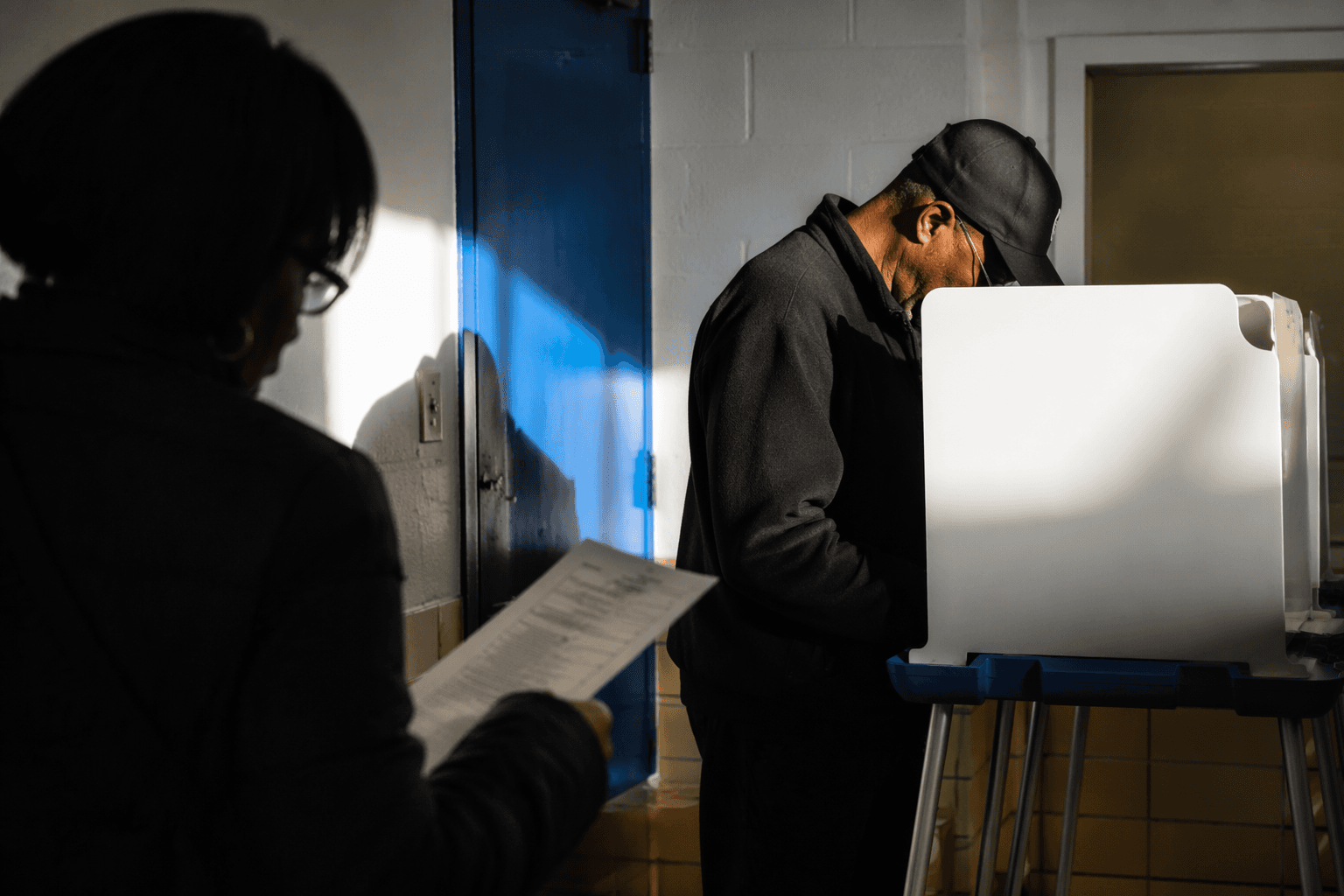
Washington voters cast ballots Tuesday for a new mayor and a new congressional delegate, turning a routine primary into a test of the District’s self-government as Donald Trump’s administration pressed harder on the city. The contest carried practical stakes well beyond campaign rhetoric: who controls policing, how much budget room city leaders keep, and how effectively the District can speak for itself in Congress.
It was the first time in a generation that D.C. residents chose both offices in the same election. The city also used ranked-choice voting for the first time in eligible contests with three or more candidates, a change that could reshape how crowded primaries are decided in future cycles. Every active D.C. voter was mailed a ballot for the June 16 election, and the general election was set for November 3.
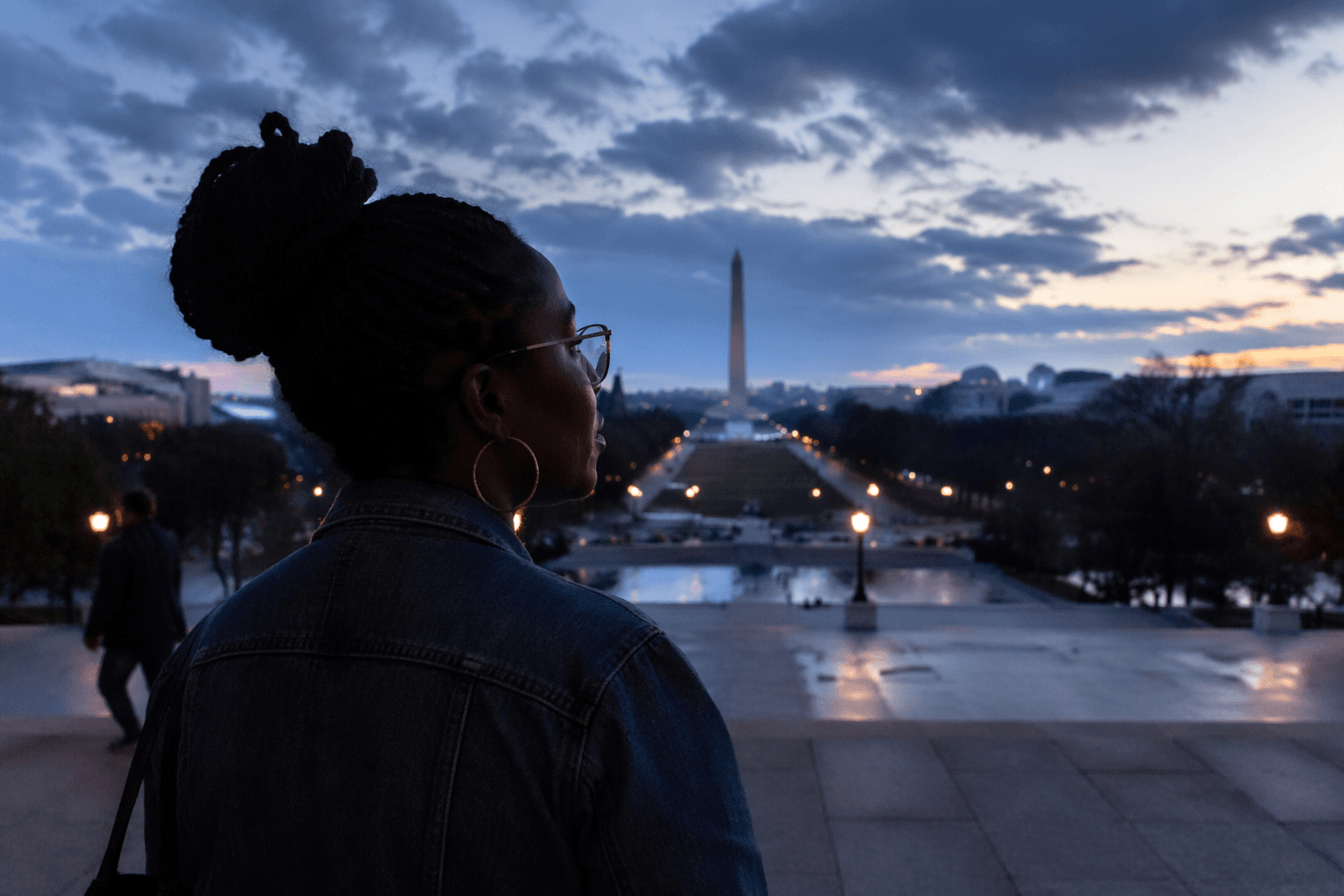
The mayor’s race opened after Muriel Bowser announced on November 25, 2025, that she would not seek a fourth term after nearly 11 years in office. Seven Democrats qualified for the primary, but Ward 4 Councilmember Janeese Lewis George and former at-large Councilmember Kenyan McDuffie drew much of the attention as voters weighed the city’s direction on crime, housing and relations with Washington’s federal power centers.
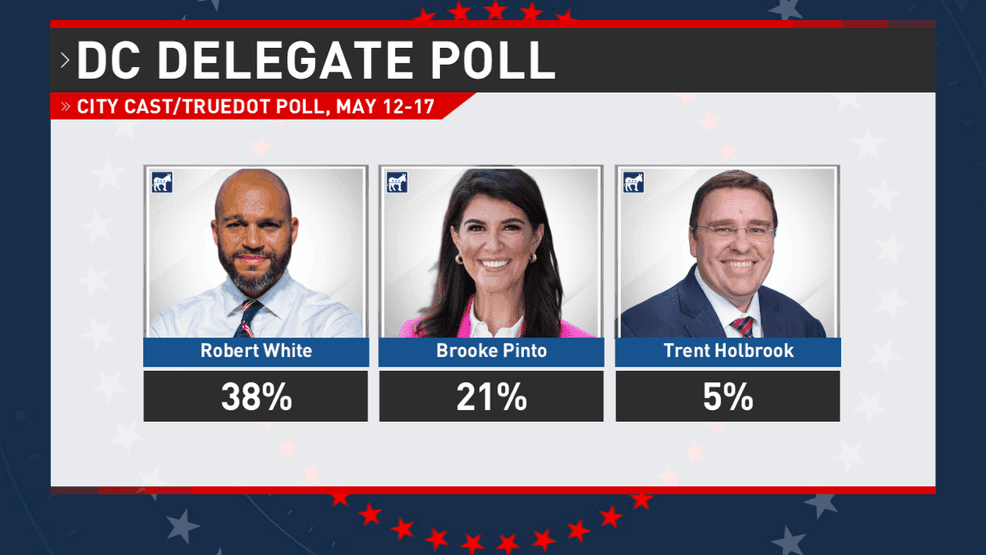
The delegate race was open for a similar reason of historical scale. Eleanor Holmes Norton, who has represented the District in Congress since 1991, said she would not seek reelection after 18 terms. Five Democrats made the ballot for the House delegate primary: Ward 2 Councilmember Brooke Pinto, At-Large Councilmember Robert White, Trent Holbrook, Greg Jaczko and Kinney Zalesne. The winner will still be a nonvoting delegate, but the race remains one of the District’s most visible lines of defense in Congress.
Trump’s influence hovered over both contests. D.C. officials have been fighting federal attempts to exert control over the Metropolitan Police Department, and Attorney General Brian Schwalb filed suit over what he called an unlawful federal takeover attempt. That fight has made policing one of the sharpest dividing lines in city politics, especially as candidates argued over whether the District should lean harder into public safety or push back more aggressively against federal intervention.
Turnout history showed why the stakes were high. About 127,000 Democrats voted in the 2022 mayoral primary, roughly 26% of registered voters, while about 92,000 Democrats participated in the 2024 primary for U.S. delegate. The Associated Press noted that the last time D.C. voters chose both a new mayor and a new delegate in the same election, gas cost $1.33 a gallon and George H.W. Bush was president.
Tuesday’s ballot also included races for council chairman, at-large council member, ward council seats, attorney general and other offices, making the primary a broad referendum on who will steer the District through a new chapter of federal pressure.
This article was produced by Prism’s automated news system from verified source data, official records, and press releases, then run through automated quality and moderation checks before publishing. The system is built and supervised by the people who set the standards it runs under. Read our full AI policy.
Know something we missed? Have a correction or additional information?
Submit a Tip