IRS said Trump Organization claimed Chicago tower losses twice
A potential $100 million IRS hit vanished after a settlement barred the agency from pursuing Trump’s existing audits, including a Chicago tower loss dispute.

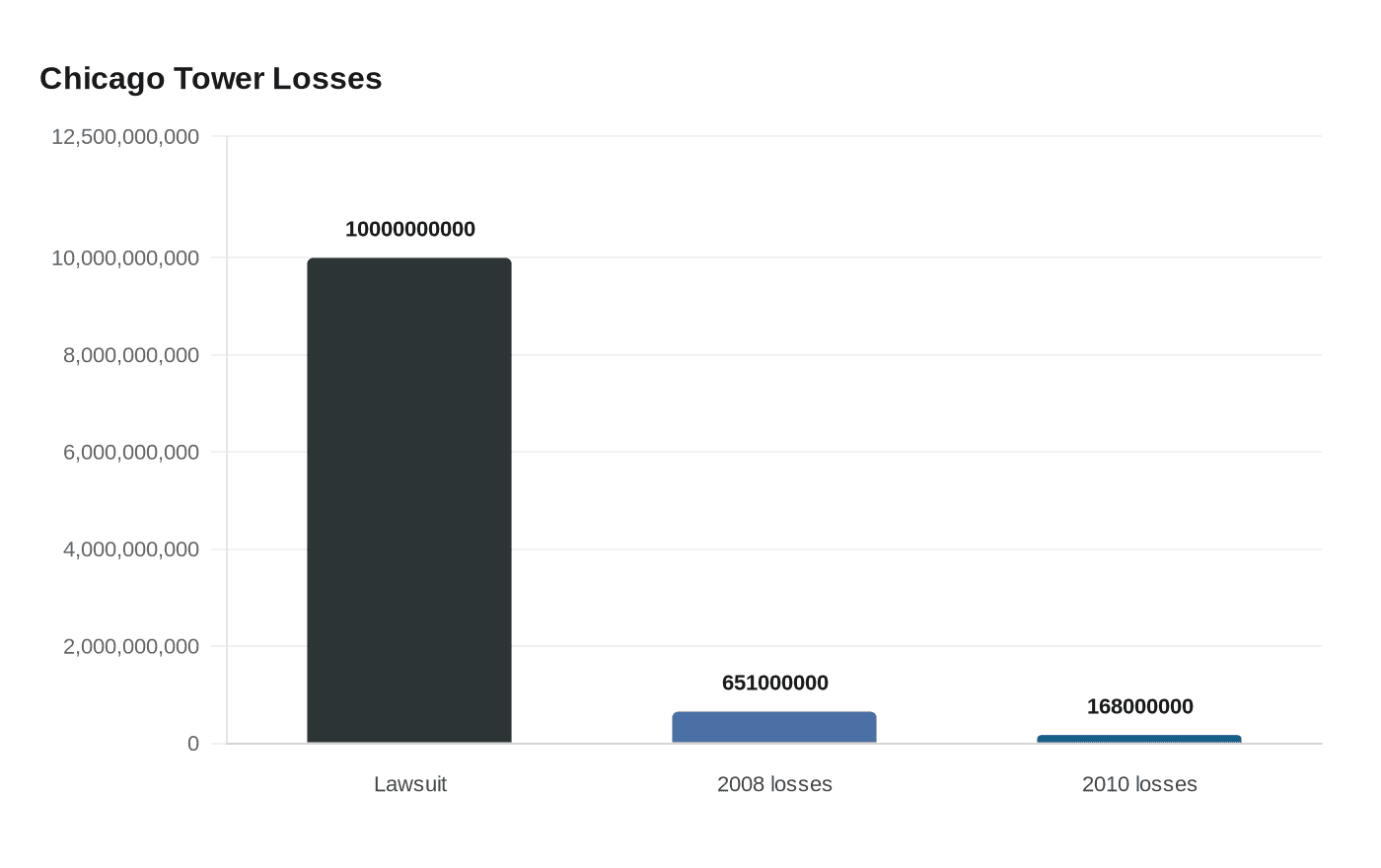
A potential IRS bill that could have topped $100 million disappeared after a settlement in Donald Trump’s $10 billion tax-return lawsuit shut down existing examinations of Trump, his family, trusts and businesses. The move left unresolved a tax dispute that centered on whether the Trump Organization claimed the same Chicago tower losses twice.
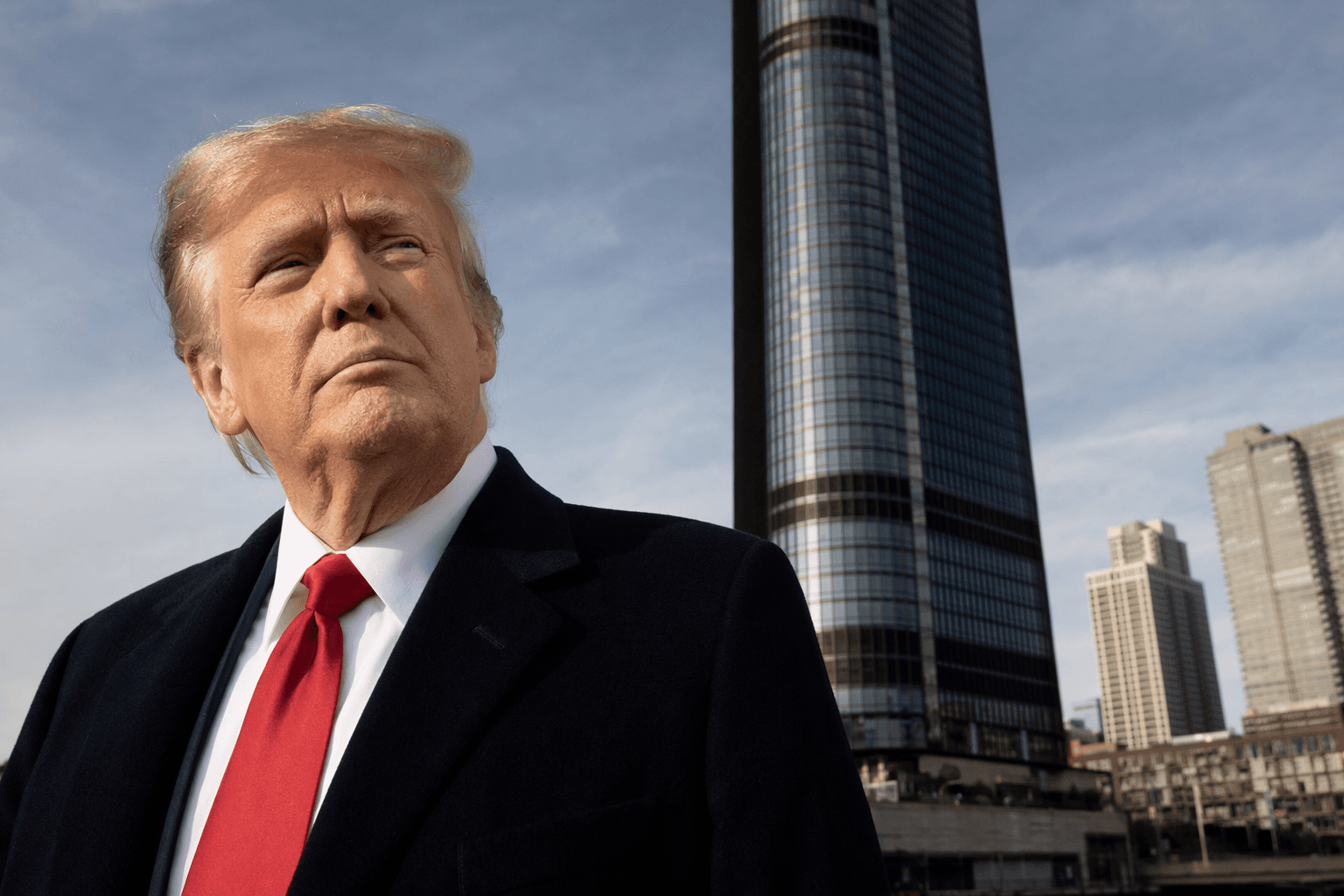
The dispute involved Trump International Hotel and Tower in Chicago, the 92-story skyscraper on the Chicago River that became one of Donald Trump’s biggest money losers. The IRS concluded Trump’s 2008 return treated the tower investment as “worthless,” generating reported losses as high as $651 million. Then, in 2010, Trump shifted the company that owned the tower into a new partnership and claimed another $168 million in losses over the next decade. Tax experts and journalists calculated that if the IRS won, the revised assessment could exceed $100 million, before interest and possible penalties.
The issue was novel enough that, during Trump’s presidency, the IRS carried out a high-level legal review before pressing ahead. The agency’s theory was straightforward in plain English: Trump could not write off the same failed investment twice, first by declaring it worthless and later by using a corporate restructuring to produce additional tax losses from the same property.
The matter changed after Trump and the Justice Department reached a settlement on May 18, 2026, in the lawsuit over the leaking of his tax returns. A one-page addendum added on May 19 said the IRS was “forever barred and precluded” from pursuing existing tax examinations of Trump, his related trusts, family members and businesses for returns filed before the settlement took effect. The Justice Department said the waiver applied only to existing audits, not future ones, and that the parties had signed customary waivers of claims that were or could have been brought.
Former IRS commissioner John Koskinen called the expanded deal a “terrible precedent” and warned it could amount to a windfall for Trump. The settlement raised a broader accountability question that now extends beyond Chicago: when a president’s business exposure is resolved through a deal negotiated by his own administration, the public is left to wonder whether the tax system is enforcing the rules evenly or making exceptions for power.
Know something we missed? Have a correction or additional information?
Submit a Tip