Israel launches broad wave of strikes on Iran's infrastructure
Israel said it began strikes on Iranian launch sites and air defenses as U.S. forces surge; Brent crude jumped to $81.40, raising global energy and inflation risks.
The IDF has begun a broad wave of strikes targeting the Iranian terror regime’s launch sites, aerial defense systems, and additional infrastructure," the Israeli military said on Telegram as the conflict widened across the region. The announcement came amid a surge of U.S. military forces and fresh U.S. casualty disclosures, intensifying immediate risks to shipping, commodity markets and regional stability.
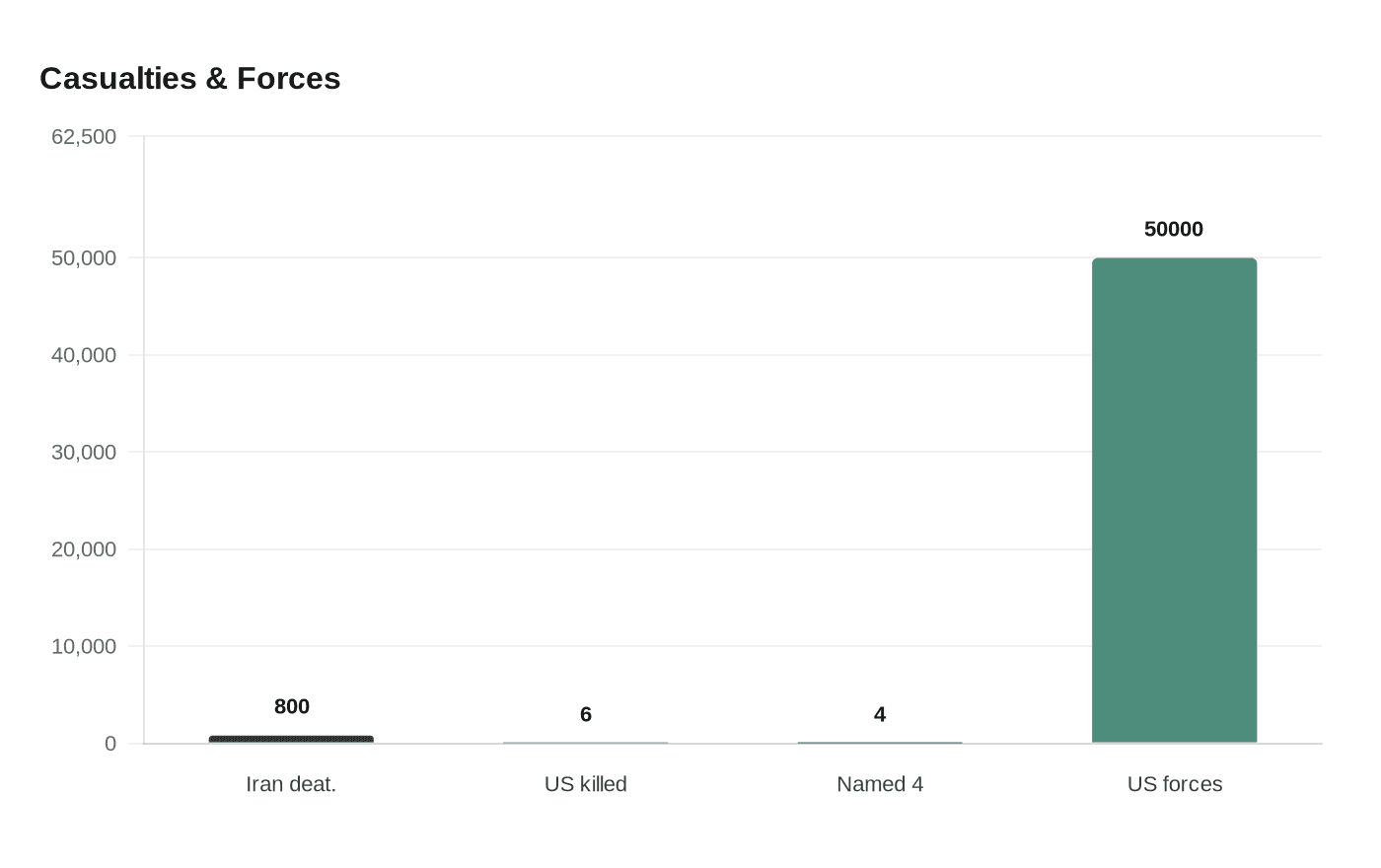
Washington announced the names of four Army Reserve soldiers killed by an Iranian drone at a base in Kuwait, and U.S. officials said six American troops had been killed in the widening war as of Tuesday evening. The leader of U.S. Central Command told allied officials that more than 50,000 troops, 200 fighters, two aircraft carriers and bombers were participating in the fighting, and a senior U.S. military official said roughly 50,000 U.S. forces are now assigned to the campaign with additional fighter jets flowing into the region.
The Israeli military later said it had concluded a wave of attacks against infrastructure in Tehran and Isfahan, and issued evacuation warnings for people in Karaj, specifically the Hakimiyah Industrial Zone and the Payam Airport area. Israeli authorities also detected launches from Iran that triggered two air‑raid warnings around midnight, after which residents were told they could leave protected spaces. Police reported munitions fell in the Tel Aviv area, injuring one woman with mild shrapnel wounds.
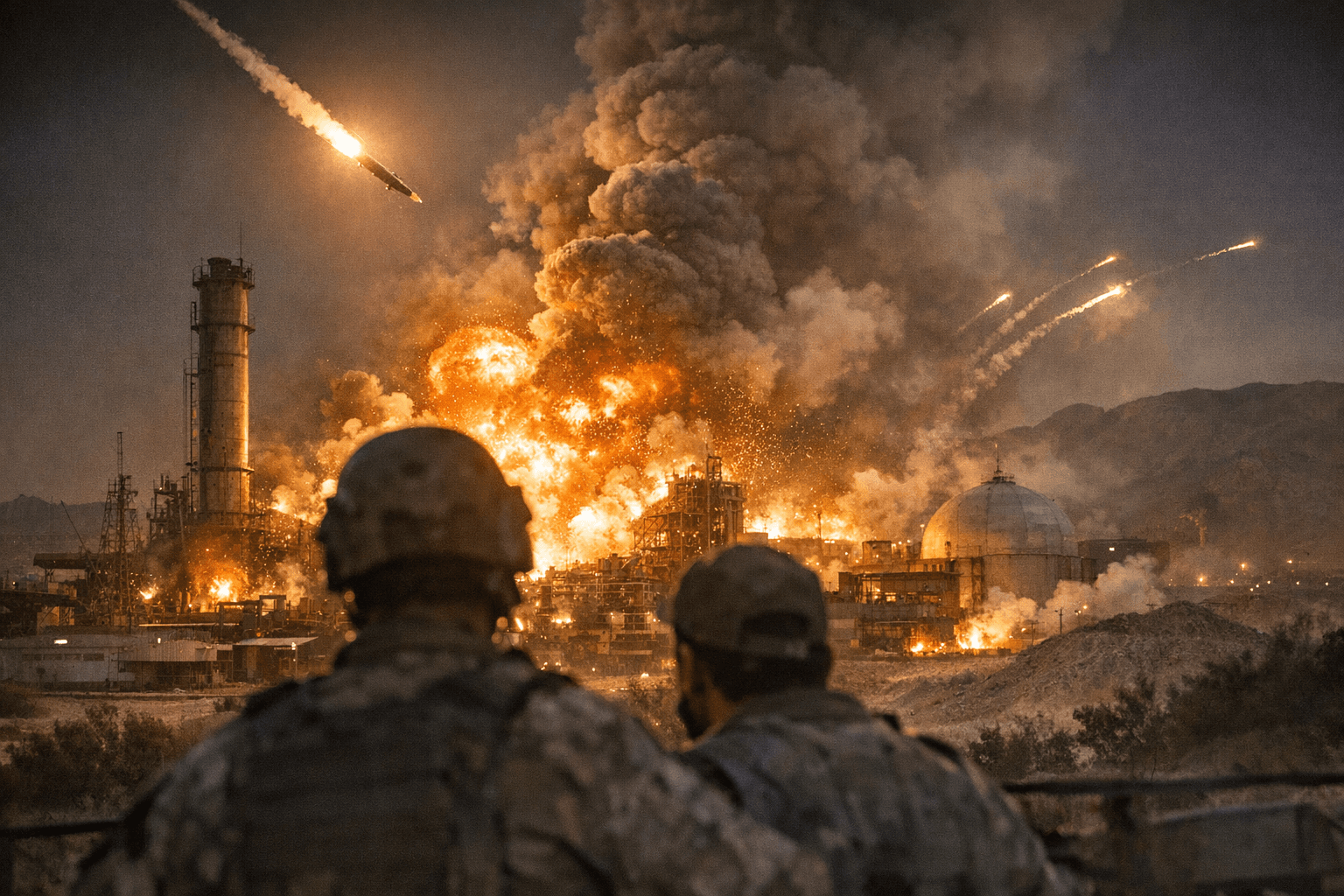
Operationally, U.S. and Israeli strikes have been launched from bases and ships often hundreds of miles from Iranian targets, and U.S. military officials said many Iranian attacks have been intercepted, limiting allied casualties so far. Iran’s humanitarian toll has been heavy; the Iranian Red Crescent put the death toll at nearly 800.
Markets reacted sharply. Brent crude settled up $3.66, or 4.7 percent, at $81.40 a barrel, its highest settlement since January 2025. European gas prices spiked as much as 40 percent before paring gains, while sugar, fertilizer and soy futures also rose. Traders and policymakers warned the disruption matters beyond immediate price moves: the region supplies just under a third of global oil and almost a fifth of natural gas, leaving Europe and Asia vulnerable to a sustained supply shock that could push up inflation and slow recovery.
In response to heightened maritime risk, Washington said it would use the Development Finance Corporation to provide political risk insurance and financial guarantees for commercial shipping in the Gulf. Ship owners and insurers signaled uncertainty that military escorts and government-backed insurance would fully blunt premium increases or shipping delays should attacks continue.
Political fallout extended beyond the battlefield. Canada’s prime minister urged restraint, calling for the U.S. and Israel to "respect rules of international engagement." In the United States, the president said the strikes had removed potential new leaders of Iran and suggested the conflict could persist, noting wars can be fought "forever" with America’s stock of munitions and estimating operations could last "four to five weeks."
The near-term picture is one of kinetic escalation, reinforced troop deployments and acute economic spillovers to energy and commodity markets. Analysts and officials say the pivotal questions now are whether strikes degrade Iran’s strike capability quickly, how shipping and insurance costs evolve, and whether rising energy prices feed through to sustained global inflation that would complicate policy choices in major economies.
Know something we missed? Have a correction or additional information?
Submit a Tip

