Israel Launches Largest Lebanon Strike Wave, Killing Over 254 Despite Ceasefire
Israel struck 100+ Hezbollah targets in 10 minutes on Wednesday, killing at least 254 in Lebanon hours after a US-Iran ceasefire raised hopes across the region.
Within ten minutes of the first strike, more than 100 Hezbollah targets across Lebanon were burning. By nightfall, at least 254 people were dead.
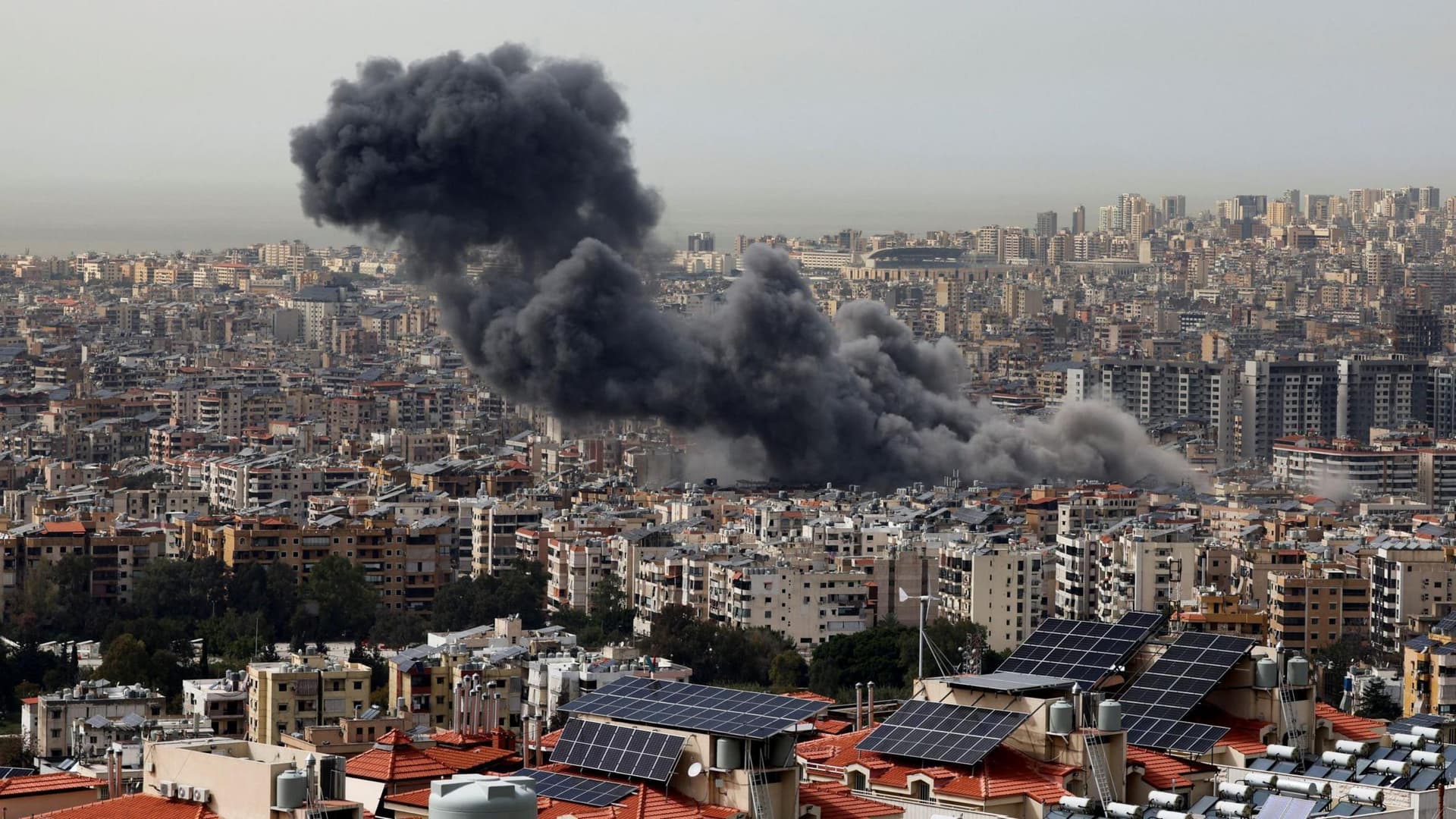
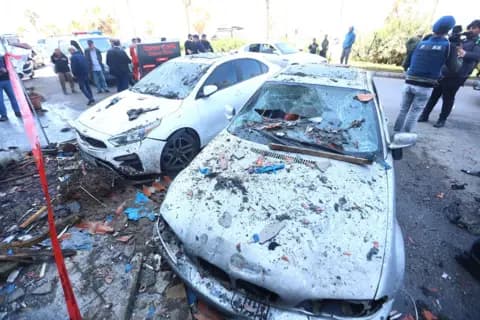
The Israeli military launched Operation Eternal Darkness on Wednesday afternoon, beginning at approximately 2:30 p.m. local time during peak rush hour in Beirut, with no advance warning to civilians. Lebanon's Civil Defense updated the toll to 254 killed and 1,165 wounded after the Lebanese Health Ministry had put the initial figure at 182. The strikes targeted the southern suburbs of Beirut, southern Lebanon, the Bekaa Valley, Mount Lebanon, and Sidon, hitting at least 48 areas including densely populated residential neighborhoods. Black smoke rose over multiple parts of the capital as ambulances raced toward open flames.
Israeli Defence Minister Israel Katz described the operation as "the largest concentrated blow Hezbollah has suffered since Operation Beepers," a reference to the 2024 campaign that used exploding pager and walkie-talkie devices to target Hezbollah operatives. IDF Chief of the General Staff Eyal Zamir said the army would continue "striking Hezbollah." The IDF's Arabic-language spokesperson acknowledged the operation had been "planned for several weeks." Among those killed was Hussain Makled, identified by Israel as Hezbollah's intelligence chief.
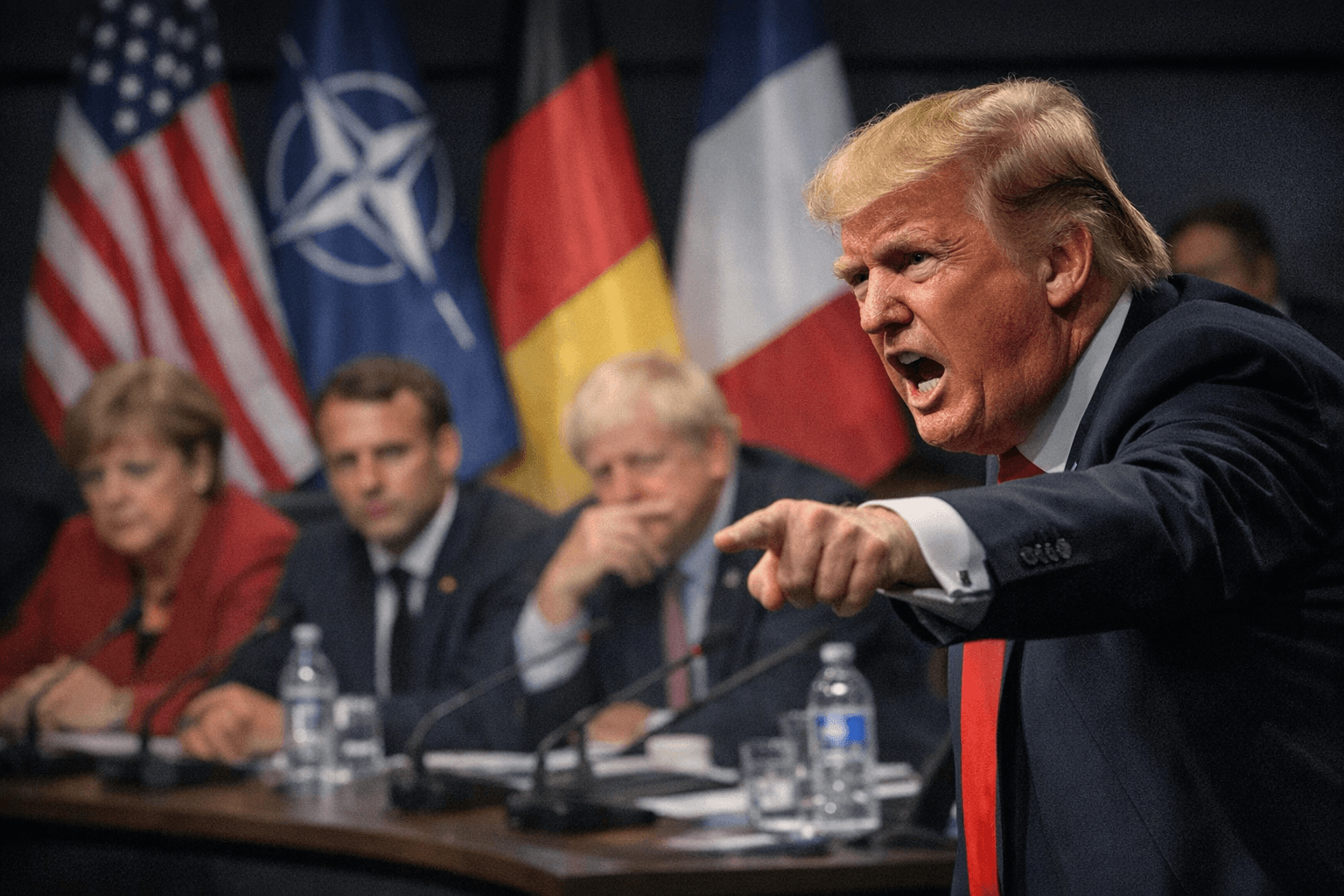
The timing carried explosive political implications. Hours before the strikes, Pakistani Prime Minister Shehbaz Sharif had mediated a two-week US-Iran ceasefire, and Hezbollah, as Iran's primary ally in Lebanon, had halted fire on northern Israel when the deal took effect. Prime Minister Benjamin Netanyahu then posted on X that the agreement "does not include Lebanon," stating Israel would "continue to strike." President Donald Trump backed that position, telling PBS NewsHour that Lebanon was excluded "because of Hezbollah" and characterizing the fighting there as "a separate skirmish" that would "get taken care of."
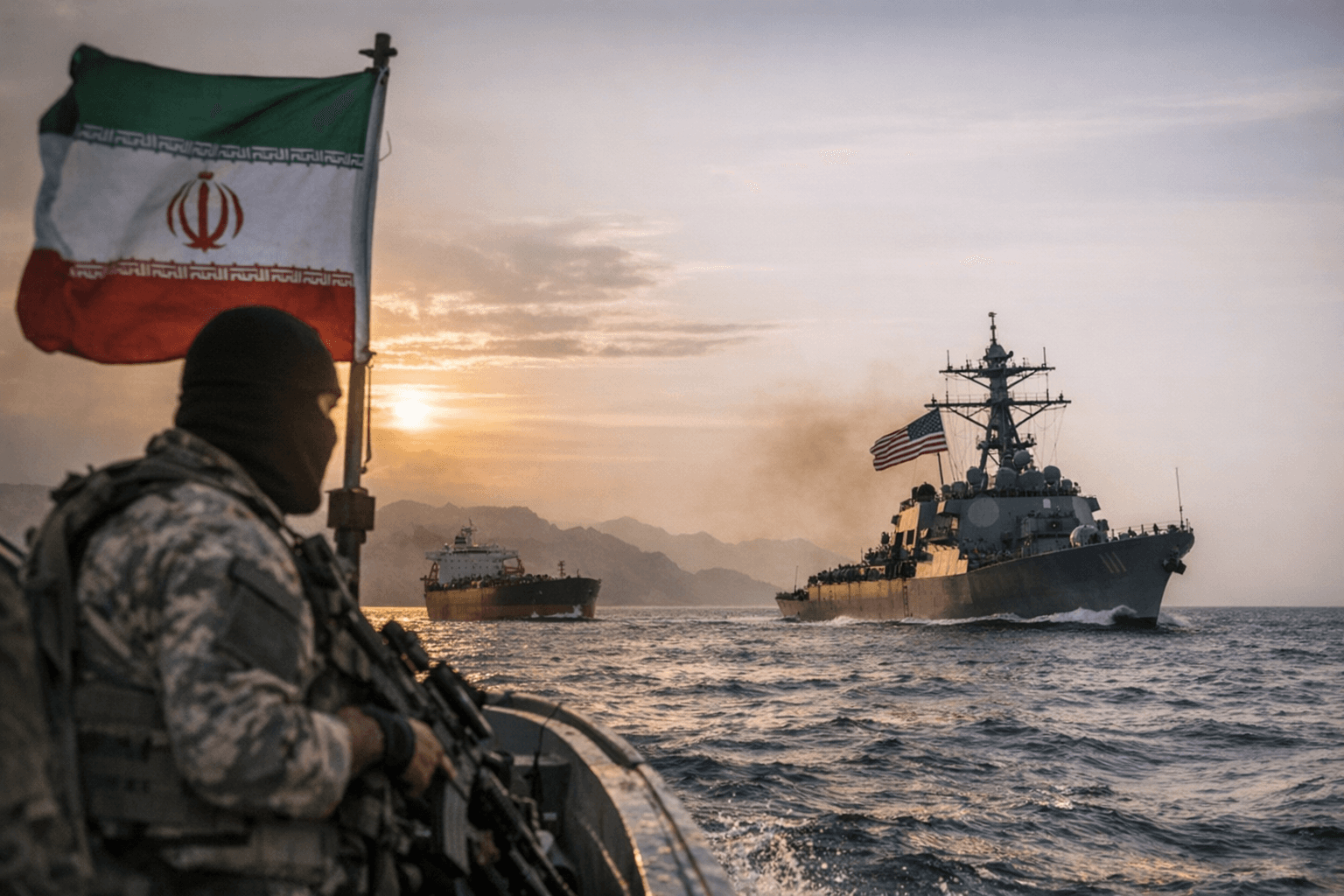
Pakistan flatly rejected that interpretation, saying the deal "includes all fronts." Iranian Foreign Minister Abbas Araghchi raised what Tehran described as "ceasefire violations in Iran and Lebanon" in a call with Pakistan's army commander. Iran then closed the Strait of Hormuz in direct response to the Israeli strikes, casting serious doubt on the truce's survival.
Lebanese leaders responded with unambiguous condemnation. President Joseph Aoun called the attacks "barbaric" and "a new massacre" that added to Israel's "dark record." Prime Minister Nawaf Salam said Israel had expanded its aggression into "densely populated residential neighborhoods," killing "unarmed civilians" even as Lebanon had "welcomed the ceasefire agreement between the US and Iran," calling on Lebanon's allies to help "stop these aggressions by all available means." House Speaker Nabih Berri called the strikes "a full-fledged war crime." Hezbollah lawmaker Hassan Fadlallah told Reuters the strikes represented "a grave violation of the ceasefire," warning there would be "repercussions for the entire agreement" if they continued. Hezbollah also declared a "right" to respond.
The United Nations condemned the strikes as "appalling," with UN Special Coordinator for Lebanon Jeanine Hennis posting on X that Israeli attacks "cannot go on." Human Rights Watch warned the strikes were "placing civilians across the country at grave risk of harm." Dr. Tania Baban of the Chicago-based nonprofit MedGlobal was direct: "These are not targeted attacks."
Wednesday's operation came against the backdrop of a Lebanon already shattered by weeks of war. More than 1,500 people had been killed in the Israeli invasion before April 8. The current conflict escalated after Israeli strikes killed Iranian Supreme Leader Ali Khamenei on February 28, triggering Hezbollah's offensive and Israel's renewed large-scale campaign. That war itself followed a prior conflict that ended in a November 2024 ceasefire, though Israel continued near-daily attacks in Lebanon during that nominal pause, killing an estimated 500 people. With hospitals in southern Lebanon and the Bekaa Valley now ordered to postpone non-urgent surgeries, the health infrastructure of a country already absorbing more than 1,500 deaths faces its most acute test yet.
Sources:
Know something we missed? Have a correction or additional information?
Submit a Tip