Israel Strikes Iran's Largest Petrochemical Complex Amid Ceasefire Talks
Israel's strike on South Pars targeted a facility supplying half of Iran's petrochemical output, killing 25+, even as mediators circulated a 45-day ceasefire proposal.
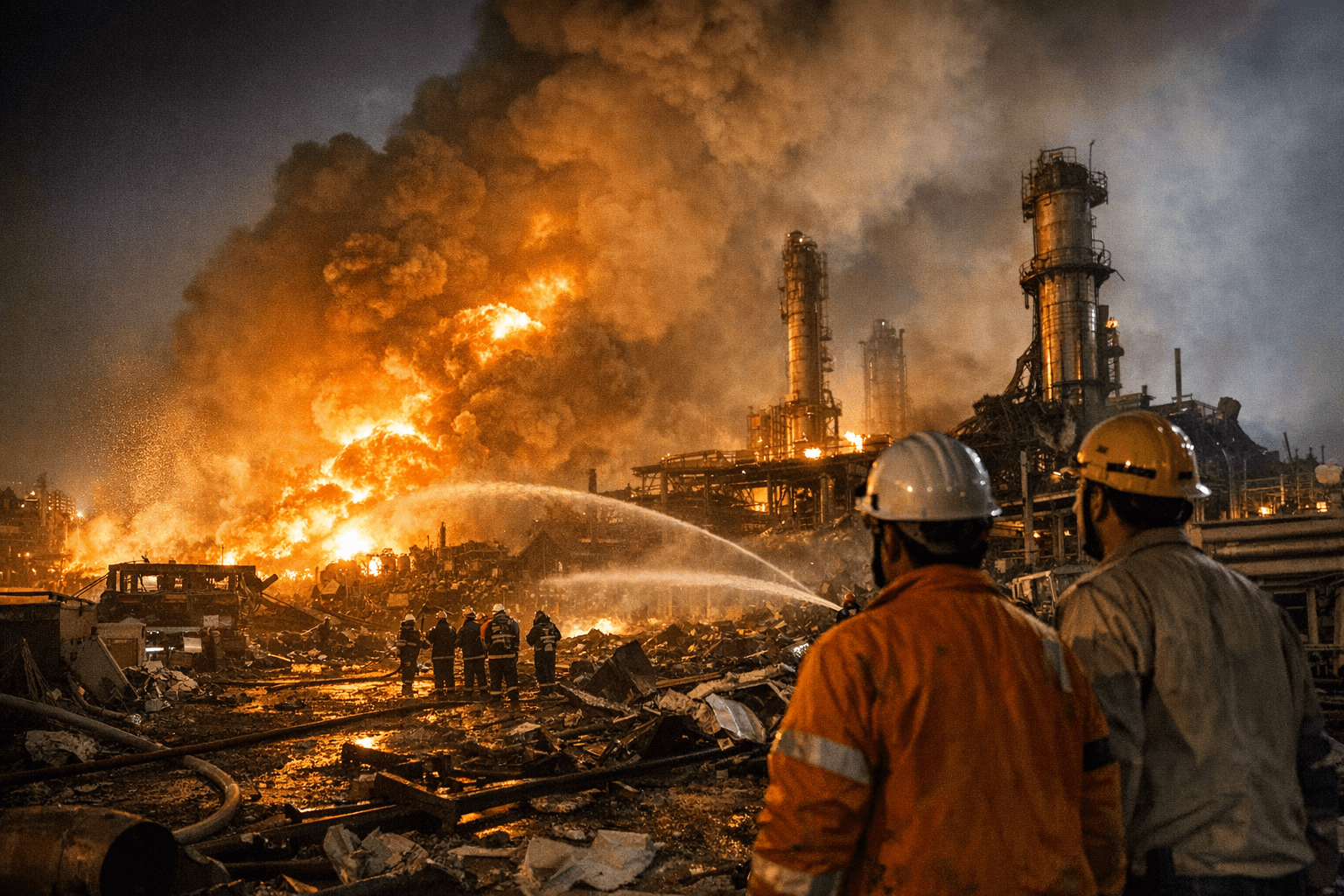
Israel targeted South Pars, Iran's largest natural gas and petrochemical complex, in strikes that killed more than 25 people on Monday, the same day Egyptian, Pakistani and Turkish mediators circulated a draft proposal for a 45-day ceasefire to both governments.
Defense Minister Israel Katz confirmed the operation, saying Israel had "just carried out a powerful strike on the largest petrochemical facility in Iran, located in Asaluyeh, a central target responsible for about 50% of the country's petrochemical production." Prime Minister Benjamin Netanyahu also confirmed the attack. At least five people were killed and approximately 170 others injured at the complex in southwestern Iran; the broader death toll from strikes across the country exceeded 25.
The ceasefire proposal, delivered late Sunday night, calls for a 45-day pause in fighting and the immediate reopening of the Strait of Hormuz, to allow time for both sides to pursue talks toward a permanent settlement. The concessions required from each side are substantial: Iran would have to lift its blockade of the strait without any guarantee of a lasting agreement, while Israel and the United States would have to halt strikes on Iranian infrastructure during the window.
Iran rejected the terms almost immediately. An Iranian official said the strait would remain closed until the country was "fully compensated" for war damages, a precondition neither Washington nor Tel Aviv has shown willingness to meet. The South Pars strike, coming just hours after the proposal was transmitted, made clear that Israel had no intention of standing down pending diplomatic progress.
The White House sent cautious, hedged signals. A senior official said the 45-day proposal was "one of many things being discussed" and stressed that the president "has not signed off on the idea." Trump had separately threatened to hit Iranian power plants and critical infrastructure if Tehran did not reopen the strait by Tuesday evening, Eastern Time.
The Strait of Hormuz has been effectively blocked to commercial shipping since late February 2026, when joint U.S.-Israeli strikes on Iran, including the killing of Supreme Leader Ali Khamenei, triggered retaliatory missile and drone attacks and an effective halt in shipping traffic. Dubai crude oil prices reached $166 per barrel in March, their highest on record, and California gasoline prices exceeded $5 per gallon in the second week of that month. The South Pars complex sits at the center of that pressure: a previous Israeli attack on South Pars facilities in March sparked major Iranian retaliatory strikes targeting oil and gas infrastructure across the Gulf Arab states.
Monday's strikes also killed Iran's Revolutionary Guards intelligence chief in a separate Israeli airstrike on Tehran, further shrinking the already-narrow diplomatic space. Iran has previously rejected a 15-point U.S. peace plan and has insisted any settlement must address Lebanon as a condition, leaving mediators from Cairo, Islamabad and Ankara with a proposal and no clear buyer on either side.
This article was produced by Prism’s automated news system from verified source data, official records, and press releases, then run through automated quality and moderation checks before publishing. The system is built and supervised by the people who set the standards it runs under. Read our full AI policy.
Did this article answer your question?


