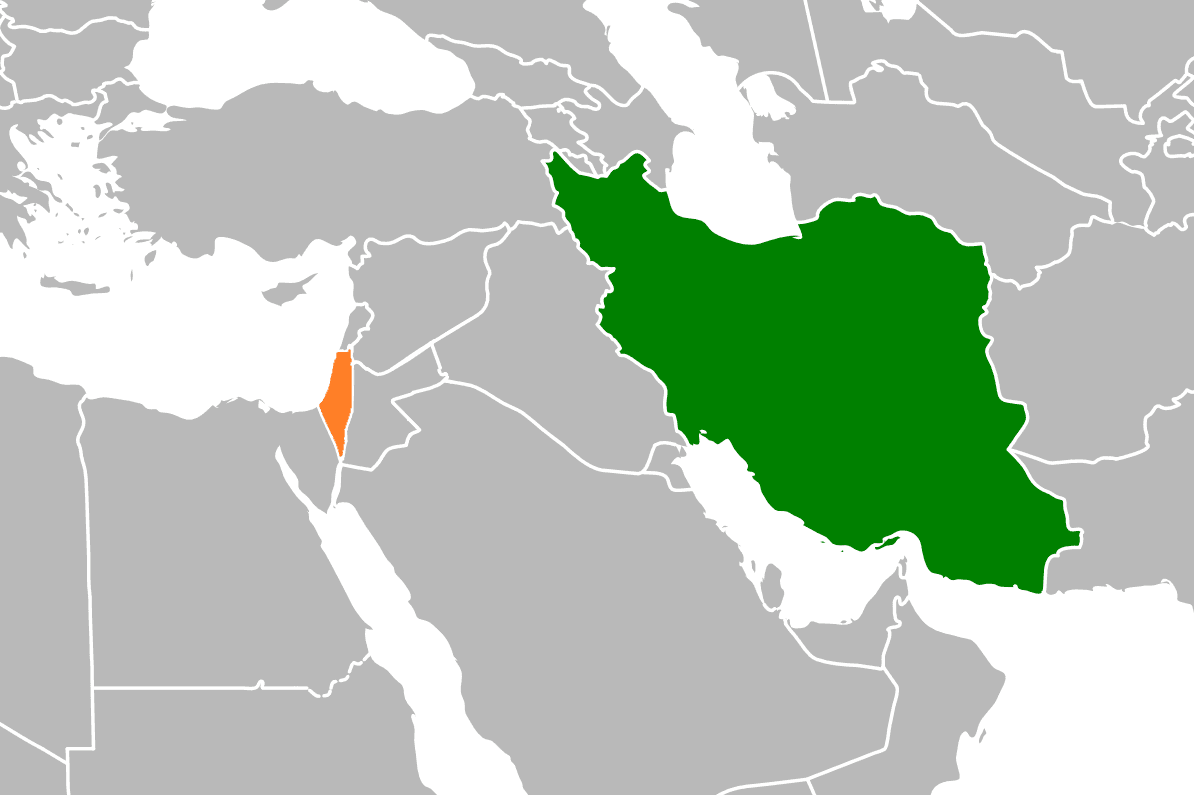
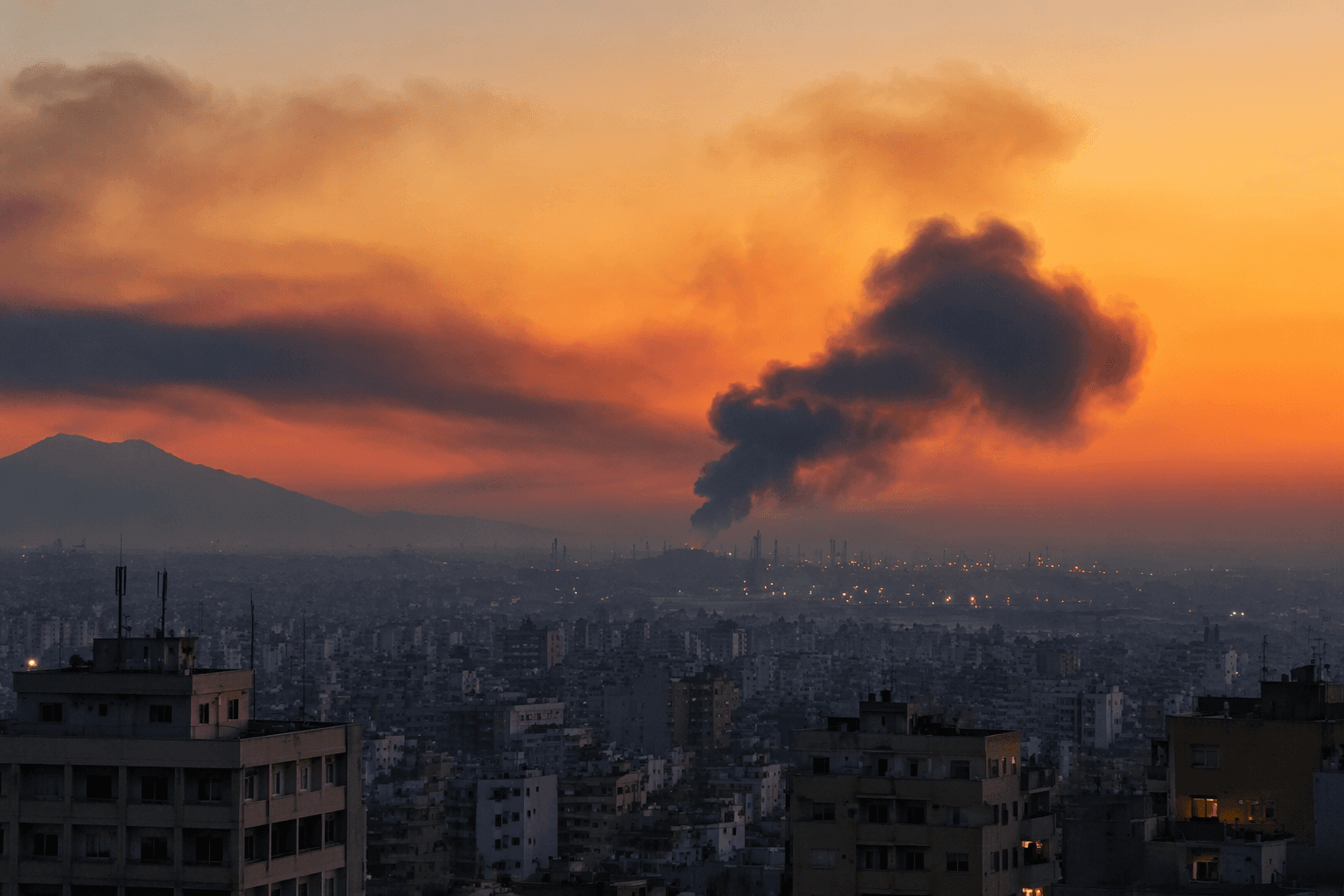
Israel strikes Mahshahr petrochemical complex, damage reported in Iran
Israel hit the Mahshahr petrochemical complex, forcing evacuations at a site that helps drive about 30% of Iran’s petrochemical commodities.
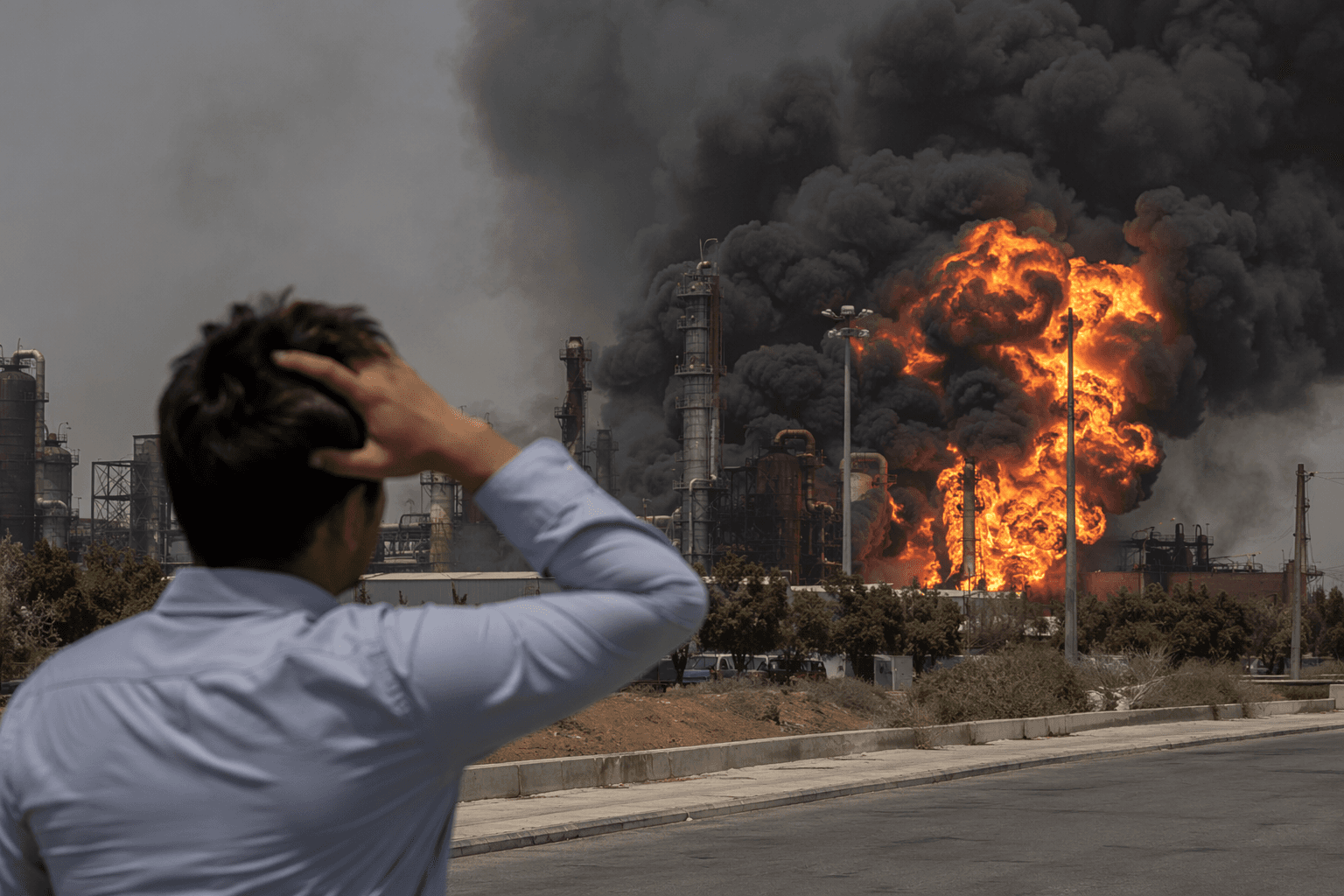
Israel struck several targets at the Mahshahr petrochemical complex in Iran’s Khuzestan province, and local officials reported damage to parts of the facility. Day-shift workers at the Mahshahr Petrochemical Special Economic Zone were evacuated after the attack on the Kaorun petrochemical company, underscoring how quickly an industrial blast zone can become a civilian emergency.
Mahshahr sits on Iran’s northwestern Persian Gulf coast near Bandar Imam Khomeini, inside a 3,000-hectare special economic zone built to expand upstream and downstream petrochemicals. Iranian sources say the zone holds about 20 petrochemical plants with a rated annual capacity of roughly 26.3 million tons. A 2022 Iranian financial report said output there had reached 20 million tons a year, equal to about 30% of Iran’s petrochemical commodities, with roughly $20 billion invested over two decades.
That scale is what makes the site so sensitive. The facility makes materials Iran says are for civilian uses, while Israel argues the same industrial base can also support military applications. In practice, the line between civilian production and strategic value is blurred: the zone is tied to export revenue, domestic supply chains and the industrial feedstocks that keep large parts of Iran’s economy moving.
The attack also landed in a place with deep strategic history. Encyclopaedia Iranica says Mahshahr became a petroleum export port in 1948 and once handled more than 40 million tons of annual traffic. As petrochemical development expanded, the city grew into a labor center, reaching about 30,000 residents by 1976. The modern complex is not just a factory belt; it is part of the economic life of the coast.
Reuters said the strike was the first Israeli hit on an energy site inside Iran since the April 8 ceasefire, after Iran and Israel exchanged missile and air strikes again in early June 2026. Earlier in April, Israeli attacks reportedly hit at least eight major petrochemical complexes in the Mahshahr region and supporting infrastructure, and Iranian officials said operations there were halted.
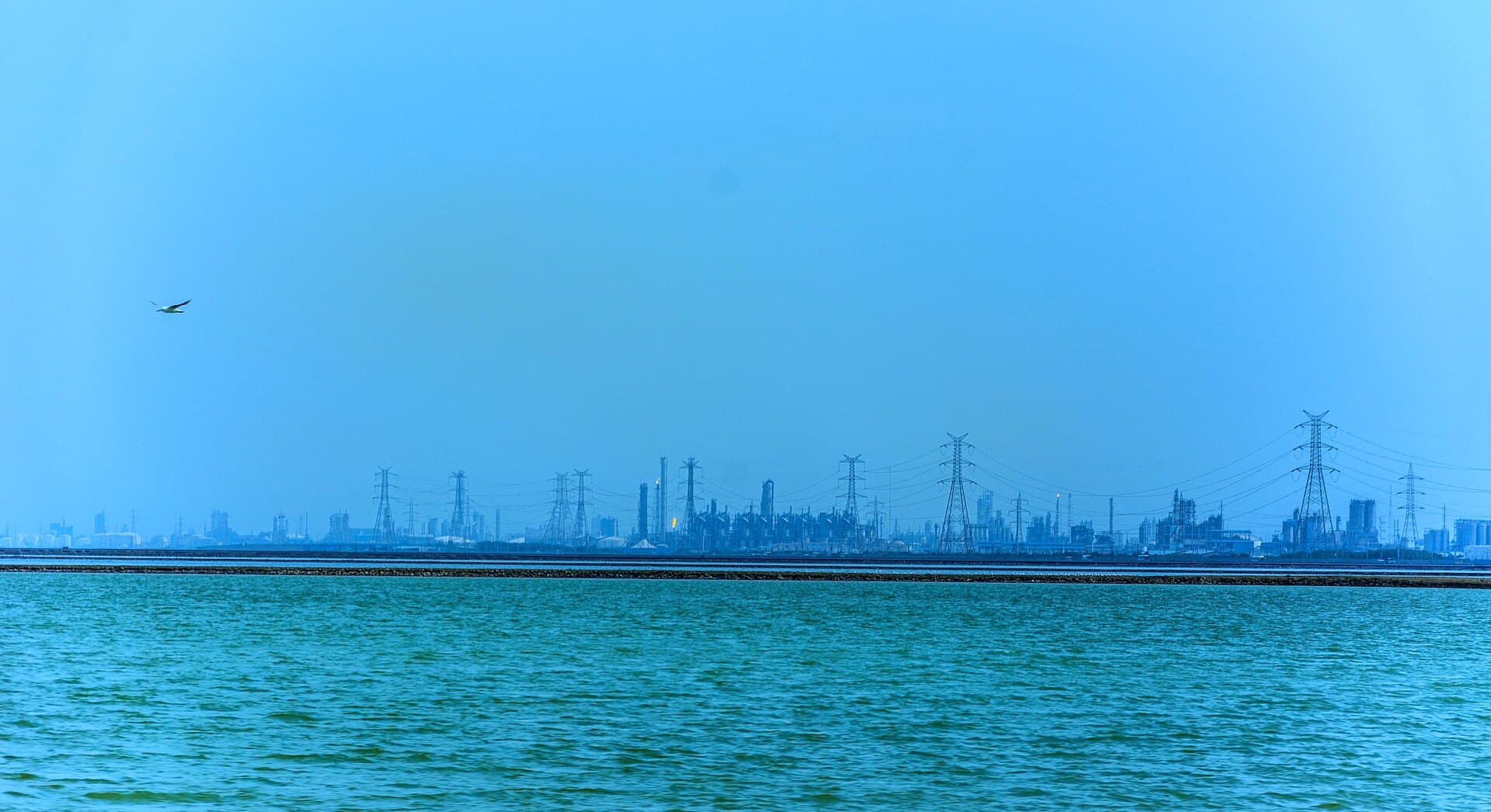
The broader risk reaches well beyond Mahshahr. Iran International said Mahshahr accounts for about 28% of Iran’s petrochemical production, while the neighboring Assaluyeh hub contributes more than 48%, together making roughly three-quarters of national output. The Mahshahr zone also sits close to the Strait of Hormuz, through which the International Energy Agency says about 20 million barrels per day of crude oil and products passed in 2025, around 25% of global seaborne oil trade. Disruption there would strain export revenue, jolt domestic supply chains and deepen fears of a wider shock to world energy markets.
This article was produced by Prism’s automated news system from verified source data, official records, and press releases, then run through automated quality and moderation checks before publishing. The system is built and supervised by the people who set the standards it runs under. Read our full AI policy.
Know something we missed? Have a correction or additional information?
Submit a Tip