Israeli Forces Find Weapons Cache as Hostage Remains Handed Over
Israeli troops in Gaza City's Shejaiya neighborhood uncovered a weapons cache amid continued urban operations, while the Red Cross transferred the bodies of three hostages to Israeli authorities. The developments, coupled with a deadly drone strike in southern Lebanon that targeted a Hezbollah operative, heighten regional military risk with immediate humanitarian and market implications.
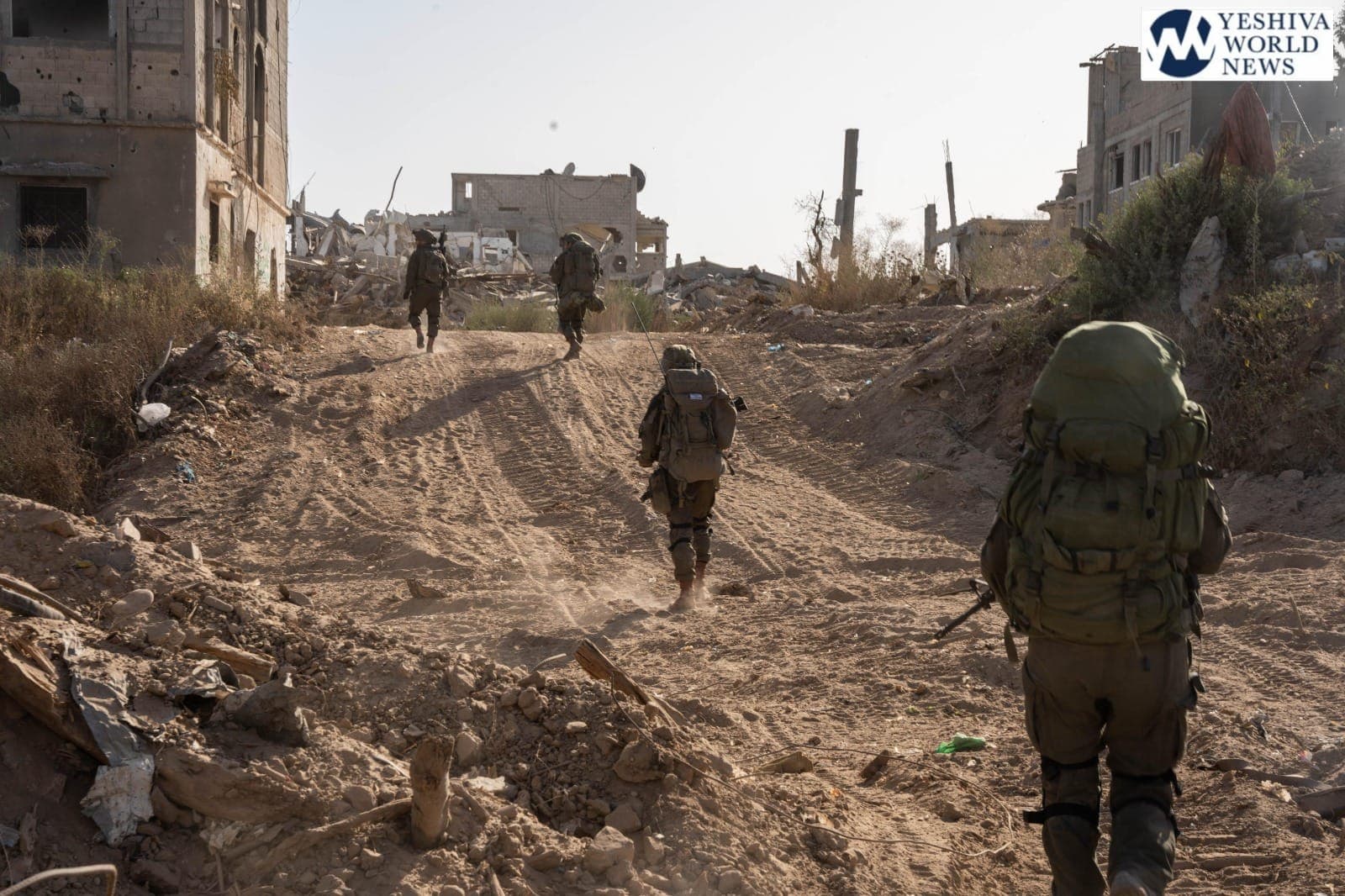
Israeli military units reported discovering a cache of weapons in the densely populated Shejaiya neighborhood of Gaza City as ground operations continued, underscoring the persistent challenges of urban combat in the densely built Gaza Strip. The discovery, announced by the Israel Defense Forces, arrives amid ongoing efforts to locate hostages and clear militant strongpoints amid intense fighting.
Humanitarian activity threaded through the same operational space: Red Cross vehicles transported the bodies of three deceased hostages handed over by Hamas toward the border crossing at Deir al-Balah on November 2, images distributed by news agencies show. The IDF said the Red Cross was en route to troops inside Gaza to hand over an apparent body of a hostage, and later announced it had received a casket containing an apparent hostage in Gaza. The transfer of remains is likely to intensify domestic political pressure in Israel while also shaping public perceptions of the conflict’s human toll.
The flare-up along Israel’s northern frontier added another layer of risk. An Israeli drone strike in southern Lebanon killed an operative identified as part of Hezbollah’s Radwan force, according to military statements; separate imagery shows wreckage from an airstrike in the Lebanese village of Kfar Roummane, where occupants were reported killed. Those actions signal an ongoing cross-border dynamic that analysts say raises the prospect of wider escalation even as Israeli operations in Gaza persist.
From a strategic perspective, the seizure of weaponry in Shejaiya is a tactical indicator that militant forces retain the means to fight in built-up areas, complicating clearance operations and prolonging urban campaigns. For Israel, such discoveries validate the intelligence-led raids and house-to-house sweeps that have characterized much of the ground phase, but they also portend higher operational tempo, continued civilian displacement, and mounting infrastructural damage.
The widening geographic scope of strikes and counter-strikes carries near-term economic effects. Markets are sensitive to geopolitical risk in the eastern Mediterranean and Levant, particularly through oil markets and regional shipping insurance costs. While the Red Sea and Strait of Hormuz remain the chief chokepoints for crude exports, renewed hostilities can elevate risk premia on shipping and energy, pressuring costs for import-dependent economies. Defense contractors and insurers often see immediate financial side effects from such spikes in regional instability, and humanitarian organizations face higher logistical and budgetary burdens as casualty numbers and displaced populations grow.
Longer term, persistent cross-border engagements involving nonstate actors like Hezbollah raise the probability of protracted low-intensity conflict in the region, which can deter investment, constrain tourism and deepen fiscal strains as governments prioritize security spending. Policymakers in Washington, European capitals and Gulf states will likely weigh how military support, diplomatic pressure and humanitarian aid are calibrated in response to both battlefield developments and the intensifying humanitarian crisis on the ground. The discovery in Shejaiya and the exchanges across the Lebanon-Israel line make clear that the immediate military phase remains volatile, with important economic and political second-order consequences to follow.
Know something we missed? Have a correction or additional information?
Submit a Tip

