Israeli strike in southern Lebanon kills seven, including child
Seven people, including a child, were killed in Saksakiyeh as Israel widened strikes across southern Lebanon, raising fresh doubts about the ceasefire's durability.
Seven people, including a child, were killed and 15 others wounded when an Israeli strike hit the southern Lebanese town of Saksakiyeh, a toll that turned a single attack into a stark measure of how fragile the Lebanon front has become. Emergency responders, aided by other people and heavy machinery, worked through the site after the strike, underscoring the scale of the destruction in the Sidon district.
The Lebanese Health Ministry gave the casualty count as rescuers sifted through the wreckage, while the Israeli military said it had struck Hezbollah militants in Saksakiyeh and accused them of planning attacks against Israeli soldiers. The military said the details were still under review and acknowledged reports of harm to uninvolved civilians in the structure. That combination of claims and civilian deaths has become increasingly common along the border, where each strike now carries immediate political and humanitarian consequences.
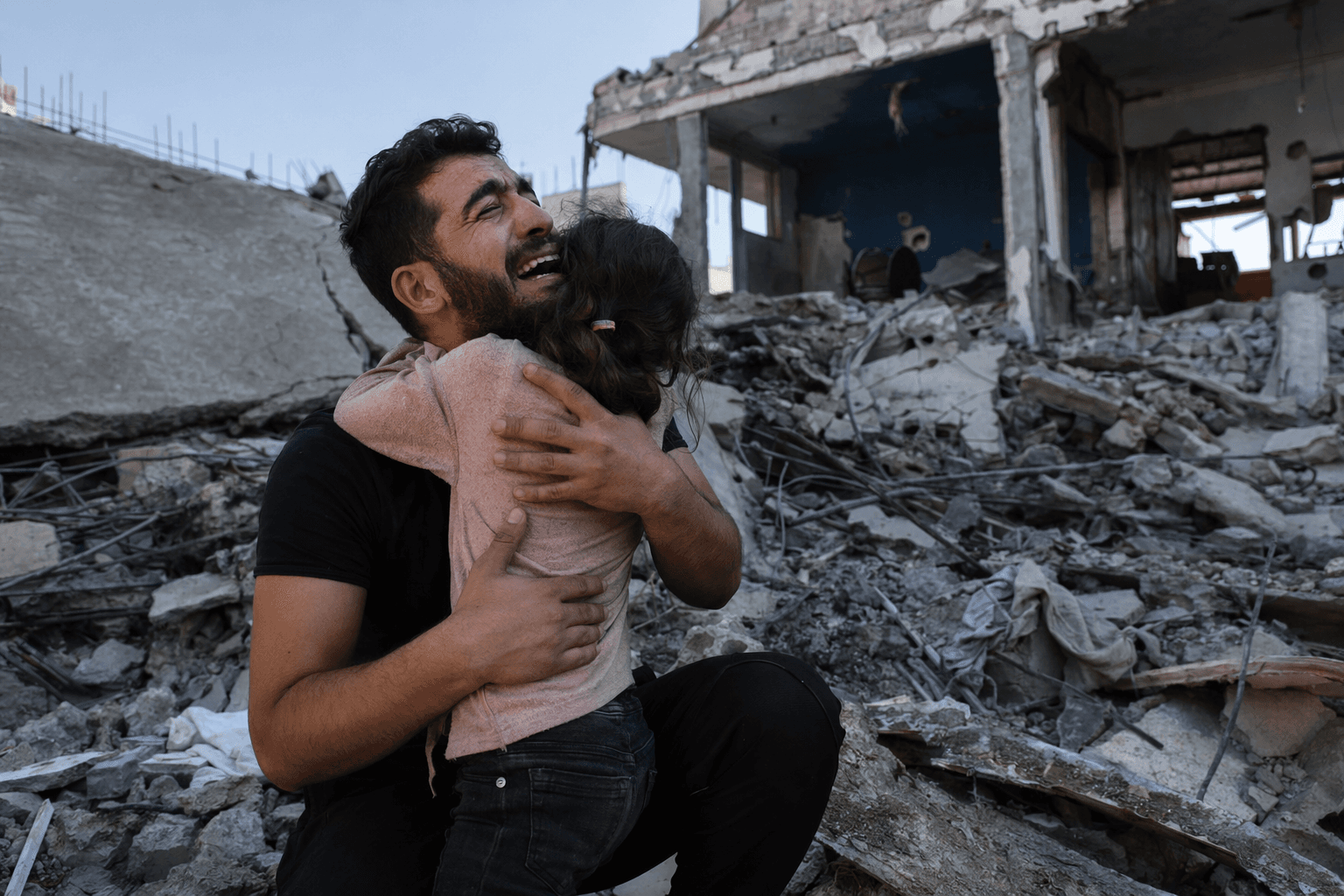
The Saksakiyeh attack lands against a ceasefire that was announced on April 16, 2026 but has not stopped the fighting. Israel and Hezbollah have kept exchanging fire in southern Lebanon, where Israel has carved out a self-declared security zone, and Washington has tried to keep diplomacy alive through two rounds of talks between Lebanese and Israeli ambassadors. A third round had been scheduled for May 8-9 in Washington, even as the violence on the ground continued.
The broader pattern suggests the front is widening rather than settling. Israel issued evacuation warnings for nine villages in southern Lebanon before strikes on May 9, and the Israeli military said it hit 85 Hezbollah targets across the south over the previous day. Hezbollah, for its part, has continued to launch explosive drones and rockets at Israeli forces and says Israel has committed more than 500 ceasefire violations. The result is a conflict that has shifted from a formal truce to repeated tests of that truce, with civilians still paying the highest price.

That makes Saksakiyeh more than another isolated strike. A similar round of Israeli attacks in southern Lebanon on April 28 killed five people, including three rescuers, showing how quickly rescue workers and nearby residents can be pulled into the violence. With civilian casualties rising and diplomatic talks still unable to stop the shelling, the question is no longer whether the border remains tense, but whether the current pattern represents a tactical flare-up or a deeper strategic shift.
This article was produced by Prism’s automated news system from verified source data, official records, and press releases, then run through automated quality and moderation checks before publishing. The system is built and supervised by the people who set the standards it runs under. Read our full AI policy.
Did this article answer your question?


