Japan approves joint custody for divorced parents after 80 years
Japan ended an 80-year sole-custody system, but judges will still block shared custody where abuse or a child’s interests make it unsafe.

Japan’s Diet has approved a Civil Code revision that will let divorced parents choose joint custody for the first time, a major shift in a system that had changed little for roughly 77 to 80 years. The change is expected to take effect in fiscal 2026, and it moves Japan into line with the rest of the G7, after it stood alone as the only member without legal joint custody after divorce.
Under the new rules, parents who divorce may agree to joint custody or sole custody. If they cannot agree, family courts will decide based on the child’s interests. The Ministry of Justice has said courts must award sole custody if joint custody would harm the child, including in cases involving domestic violence or abuse, or if joint parenting would be impractical under the circumstances.
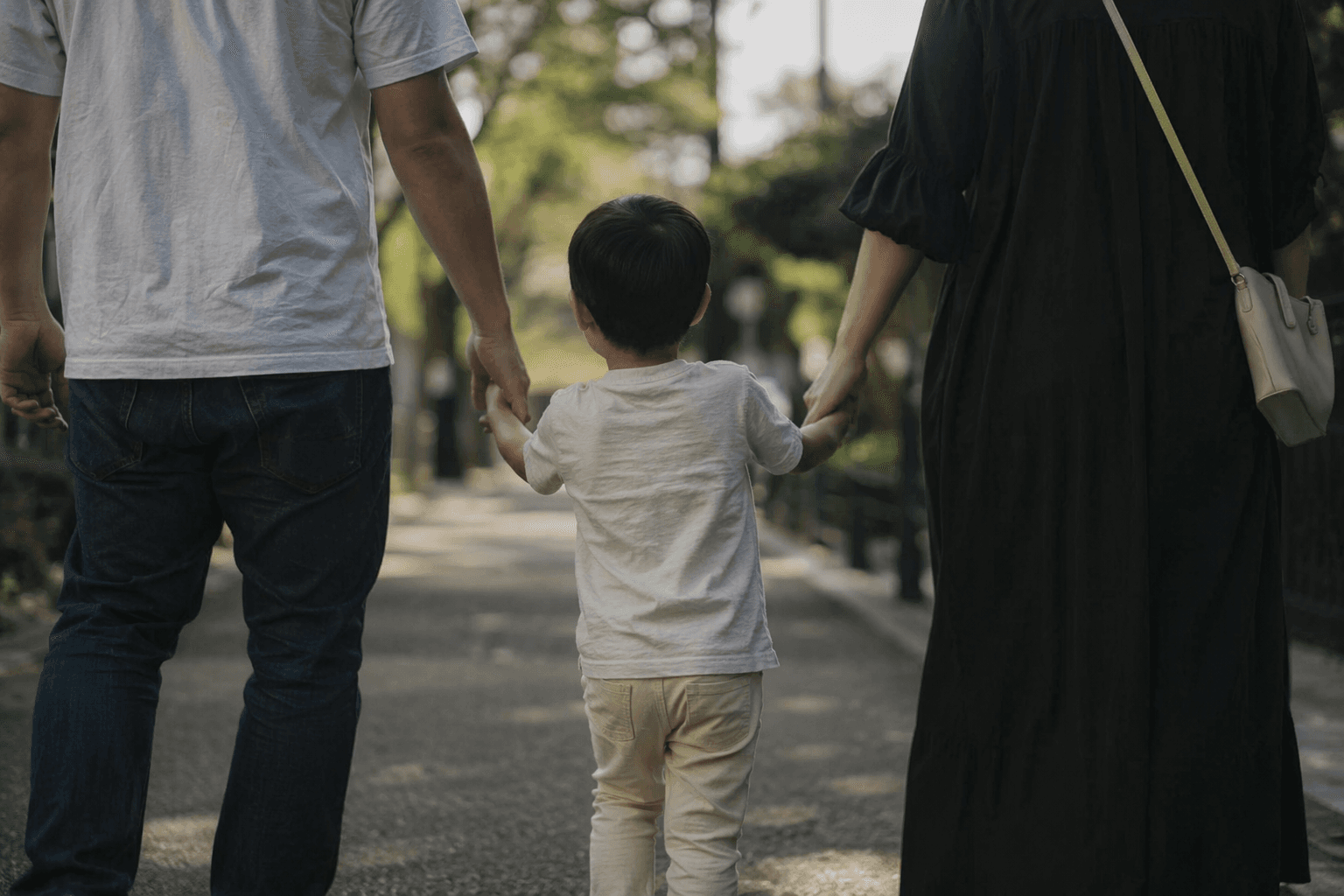
The reform passed the House of Councillors with support from across the political spectrum, including the Liberal Democratic Party, Komeito, the Constitutional Democratic Party of Japan, Nippon Ishin no Kai, and the Democratic Party for the People. That broad backing reflected a long-running debate over whether Japan’s old sole-custody model protected children or left one parent, often the father, cut off after divorce.
Supporters argued the old framework too often severed contact between children and one side of the family, especially when courts granted custody to only one parent. Unpaid child support and denial of visitation became central social issues in the push for change, sharpening pressure for a system that could better preserve parental access after separation.
The new law is also expected to give some parents who divorced under the old system a path to seek custody changes through family court. At the same time, victims of domestic violence and support groups warned during the debate that courts might fail to recognize abuse and could pressure survivors into shared custody, raising the stakes for how judges apply the child-interest standard in practice. The law now shifts Japan’s legal culture toward parental cooperation, but its real impact will depend on whether family courts use that discretion to expand contact safely or simply create a new option on paper.
This article was produced by Prism’s automated news system from verified source data, official records, and press releases, then run through automated quality and moderation checks before publishing. The system is built and supervised by the people who set the standards it runs under. Read our full AI policy.
Did this article answer your question?