Japan companies eye AI robots as labor shortages bite
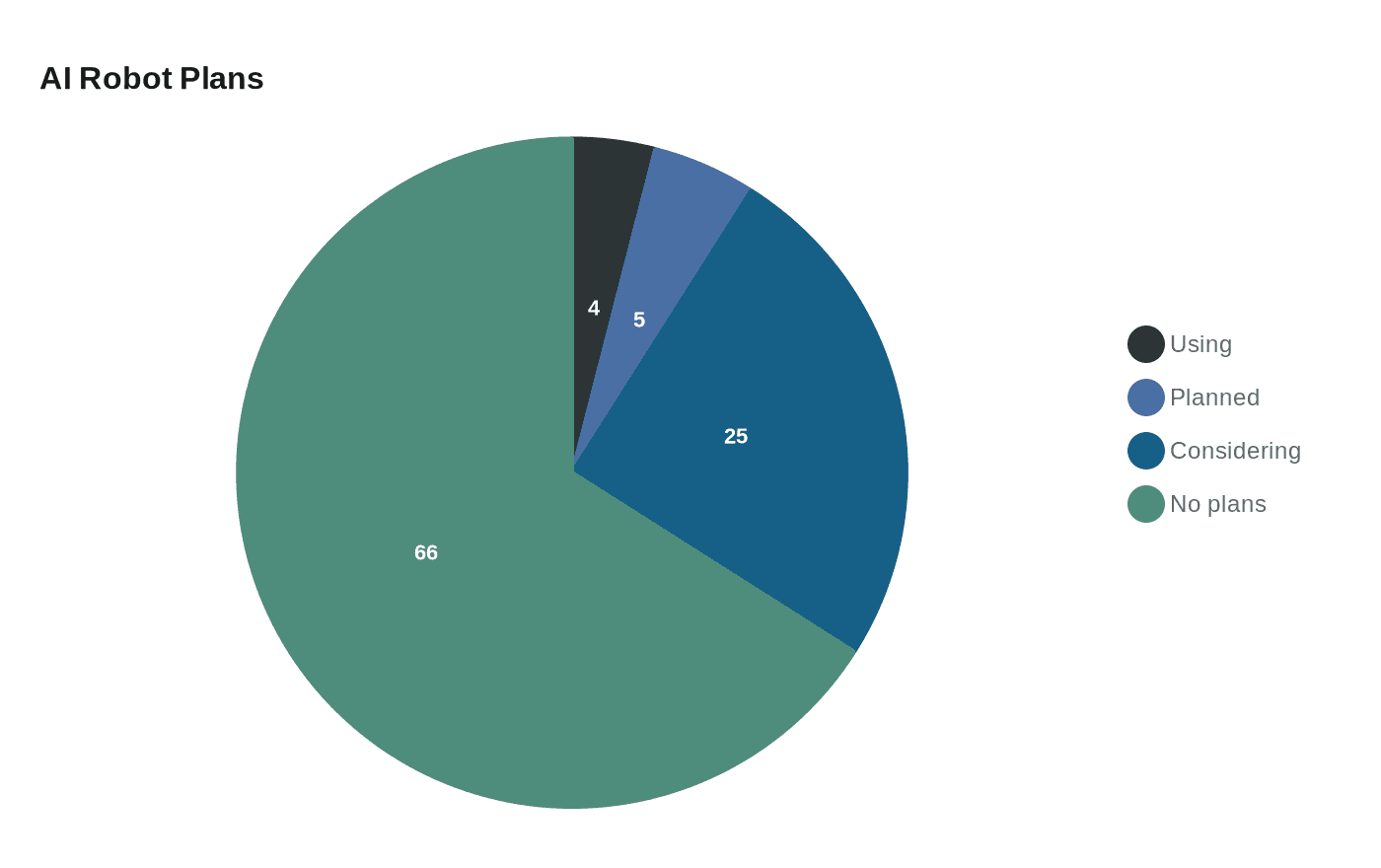
Japan's biggest robot push is coming from a labor squeeze: only 4% use AI robots now, but 29% more are planning or considering them.
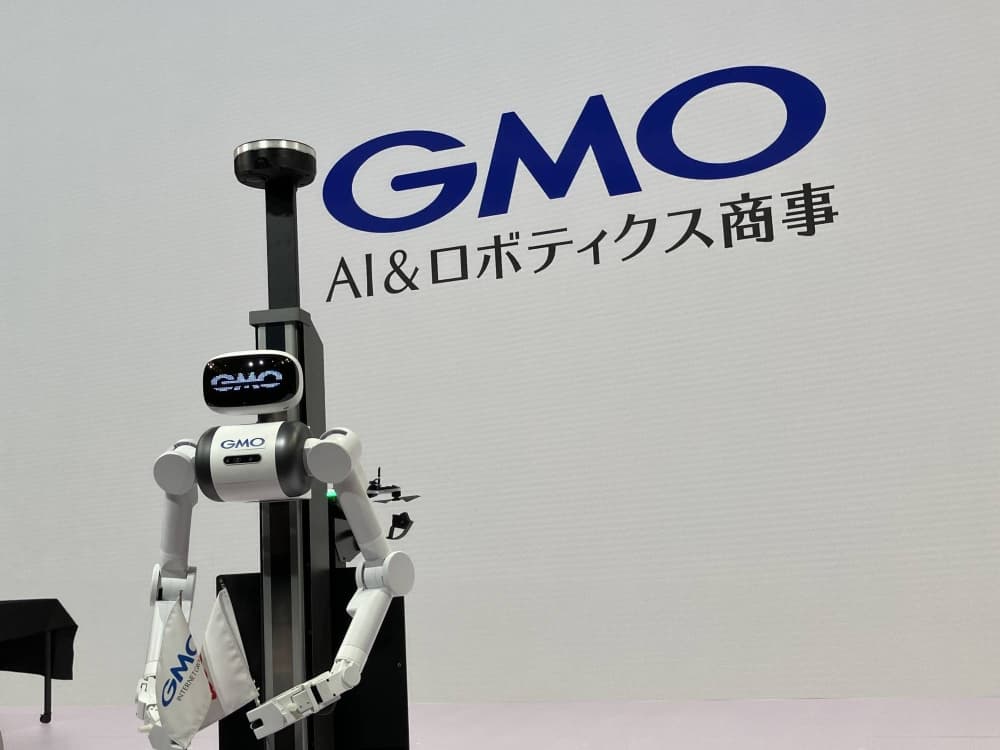
Japan’s labor shortage is moving AI robots from trial to strategy, with automakers and other transportation-equipment makers leading the shift. In a survey of 220 companies, only 4% said they were already using AI-powered robots, 5% planned to deploy them and 25% were considering them, while 66% said they had no plans.
The pressure is strongest in manufacturing, where 71% of respondents said AI robots would be most useful. Another 19% pointed to dangerous tasks and 11% to customer-facing services, underscoring that firms still see the technology primarily as a tool for hard-to-fill industrial work rather than a broad replacement for staff.
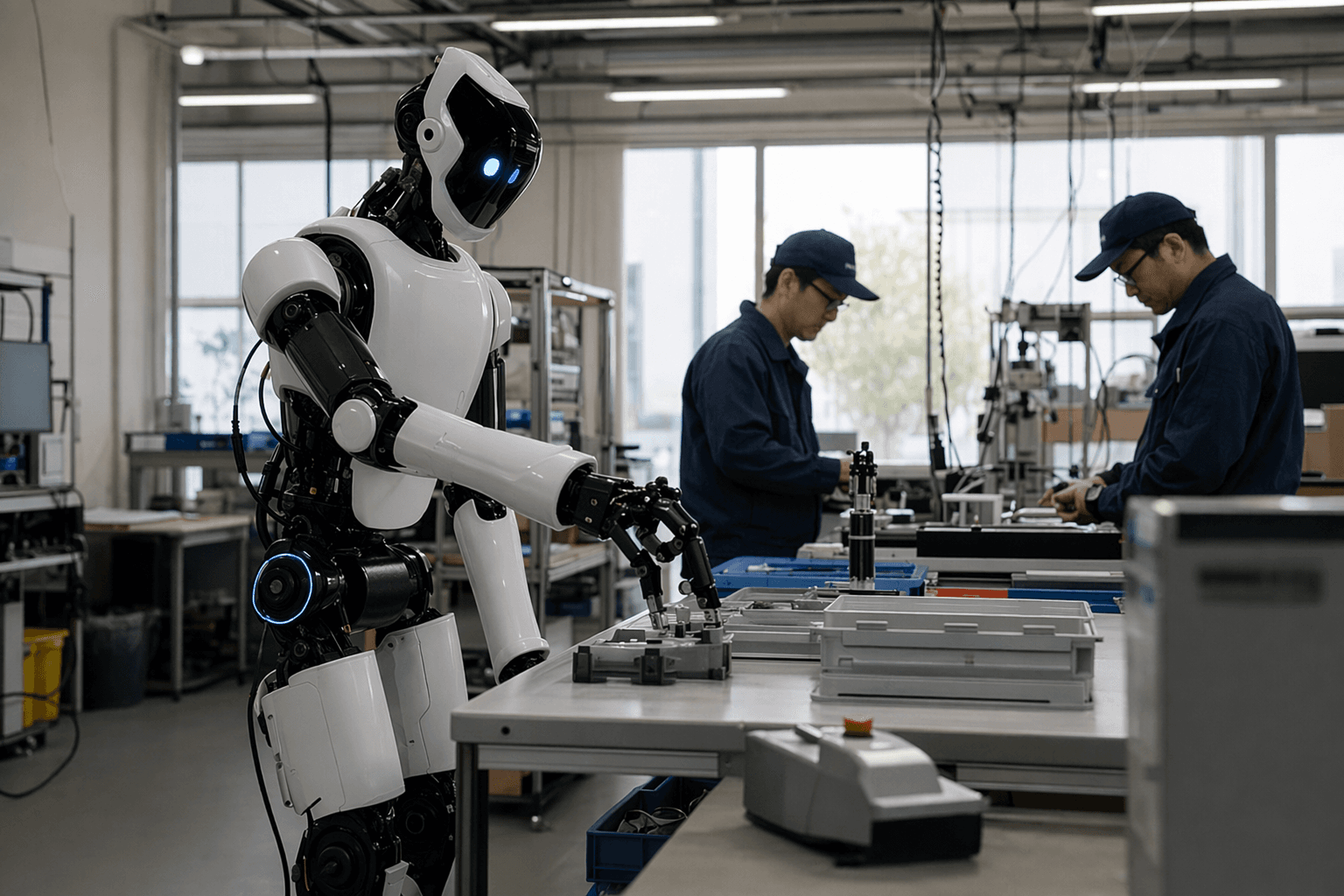
Adoption is far from even across the economy. In transportation-equipment manufacturing, 80% of companies said they were already using or looking into AI robots. The wholesale sector moved much more cautiously, with 94% reporting no plan to deploy them. That split reflects how urgently different industries are feeling Japan’s shrinking labor pool.
The broader backdrop is demographic. Japan’s government and central bank have long warned that an aging population and a smaller workforce are reshaping the labor market, and the Ministry of Health, Labour and Welfare has projected major changes in labor supply and demand through 2040. For policymakers, AI robots are not just an industrial upgrade. They are part of the effort to keep factories, logistics networks and service operations running as hiring gets harder.
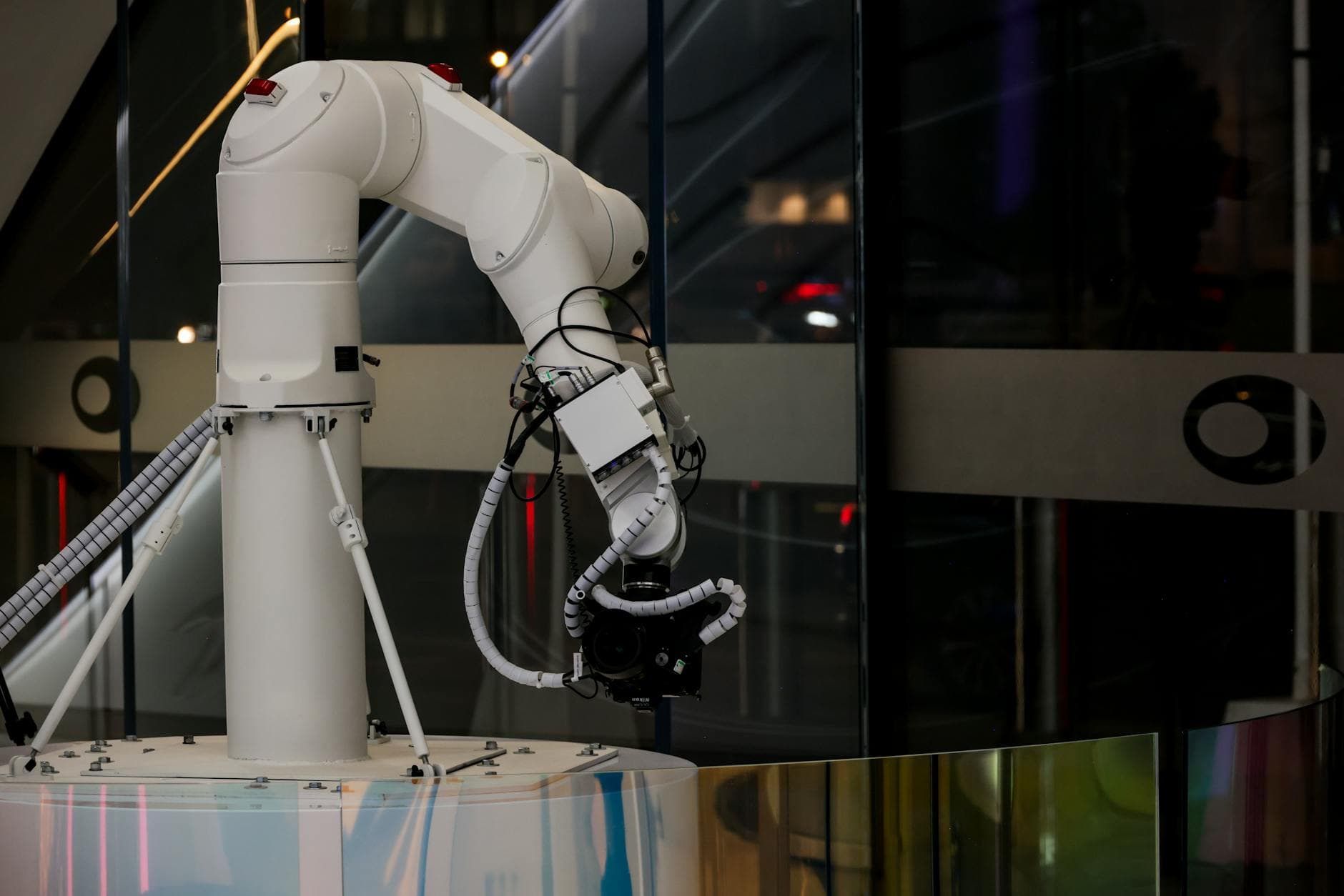
Japan already stands near the front of the global automation race. The International Federation of Robotics said 435,299 industrial robots were working in Japanese factories in 2023, with 46,106 new installations that year. Japan accounts for 38% of global robot production, and the world’s average factory robot density reached a record 162 robots per 10,000 employees in 2023.
That strength is now being tested by China and the United States, which are pushing harder into AI-enabled robots that can make operational decisions based on their surroundings instead of simply repeating preset motions. Japanese groups such as Fanuc, Yaskawa Electric and Kawasaki Heavy Industries remain central to the sector, but the competitive edge is no longer guaranteed.
The urgency is also spreading beyond factories. Japan’s logistics industry has been under strain since truck-driver overtime limits took effect in April 2024, the so-called 2024 problem, adding to the case for automation in warehousing and supply chains. A government feature in January 2025 said AI-based software was already replacing some skilled technicians in precision machining, signaling that the push is now reaching deeper into industrial work.
Know something we missed? Have a correction or additional information?
Submit a Tip