Jason Carroll's Argo Breaks Multihull Record, Edges Zoulou in Thrilling Finish
Jason Carroll's MOD70 Argo shattered the Lanzarote–Antigua multihull record, finishing in 4d 23h 51m 15s and edging Erik Maris' Zoulou by 2h 32m in a razor-close duel.
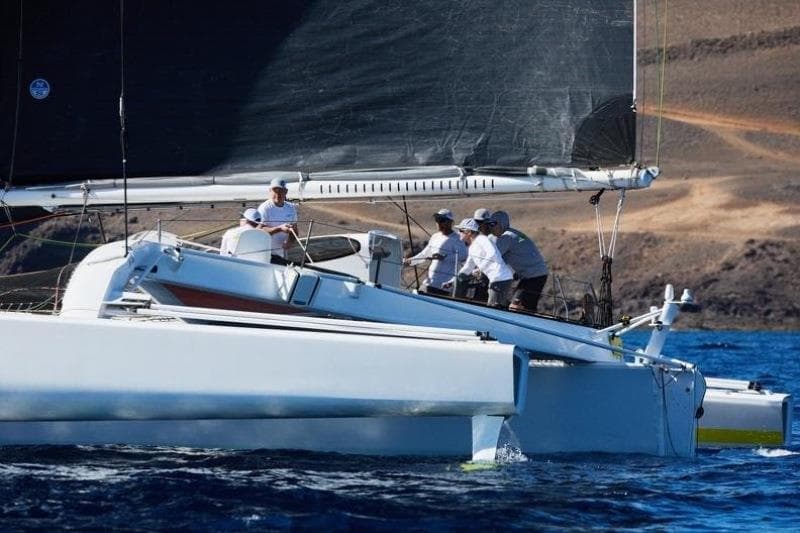
Jason Carroll’s Argo claimed Multihull Line Honours in the 2026 RORC Transatlantic Race, crossing the finish off English Harbour, Antigua, on Friday 16 January at 12:31:15 UTC and setting a new multihull race record for the Lanzarote–Antigua course of 4 days, 23 hours, 51 minutes and 15 seconds. Erik Maris’ Zoulou finished just 2 hours 32 minutes later after five days of high-speed competition, making this one of the closest multihull battles in the event’s history.
The outcome matters for owners, skippers, and shore crews because it raises the bar for offshore multihull performance and race preparation. Both MOD70s reportedly pushed averages above 30 knots at times, exposing the physical and mechanical demands of sustained high-speed ocean running. That pace turned the race into a match-race across the Atlantic, where small decisions on sail selection, routing and watch systems translated into critical gains and losses.
Race narrative was defined by sustained speed and tight margins. Argo’s record run rewrites expectations for the Lanzarote–Antigua leg, demonstrating that sub-five-day passages are now possible for top-condition MOD70 boats. Zoulou’s finish, only a couple of hours adrift, underscores the depth of competition in the class; two boats capable of those numbers mean matches will be decided by coordination, reliability and tactical routing as much as raw boat speed.
For the local Antigua sailing community and the broader multihull scene, the result brings visitors, media attention and fast-paced sailing to Caribbean waters. Owners contemplating transatlantic records and club racers planning offshore events must factor in the increased likelihood of sustained high-speed legs and the maintenance, spare parts and crew rotations that come with them. Designers and shore teams will study the race for lessons in foil setup, sail inventory and load management, while race organizers can expect renewed interest in creating courses that reward both seamanship and speed.
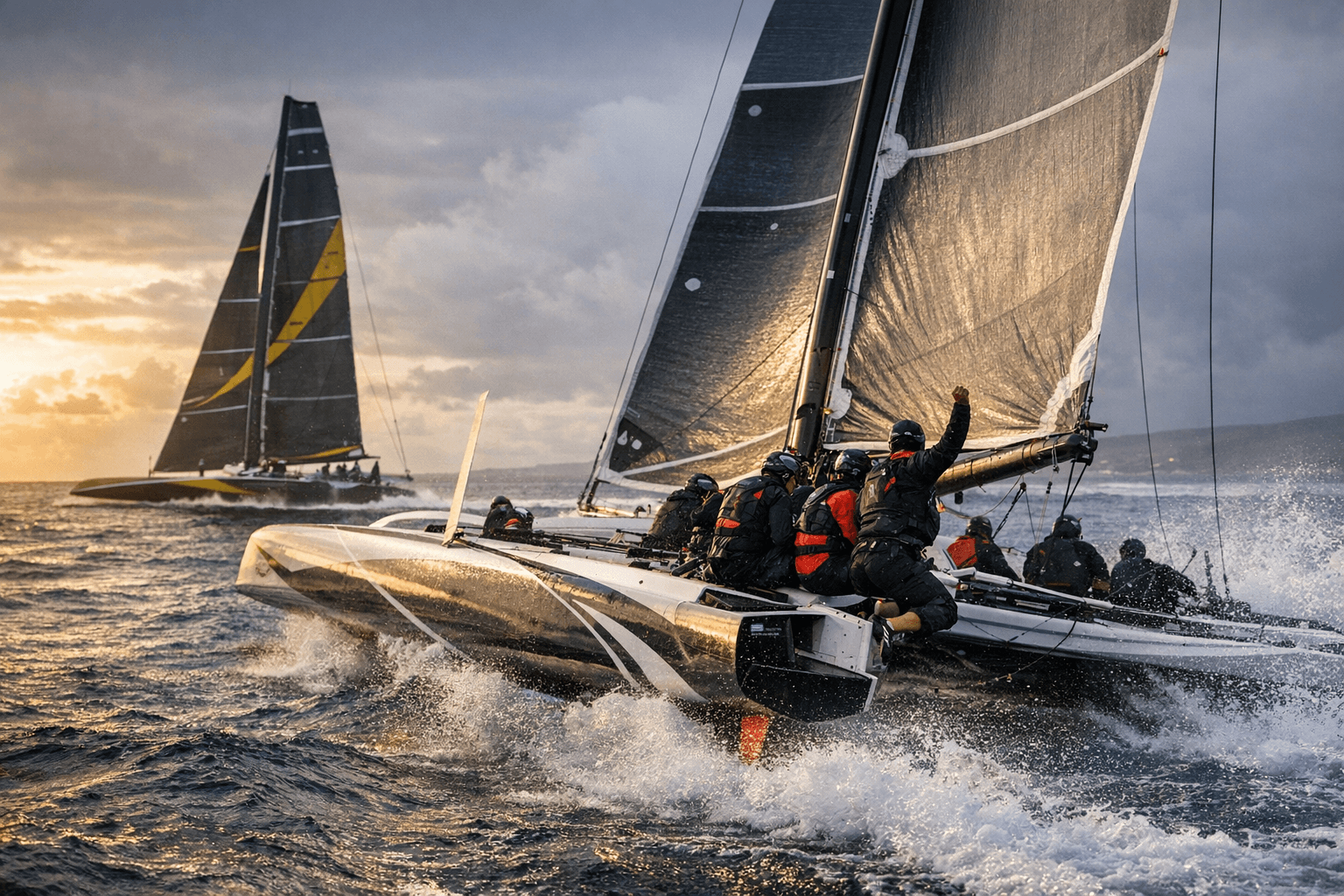
Practical takeaways are straightforward: verify rigging and load paths for repeated high-load cycles, rehearse watch transitions for boats that average 30+ knots, and treat routing choices as race-critical decisions rather than conveniences. The margin between first and second shows that tactical discipline and margin management win as often as outright speed.
What comes next is likely more scrutiny of performance data and renewed attempts to push the envelope on Atlantic records. Expect owners, designers and shore crews to pore over Argo’s run and Zoulou’s responses as they prepare for the next high-speed showdown.
Know something we missed? Have a correction or additional information?
Submit a Tip