Jean Ziegler dies at 92, Swiss critic of neoliberalism and hunger
Jean Ziegler, who forced Switzerland to confront its wealth and neutrality, died in Geneva at 92 after years as the country’s most combative dissenter.

Jean Ziegler spent his public life prying apart Switzerland’s polished self-image and the harsher realities he said it preferred not to see. The sociologist, former federal lawmaker and United Nations hunger envoy died in Geneva on June 10 at the age of 92, his family said, after complications from Parkinson’s disease.
Born Hans Ziegler in Thun in 1934, he became one of the most prominent intellectual figures of the Swiss left, and one of its most controversial. Swiss obituaries described him as committed, combative and tireless, but his notoriety came from the same source as his influence: a refusal to soften his attacks on neoliberal globalization, Swiss wealth and the political comfort built around neutrality.
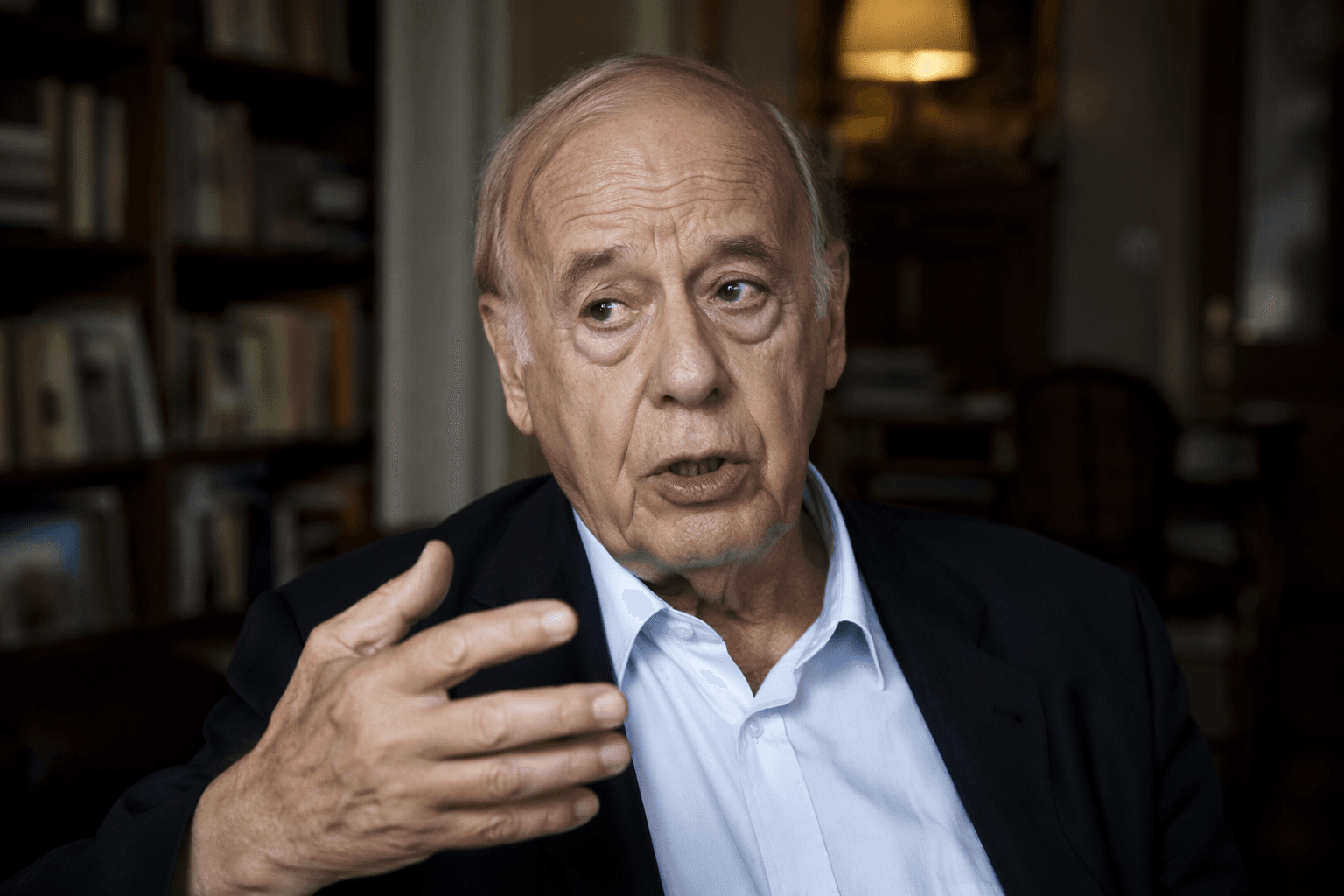
Ziegler served in the Swiss Federal Parliament from 1981 to 1999, then moved onto the world stage. In September 2000, he was named the first United Nations Special Rapporteur on the right to food, a post he held until 2008 and used to press governments on hunger, inequality and global power. He also taught at the University of Geneva and the Sorbonne, and founded the Laboratory of Sociology for the Study of Third World Societies in Geneva, placing questions of poverty and development at the center of his academic work.
That combination of scholarship and public agitation made him a national dissenter in the sharpest sense. His critics saw a relentless agitator who embarrassed a country that likes to present itself as orderly, prosperous and morally neutral. His supporters saw someone willing to say aloud what many in Swiss politics would not: that wealth does not excuse indifference, and neutrality does not erase responsibility.
The Geneva Socialist Party paid tribute to that conviction, saying he taught that neutrality never dispenses with defending human dignity and fundamental rights. It was a principle that guided both his parliamentary work and his later years as a public commentator, when he remained active in debates over social justice, hunger and Switzerland’s place in the world.
Even in death, Ziegler leaves behind the argument he made for decades: that a country’s reputation means little if it cannot face the people and places its prosperity depends on.
This article was produced by Prism’s automated news system from verified source data, official records, and press releases, then run through automated quality and moderation checks before publishing. The system is built and supervised by the people who set the standards it runs under. Read our full AI policy.
Know something we missed? Have a correction or additional information?
Submit a Tip