Russians juggle phones and VPNs as internet crackdown tightens
A Moscow interior designer flips a VPN on for WhatsApp, off for Russian Railways, then reaches for a second phone to open MAX, a snapshot of Russia's new internet ritual.
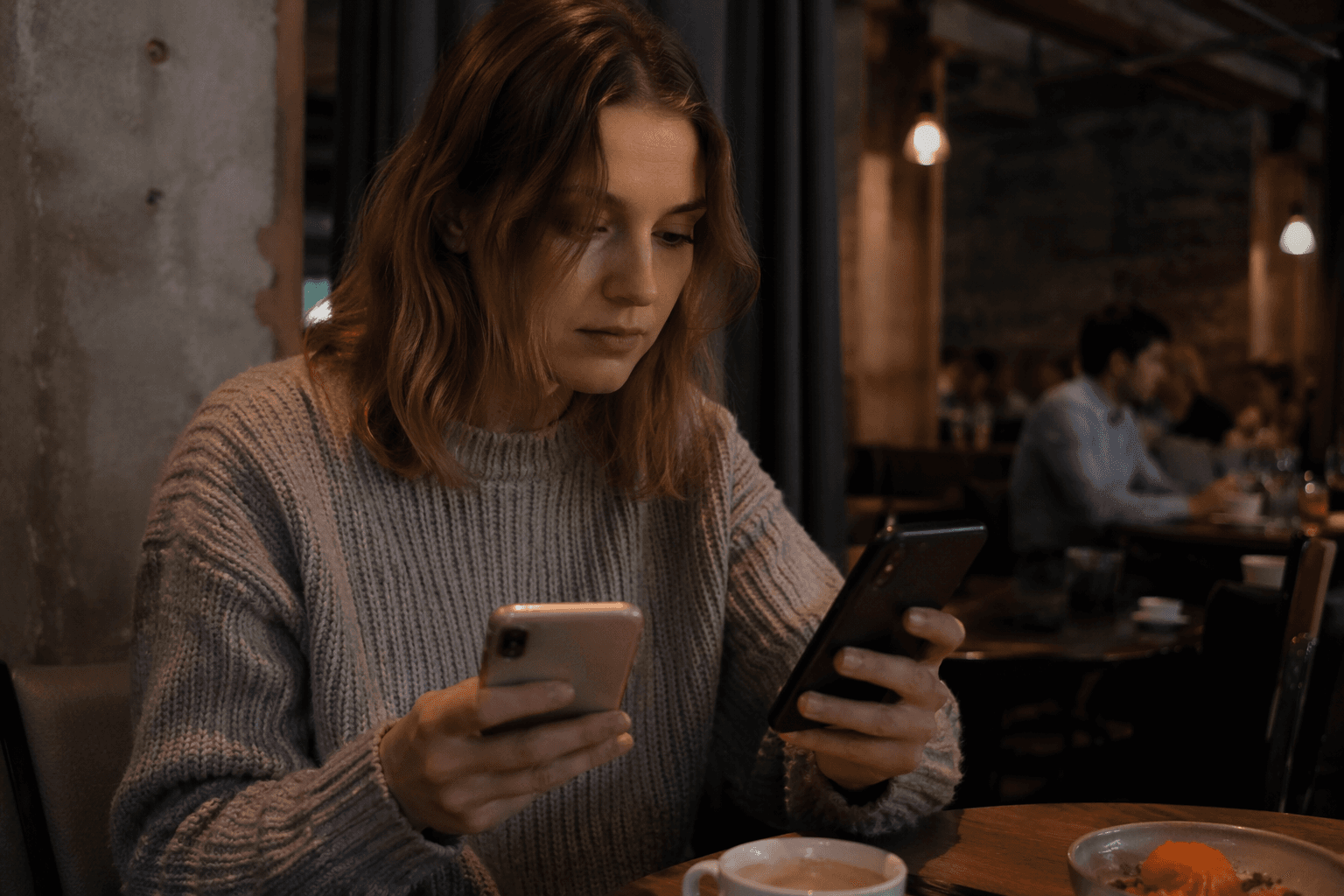
A quiet Moscow cafe has become a command center for digital improvisation. One 41-year-old interior designer, identified as Irina, used a VPN to chat with friends abroad on WhatsApp, switched it off to buy a ticket on Russian Railways, then picked up a second phone to check messages on MAX, the state-controlled app Moscow is urging Russians to use. The routine shows how ordinary tasks now depend on toggling between networks, phones and services just to stay connected.
The Kremlin tightened internet control this year, accelerating what has become the biggest crackdown of its kind under President Vladimir Putin. The pressure has not stayed online: banking, transport and e-commerce have all been disrupted at times, and the restrictions have drawn irritation ahead of a September parliamentary election from Kremlin-friendly opposition parties, prominent bloggers, business leaders and even some social-media influencers who usually avoid politics.
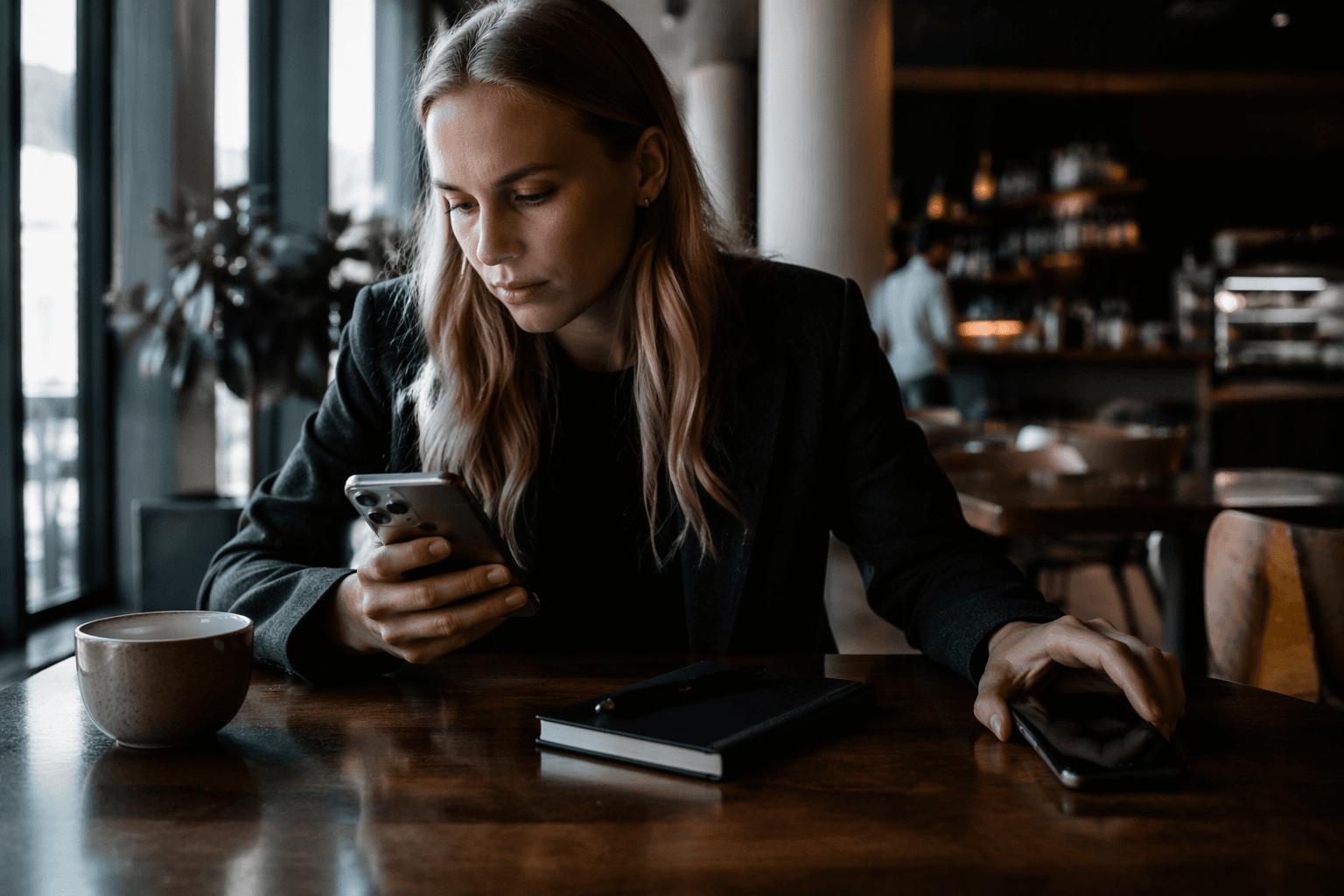
Public anger has widened beyond messaging apps. Rising prices, tax hikes and war fatigue are widely believed to have helped drag down Putin’s standing, with state pollster VTsIOM recording approval at 75.1 percent in February, 65.6 percent in April and nearly 67 percent afterward. The Kremlin frames the shift as a push for digital sovereignty, but critics and some Western tech companies warn that MAX could be used to track users, a charge VK, the app’s owner, denies. Irina said quarantining the app on a second phone felt safer, adding, "Of course this is all a huge pain in the backside, but what else can we do?"
Even the workarounds are becoming a form of civic behavior under pressure. Reuters reported 9.2 million downloads of the five most popular VPN services from Google Play in March alone, 14 times more than a year earlier, a sign that Russians are not embracing the controls so much as learning to live around them. The result is a quieter kind of adaptation, one that has turned internet access into a daily test of caution, convenience and compliance.
This article was produced by Prism’s automated news system from verified source data, official records, and press releases, then run through automated quality and moderation checks before publishing. The system is built and supervised by the people who set the standards it runs under. Read our full AI policy.
Know something we missed? Have a correction or additional information?
Submit a Tip