Ofcom urges low-income households to claim cheaper broadband and phone tariffs
Ofcom says millions on benefits could shave around £200 a year off broadband and phone bills, but in 2023 only 5% of eligible households had signed up.

Low-income households on Universal Credit, Pension Credit and some other benefits are being urged to check whether they qualify for cheaper broadband and phone tariffs, with Ofcom saying the discounts can act as a safety net for people struggling to pay for essential communications. Some providers also let customers leave their current contract without a penalty fee if they switch to a social tariff, a change that can make the savings immediate rather than delayed until the end of a fixed deal.
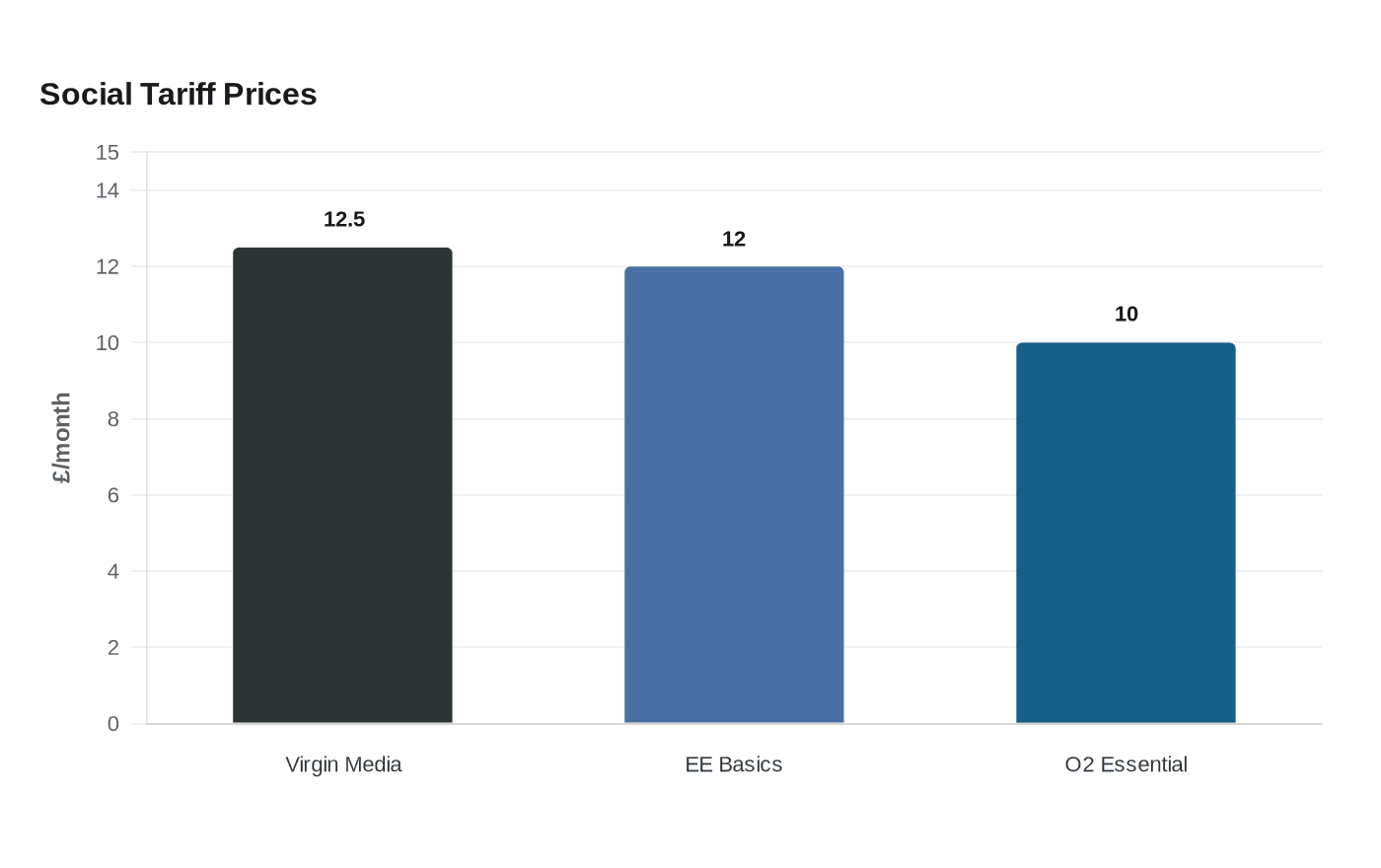
Ofcom defines social tariffs as cheaper broadband and phone packages delivered in the same way as standard services, just at a lower price. Eligibility usually includes means-tested support such as Universal Credit, Pension Credit, Income Support, Jobseeker’s Allowance and Employment and Support Allowance, although the exact rules vary by provider. Major offers now include BT’s Home Essentials broadband, Virgin Media’s Essential Broadband, Vodafone Essentials Broadband and EE Basics for mobile customers. Virgin Media says its broadband social tariff starts from £12.50 a month, EE Basics costs £12 a month on a SIM-only basis and can be cancelled anytime, and Virgin Media O2’s O2 Essential Plan costs £10 a month for 10GB of data plus unlimited calls and texts.

The problem is not access alone but awareness. Ofcom has said social tariffs for fixed and mobile broadband have been available in growing numbers since December 2020, yet take-up has stayed low. In April 2023, the watchdog said more than half of low-income households were unaware of the deals and only 5% of eligible households were signed up to a broadband social tariff. Ofcom later reported that 532,000 UK customers were taking social broadband and mobile tariffs in June 2025, up from 506,000 the year before, but still below 10% of those eligible. The numbers suggest the biggest barrier is not price but the gap between help that exists and households that know to ask for it.
The same pattern is visible in water bills. The Consumer Council for Water said around 2 million households in England and Wales were receiving lower bills through water companies’ social tariff schemes in 2024-25, with average reductions of about £190, while 260,800 metered households were getting help through WaterSure. Even so, around 2.85 million households were in arrears. Water UK said more than 3 million households will receive reduced bills and other financial support worth up to £4.1 billion over the next five years, and the UK government said around 300,000 low-income households will see lower water bills after an overhaul of WaterSure. In both telecoms and water, the challenge is no longer whether relief exists, but whether the households that need it most are actually claiming it.
This article was produced by Prism’s automated news system from verified source data, official records, and press releases, then run through automated quality and moderation checks before publishing. The system is built and supervised by the people who set the standards it runs under. Read our full AI policy.
Know something we missed? Have a correction or additional information?
Submit a Tip