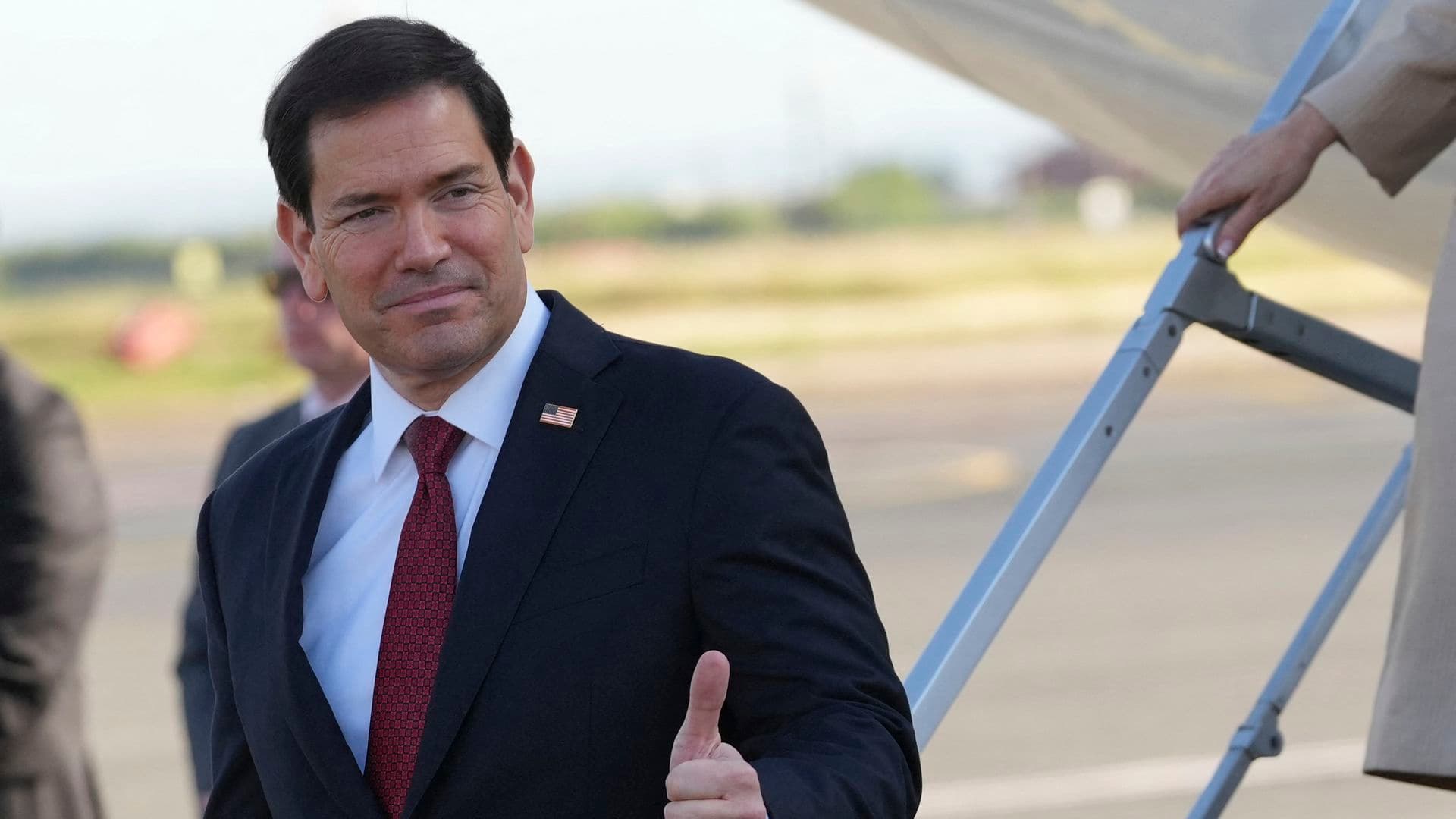
Jeff Merkley seeks fourth term in Oregon Senate race
Merkley won his fourth-term primary with ease, but Jackson County and a few eastern pockets showed the only real resistance inside Oregon Democrats' base.
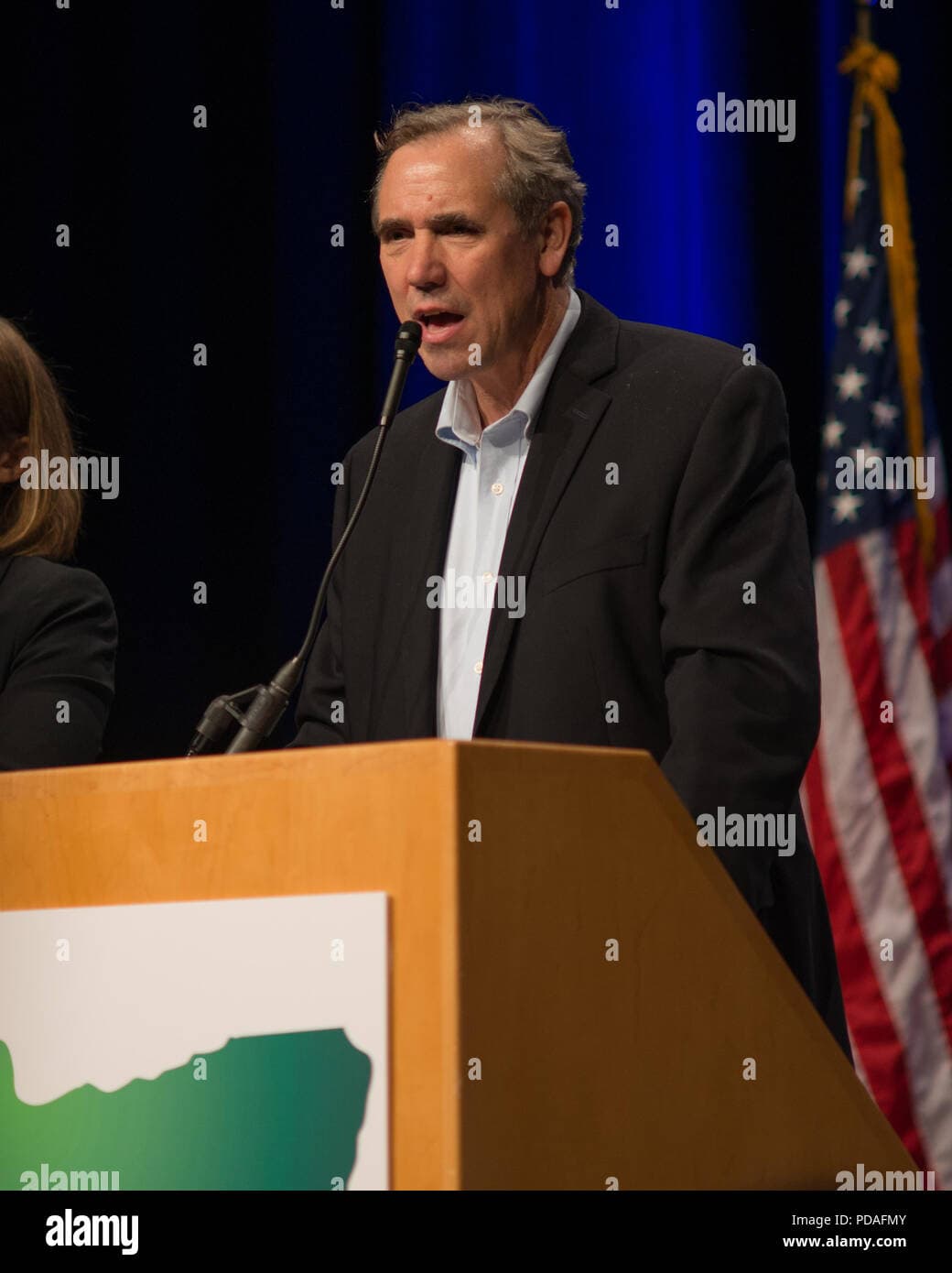
Jeff Merkley turned Oregon’s Democratic Senate primary into a rout, taking 269,154 votes, or 93.54 percent, to Paul Damian Wells’ 16,973, while the state’s unofficial results page showed 733,390 ballots counted and turnout at 23.75 percent among 3,088,145 active registered voters. Ballots had to be returned by 8 p.m. local time on May 19, and the results will not be certified until June 25.
Merkley’s margin reflected the strength of an incumbent who has been in the Senate since 2009 and was last elected in 2020. He announced on July 10, 2025 that he would seek a fourth term, saying, “I’m running for reelection because we have to save our republic,” and arguing that he and Mary Sorteberg stayed in the race because of the threat he described as a “strong man state.” Merkley, 68, has held more than 500 town halls across Oregon’s 36 counties, and he now serves as the top Democrat on the Senate Budget Committee while also sitting on Appropriations, Environment and Public Works, Rules, Foreign Relations, and the Congressional-Executive Commission on China.
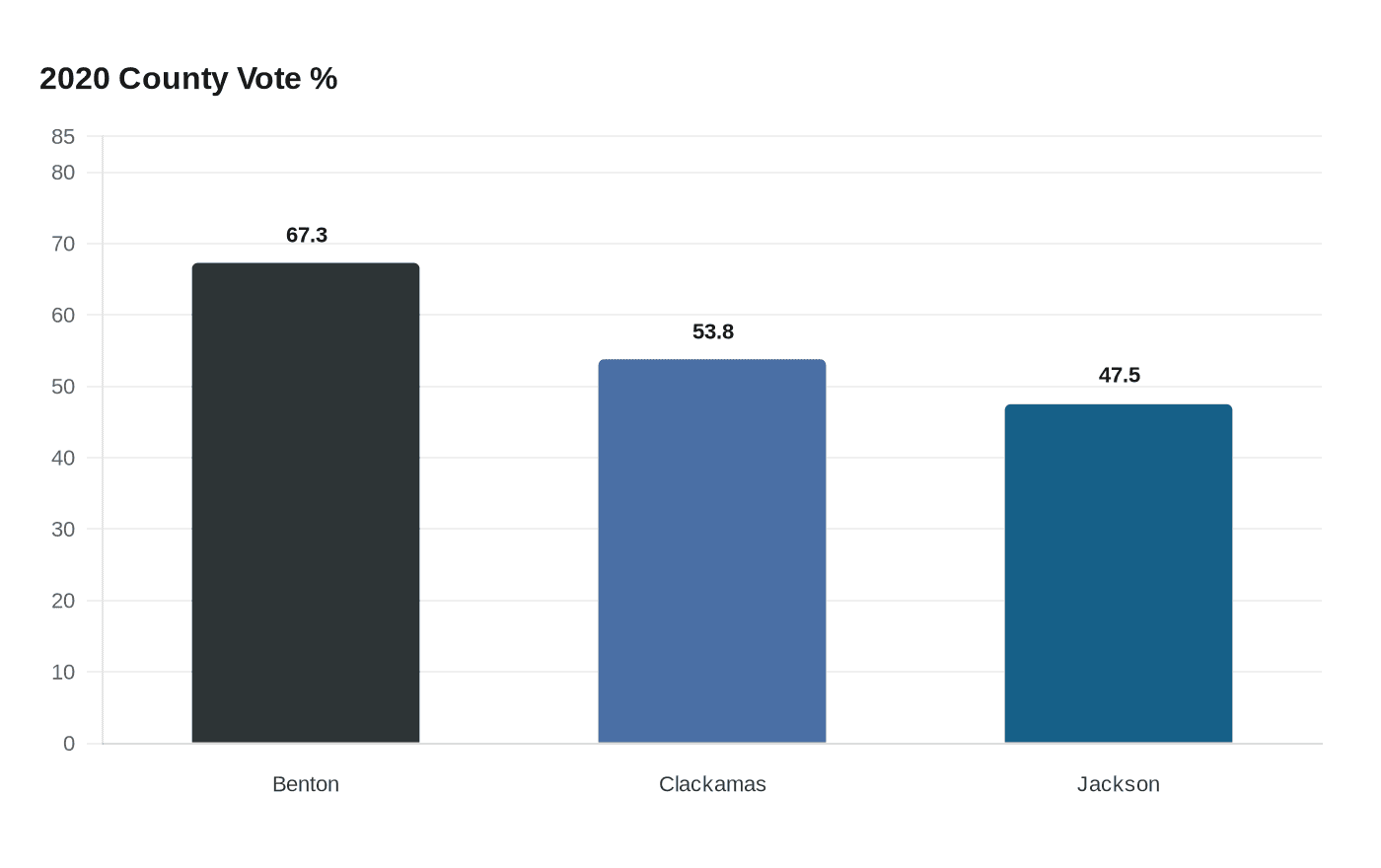
The county map showed where Oregon’s Democratic coalition still holds and where it frays. Merkley piled up big totals in Benton, Clackamas and Lane counties, while Jackson County was almost even at 10,034 votes for Merkley and 10,405 for Wells, and Wells also ran ahead in Morrow and Malheur. Those same fault lines have marked Merkley’s broader statewide politics for years: in the 2020 general election, he won Benton with 67.3 percent and Clackamas with 53.8 percent, but Jackson was much closer at 47.5 percent, a sign that southern Oregon and parts of the east remain the least settled ground for Democrats.
The Republican primary was more fractured, with seven candidates on the ballot and David Brock Smith leading at 65,372 votes, or 30.42 percent, followed by Jo Rae Perkins at 54,835 and 25.52 percent. The Senate contest sat atop a wider ballot that also included a competitive governor’s race, a measure tied to gas-tax and vehicle-fee increases, and reelection bids from all six of Oregon’s House members. Merkley enters the fall with the advantages of incumbency and infrastructure, but the county returns suggest that Oregon’s political center is still stable enough for him and just restless enough to keep an eye on.
Know something we missed? Have a correction or additional information?
Submit a Tip