Justice Department grants Trump family audit immunity, creates $1.8 billion fund
The Justice Department ended Trump’s IRS fight and created a $1.776 billion compensation fund, a structure now drawing alarm over precedent and power.
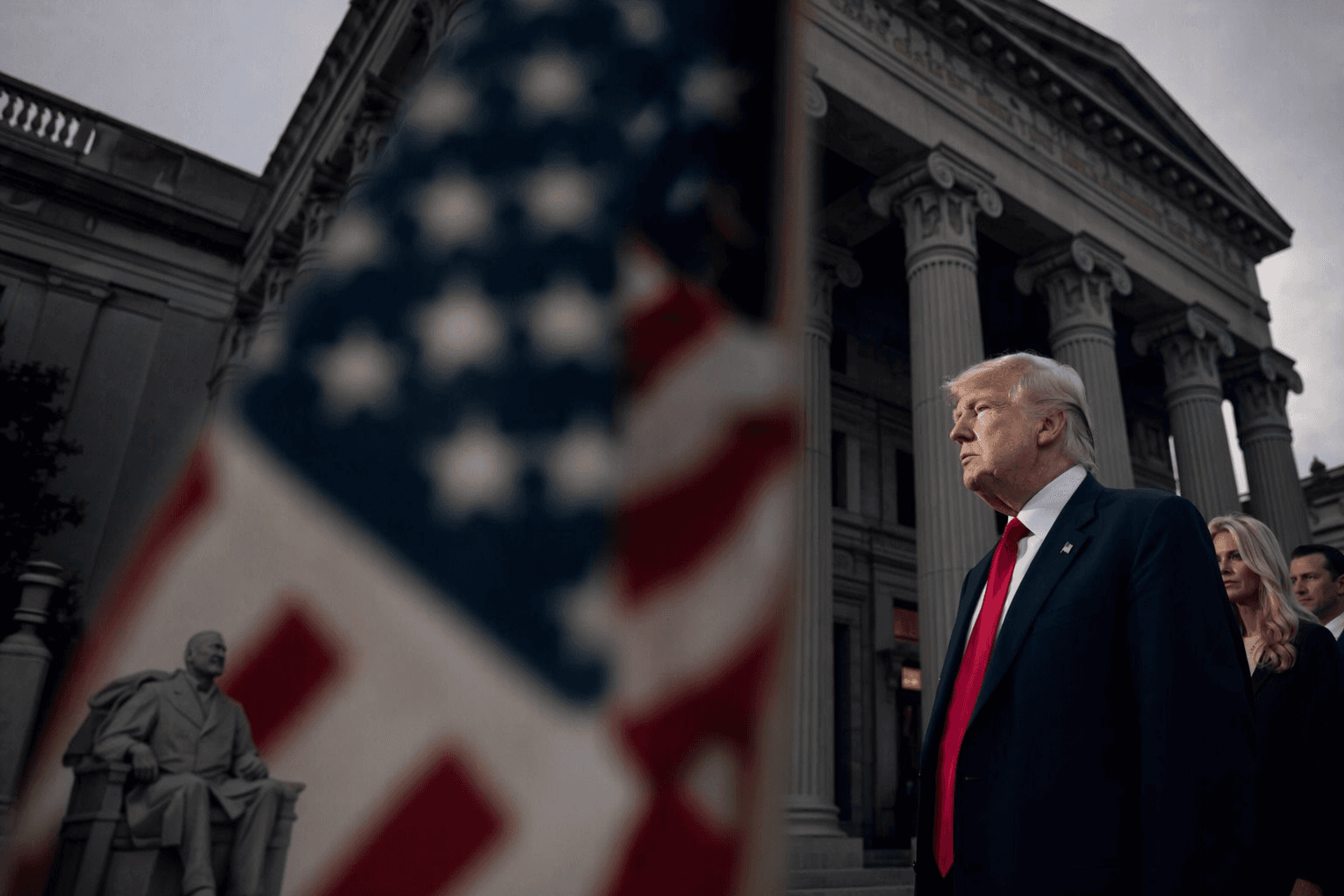
The Justice Department has ended Donald J. Trump’s IRS case with a settlement that paired a formal apology and no cash for the Trump family with a new $1.776 billion fund for claims of government “weaponization.” The arrangement goes far beyond resolving one tax dispute: it creates a taxpayer-backed compensation mechanism inside the executive branch, then hands it to a commission controlled by the attorney general.
The settlement announced Monday, May 18, 2026, in President Donald J. Trump v. Internal Revenue Service covered Donald J. Trump, Donald Trump Jr., Eric Trump, and the Trump Organization, LLC. The department said the family sued after the leak of their tax returns. In exchange for dropping the case with prejudice and withdrawing two administrative claims tied to the Mar-a-Lago search and the Russia-collusion investigation, the plaintiffs will receive a formal apology but no monetary payment or damages.
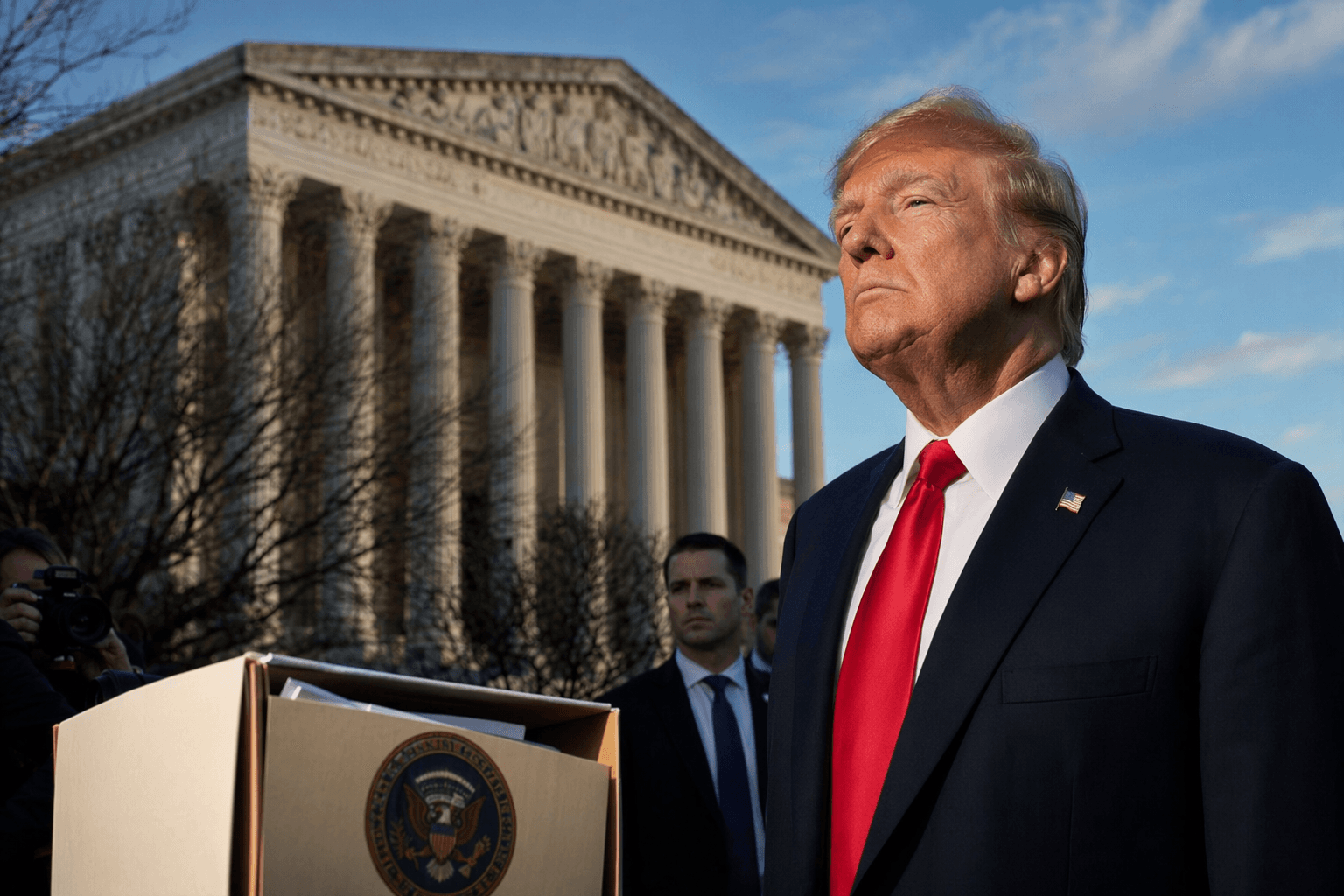
The new Anti-Weaponization Fund will receive $1.776 billion from the federal judgment fund. Justice Department officials said it may issue formal apologies and monetary relief, will submit quarterly reports to the attorney general, and will stop processing claims no later than December 1, 2028. Any money left over will revert to the federal government. The department pointed to the Obama-era Keepseagle settlement as precedent, but critics say the comparison only sharpens how unusual this case is.
The underlying IRS lawsuit was filed on January 29, 2026, and sought at least $10 billion in damages under a statute covering unauthorized disclosure of tax information. The case was voluntarily dismissed two days before a court deadline on jurisdiction, and U.S. District Judge Kathleen M. Williams later closed it, saying the court had been stripped of jurisdiction after the settlement was not docketed.
The political fallout has been immediate. At a Senate Appropriations subcommittee hearing on May 19, acting Attorney General Todd Blanche defended the fund while Senate Republicans, including Majority Leader John Thune, questioned it. Thune said he was “not a big fan” of the arrangement. Susan Collins, Jerry Moran, and Lisa Murkowski pressed Blanche for details, while Blanche suggested that even Hunter Biden could apply and did not rule out claims from Jan. 6 rioters convicted of assaulting police.
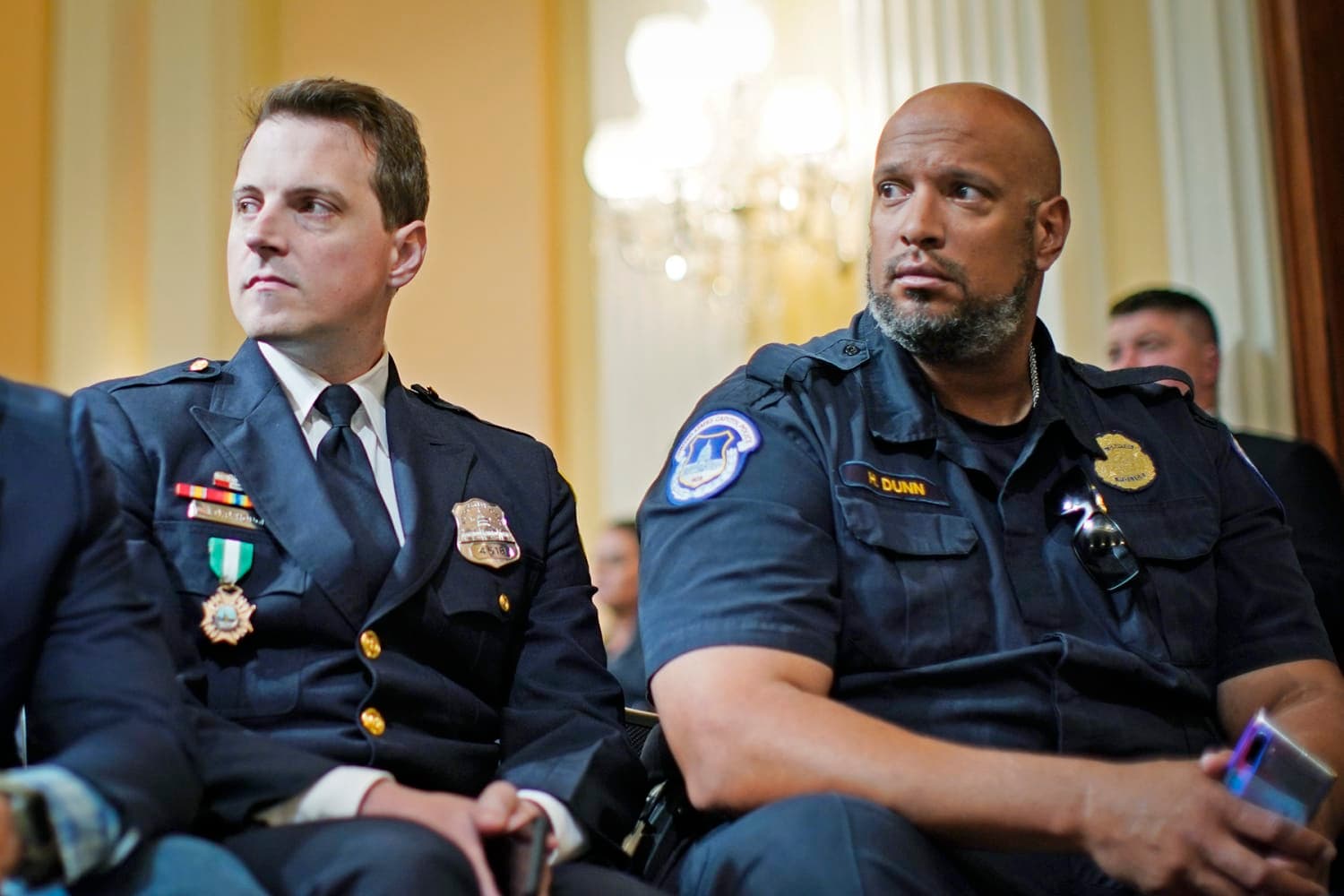
House Democrats led by Jamie Raskin, Joe Neguse, Richard Neal, and Hakeem Jeffries filed an amicus brief signed by 93 members of Congress urging dismissal for lack of jurisdiction and warning against what they called a taxpayer-funded, unconstitutional self-dealing settlement. Two Capitol Police officers have also sued to block any payouts to Jan. 6 rioters. The central question now is not only what this deal means for Trump, but whether future presidents will try to turn agencies meant to police them into instruments for their own compensation.
Know something we missed? Have a correction or additional information?
Submit a Tip