Justice Department settlement bars IRS from pursuing Trump tax disputes
The Justice Department locked the IRS out of Trump’s old tax fights, a move critics say could set a dangerous precedent for presidential audit independence.

The Justice Department’s latest settlement went beyond a leak case and drew a hard line around Donald Trump’s tax records, barring the Internal Revenue Service from pursuing existing disputes over pre-agreement returns for Trump, his family and his companies.
The addendum, signed Monday, May 19, 2026, by Acting Attorney General Todd Blanche, said the IRS is “forever barred and precluded” from pursuing examinations of tax returns filed before the deal. The protection stretches to Trump, his family members, the Trump Organization, and related trusts, affiliates and subsidiaries. The department said the language is meant to stop either side from reopening claims that could have been raised before, and said the restriction applies only to existing audits and claims, not future ones.
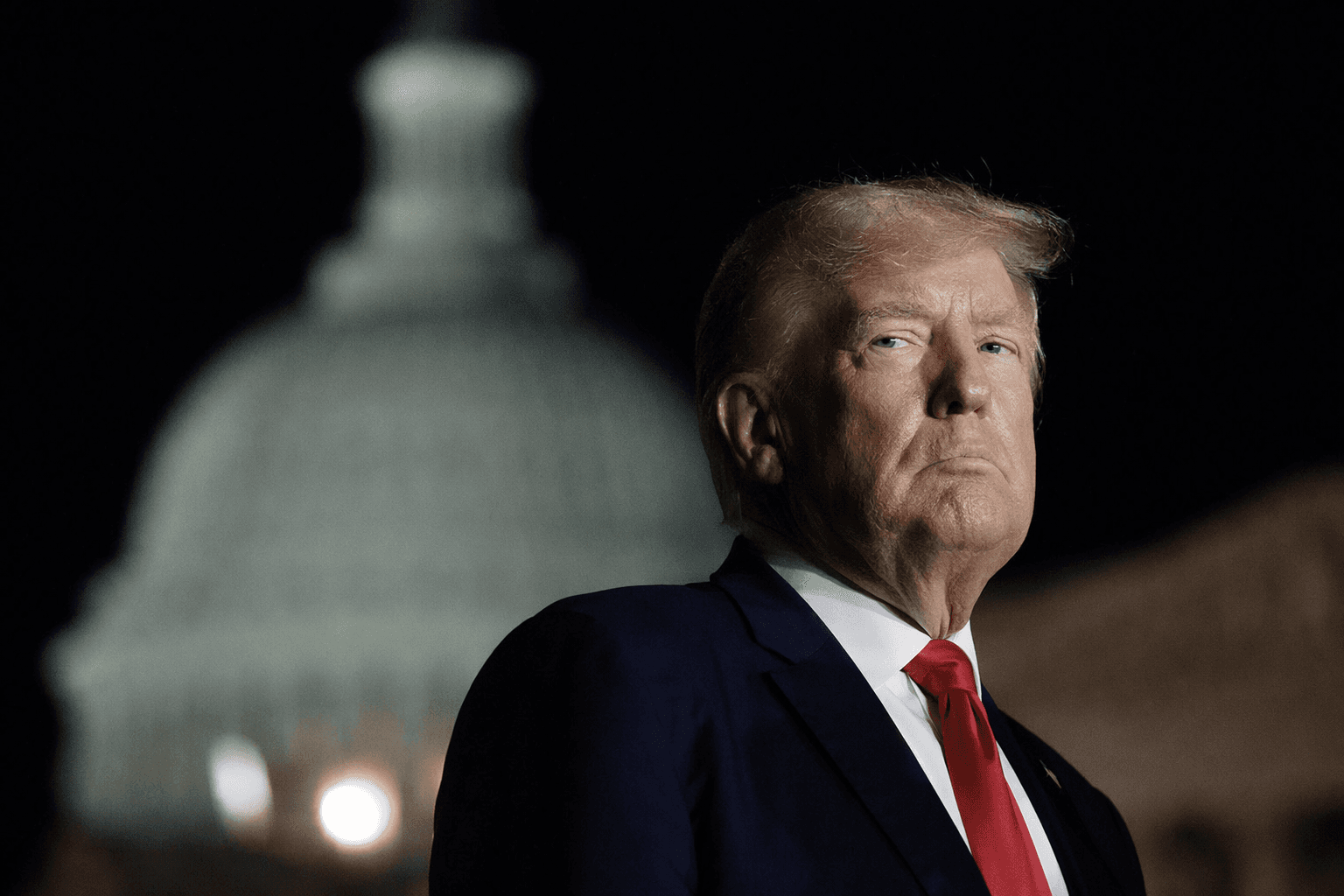
The move effectively shuts down a set of long-running tax disputes that Trump had repeatedly described as tied up in audits. It also resolved the separate $10 billion lawsuit Trump, Donald Trump Jr., Eric Trump and the Trump Organization brought against the IRS and Treasury Department over the alleged leak of Trump’s tax returns. The original nine-page settlement created a nearly $1.8 billion Anti-Weaponization Fund, but did not mention the tax fight until the addendum was added.
The policy implications are immediate. Congress had already documented that the IRS failed to pursue mandatory audits of Trump on a timely basis during his presidency, and a House Ways and Means Committee report said the service did not begin auditing his 2016 return until April 3, 2019, more than two years into his term. That report described the process as “dormant, at best.” Separate congressional reporting showed Trump’s federal returns for 2015 through 2020 reflected negative income in several years, that he paid just $1,500 in federal income taxes for 2016 and 2017 combined, and that he and Melania Trump paid no federal income tax in 2020 while claiming a $5.47 million refund.
The backlash was swift. Former IRS Commissioner John Koskinen called the expanded deal a “terrible precedent” and warned it could amount to a windfall for Trump. Senate Finance Committee Chairman Ron Wyden said the settlement provision violates federal law that bars executive-branch interference in IRS audits, and accused the administration of rushing through a politically charged arrangement before a court could intervene.
For the IRS, the question now is not just what this settlement closes, but what it signals. If a sitting president can use a Justice Department agreement to shut down pending tax disputes tied to his own returns and family entities, future administrations may face sharper fights over whether tax enforcement still operates at arm’s length from power in Washington.
Know something we missed? Have a correction or additional information?
Submit a Tip