Karachi mall inferno exposes years of ignored warnings and locked exits
Survivors and documents show the Gul Plaza fire killed dozens and left others missing after years of ignored safety warnings, locked exits and delayed emergency response.
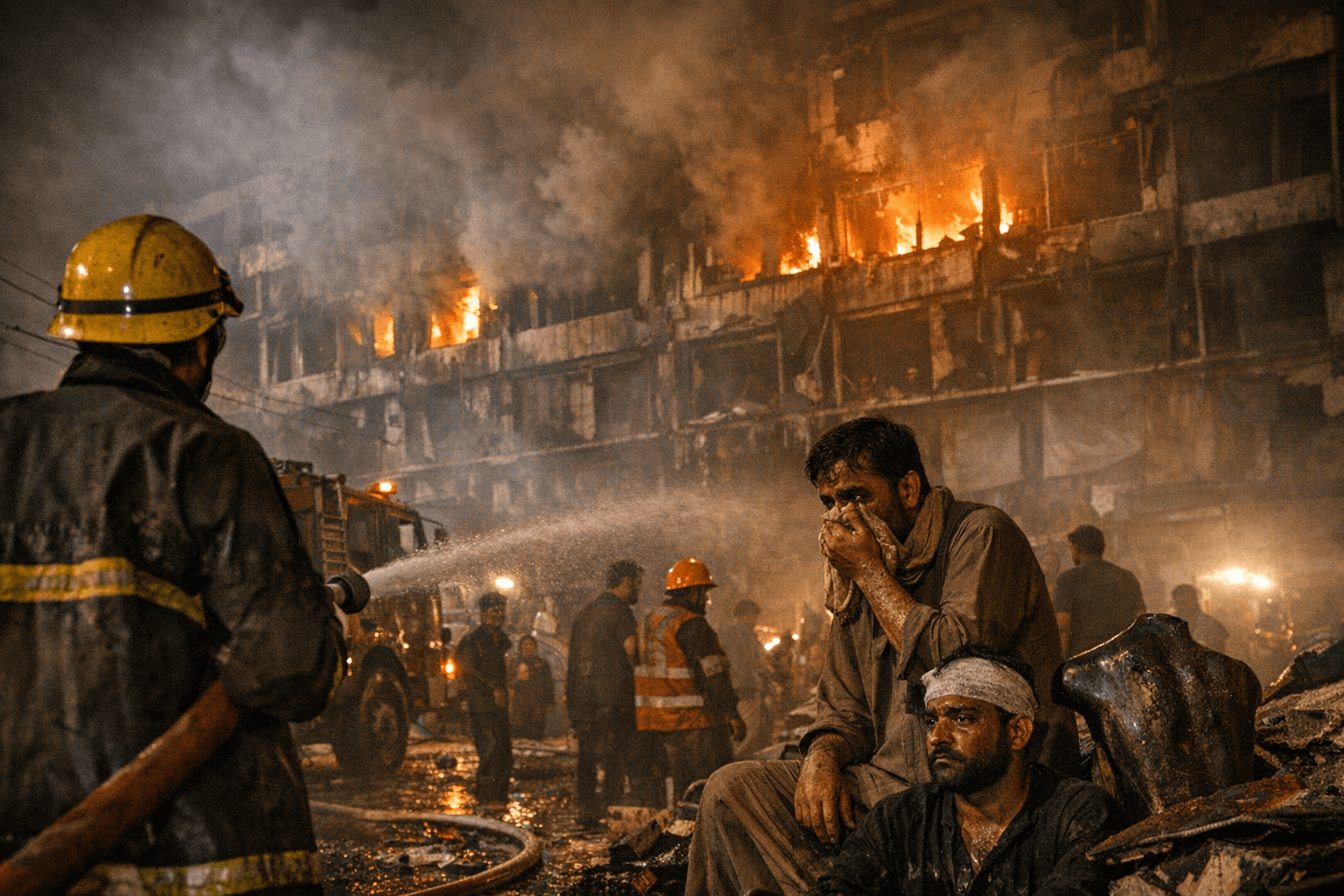
Survivors and official documents show the massive fire at Gul Plaza shopping mall in Karachi killed dozens and left others missing after years of ignored safety warnings, locked emergency exits and a delayed response by rescue services. The emerging picture underscores systemic failures in enforcement and oversight that turned a commercial complex into a death trap.
Those who escaped describe chaotic scenes of smoke and confusion punctuated by blocked escape routes. Survivors say they struggled to find open stairwells and that some doors intended for emergency use were locked or obstructed, slowing evacuation. Documents reviewed by investigators detail repeated notices and warnings about fire safety shortcomings, suggesting regulators had flagged risks long before the blaze.
Emergency responders faced daunting conditions when they reached the site, and the delayed arrival of specialized rescue teams compounded the danger for those trapped inside. The combination of physical barriers to exit and a slow, overwhelmed response contributed to high casualties and a substantial number of people still unaccounted for.
The incident has sharply exposed gaps between written regulation and practical enforcement. Building safety codes and fire regulations exist on paper in Pakistan, but this tragedy highlights how lack of routine inspections, weak penalties for violations and the informal mechanisms that shape urban development can leave residents and shoppers exposed. The mall, a busy retail hub, had operated even as records indicate repeated interventions were recommended but not effectively followed through.
Families of the victims and survivors are demanding answers as investigators pore over inspection records, maintenance logs and communications between building managers and municipal officials. The focus of inquiries will likely include who had authority over safety compliance, why previous warnings were not acted upon and whether criminal negligence played a role in permitting the mall to operate under unsafe conditions.
Beyond local accountability, the fire raises broader concerns about urban governance in fast-growing cities across South Asia and the Middle East where commercial development often outpaces regulatory capacity. Internationally accepted fire safety standards emphasize unobstructed egress routes, active suppression systems and coordinated emergency planning. Where those elements are absent, the potential for rapid escalation from an indoor blaze to a mass-casualty event rises steeply.
The tragedy will reverberate through Karachi’s business community and the Pakistani diaspora, prompting scrutiny from investors and humanitarian groups focused on urban risk reduction. It also adds pressure on municipal and provincial governments to translate regulatory frameworks into tangible protections, including unannounced inspections, stronger enforcement measures and clearer liability for management failures.
As survivors continue to account for the missing and families prepare for funerals, the immediate need is for a transparent and thorough investigation that identifies responsibilities and prevents future loss of life. The fire at Gul Plaza is not solely a local calamity; it is a stark reminder that legal standards mean little without enforcement, and that urban prosperity depends on the routine, sometimes mundane work of keeping people safe.
This article was produced by Prism’s automated news system from verified source data, official records, and press releases, then run through automated quality and moderation checks before publishing. The system is built and supervised by the people who set the standards it runs under. Read our full AI policy.
Did this article answer your question?


