Ketamine Queen Faces Decades in Prison for Matthew Perry's Fatal Overdose
Jasveen Sangha, who admitted selling the 51 vials of ketamine that killed Matthew Perry, faces up to 65 years in federal prison at her long-delayed sentencing today.
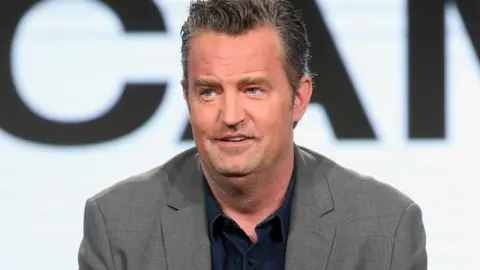
The woman known as the "Ketamine Queen" is set to be sentenced Wednesday for providing the ketamine that killed Matthew Perry. Sangha faces a maximum sentence of 65 years in prison, and the proceeding will close the most scrutinized chapter of a federal investigation that stretched from a Pacific Palisades hot tub to the heart of Los Angeles's underground drug supply network.
Sangha admitted in a plea agreement to working with another dealer to provide the "Friends" actor with dozens of vials of ketamine, including the dose that led to his fatal overdose in October 2023 at the age of 54. She pleaded guilty to one count of maintaining a drug-involved premises, three counts of distribution of ketamine, and one count of distribution of ketamine resulting in death or serious bodily injury. Sangha is the only one of the five defendants whose plea deal included an acknowledgment of causing Perry's death, and is likely to get the stiffest sentence of the group by far. Prosecutors are asking a federal judge in Los Angeles to sentence the 42-year-old Sangha to 15 years in prison.
Prosecutors stated that the specific dose responsible for Perry's death came from one of the vials Sangha sold. When news of the actor's death broke, Sangha reportedly contacted co-defendant Erik Fleming, and the two deleted their Signal message exchanges. During one transaction involving 25 vials, she included ketamine-infused lollipops as a bonus. Prosecutors cast her in court filings as a "Ketamine Queen" who ran an elaborate drug operation catering to high-end clients.
Five people were charged federally in connection with Perry's death. Four pleaded guilty: Perry's personal physician Dr. Salvador Plasencia, live-in personal assistant Kenneth Iwamasa, sober companion Erik Fleming, and Dr. Mark Chavez, a physician who sourced ketamine. Sangha entered her own guilty plea on September 3, 2025 for five federal charges. Her sentencing was initially set for December 2025, then rescheduled to February 2026, and rescheduled again to April 8.
Perry had been receiving ketamine legally, prescribed in controlled amounts for depression, but later sought quantities beyond what his doctors authorized. Court documents trace his efforts through multiple clinicians and then to a dealer. That dealer was Sangha. The Los Angeles County Medical Examiner ruled Perry's cause of death as "the acute effects of ketamine," with drowning, coronary artery disease, and buprenorphine effects listed as contributing factors. Perry was 54 and had written openly about his addiction struggles in his 2022 memoir, "Friends, Lovers, and the Big Terrible Thing," published just one year before his death. He played Chandler Bing on NBC's "Friends" for all ten seasons from 1994 to 2004.
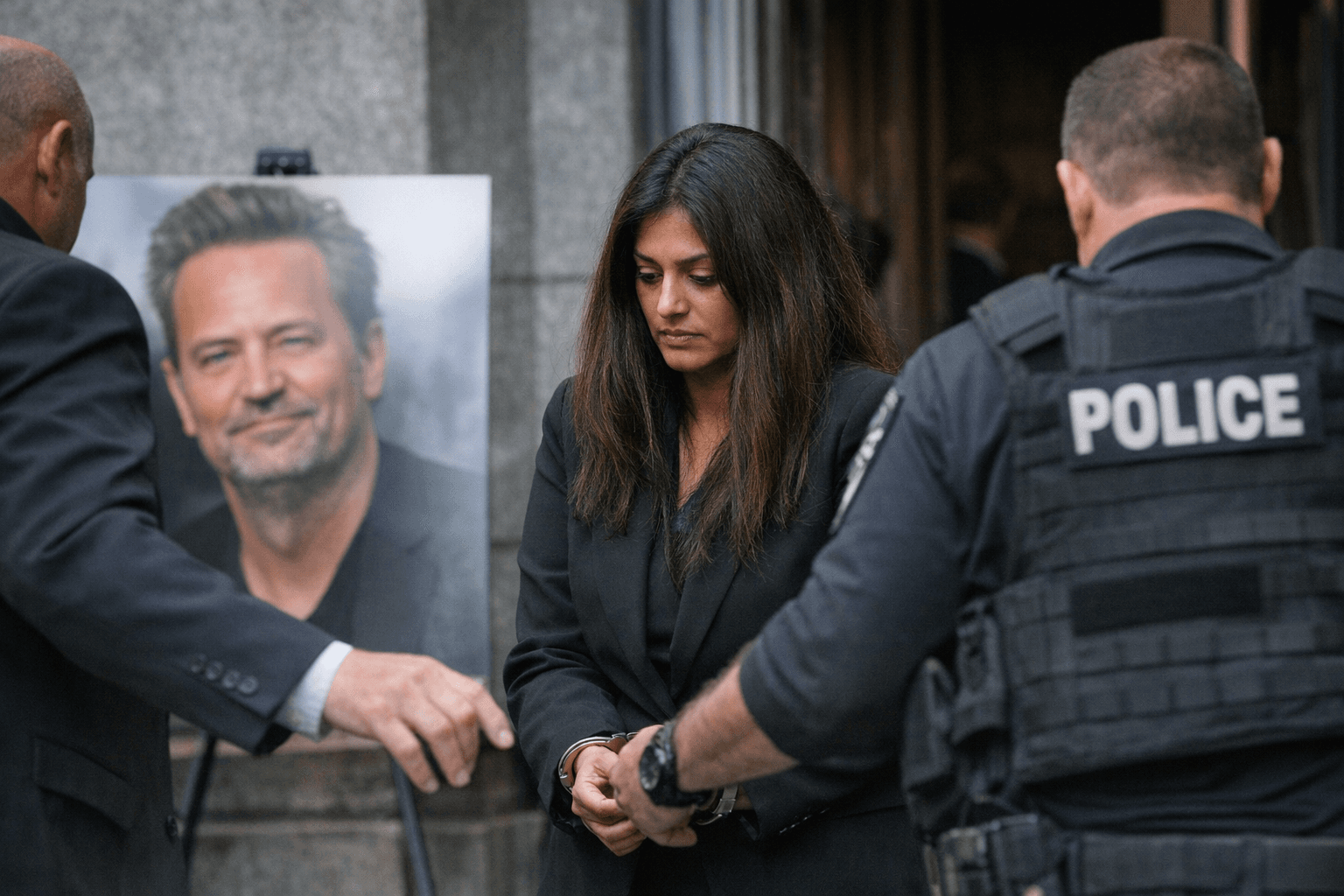
Perry's stepmother submitted a victim-impact statement urging the court to impose the maximum available sentence, one of multiple family members who put their grief into the record for the judge.
The supply chain the case exposed follows a pattern that federal regulators have struggled to contain. The U.S. ketamine clinic market has grown rapidly, with over 1,500 clinics by 2024, driven by telemedicine expansion and increased patient demand. Telemedicine and in-clinic infusion models face distinct regulatory challenges, with telemedicine presenting heightened risks due to loss of control over administration. Ahead of the public health emergency's end in May 2023, the DEA initially proposed requiring patients see a doctor in person after receiving an initial 30-day supply of some drugs via telemedicine, including ketamine for depression, but did not finalize that rule after public pushback.
Perry moved through that gap: legitimate prescribers, then doctors willing to push beyond therapeutic limits, then a street-level trafficker packaging ketamine in vials and lollipops for a clientele that crossed between celebrity social circles and underground supply. The case, prosecuted in the U.S. District Court for the Central District of California, now reaches its final sentencing with the one defendant who sat at the bottom of that chain and, by prosecutors' own account, supplied the fatal dose.
This article was produced by Prism’s automated news system from verified source data, official records, and press releases, then run through automated quality and moderation checks before publishing. The system is built and supervised by the people who set the standards it runs under. Read our full AI policy.
Did this article answer your question?