Kim Kardashian, Timothée Chalamet join cinematic World Cup ad blitz
Kim Kardashian, Timothée Chalamet and Susan Boyle are fronting World Cup ads that look like mini-films, as brands chase fragmented attention across a 48-team tournament.
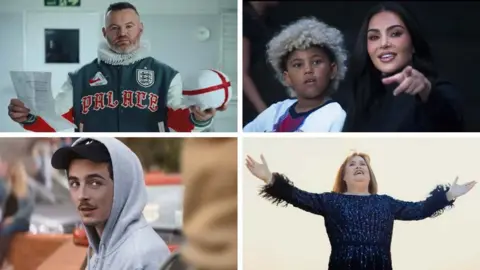
Kim Kardashian, Timothée Chalamet and Susan Boyle have been drafted into World Cup campaigns that look more like entertainment franchises than ads. With the 2026 FIFA World Cup stretching from 11 June to 19 July across 16 venues in Canada, Mexico and the United States, brands are fighting for attention in a tournament that will feature 48 teams, more than 1,200 players and 104 matches.
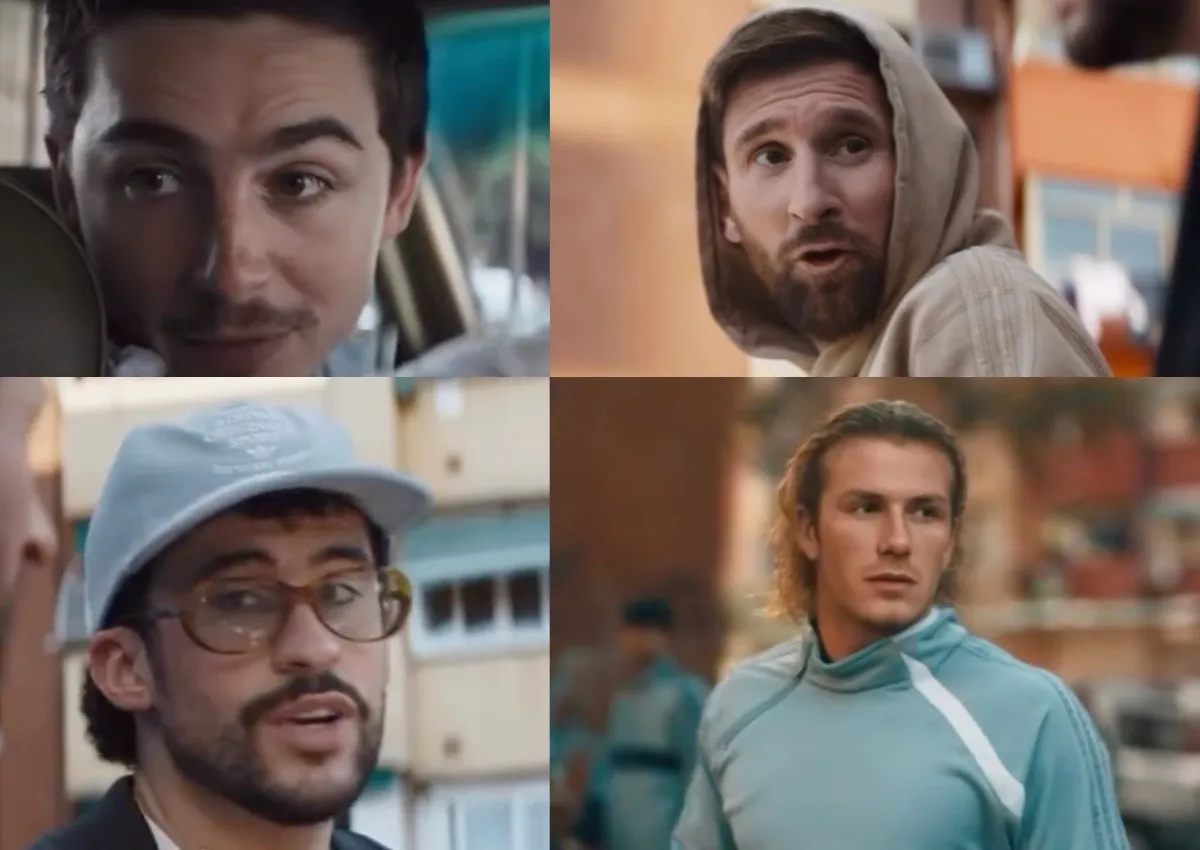
adidas set the tone with Backyard Legends, a five-minute film released on 7 May 2026. Timothée Chalamet appears alongside Lionel Messi, Bad Bunny, Lamine Yamal, Jude Bellingham, Trinity Rodman, Zinedine Zidane, David Beckham and Alessandro Del Piero in a story built around free play and the idea that every pitch can create a legend. The message is less about product placement than about wrapping a sports brand in a piece of shareable football folklore.
Nike pushed even further into Hollywood with Rip the Script, released on 4 June 2026. The short film pairs Kim Kardashian, LeBron James, Travis Scott, Jason Sudeikis as Ted Lasso, Channing Tatum and LISA with Cristiano Ronaldo, Kylian Mbappé, Erling Haaland and Vini Jr., then extends the story with around 185 additional shorts designed to keep the conversation moving on social platforms. The strategy reflects the economics of modern attention: in a fragmented digital market, a single ad slot is no longer enough if audiences can swipe past it in seconds.
Irn-Bru took a more regional route but used the same playbook. Its World Cup anthem revived the old Made in Scotland from Girders jingle and starred Susan Boyle, John McGinn, Alex Kapranos, Paul Black and May Miller. The campaign leaned into the Tartan Army’s humour and resilience while also acknowledging the practical costs of following Scotland to North America, including travel, airport security, ticket prices and heat. It also tapped into the emotion around Scotland’s 28-year absence from the men’s World Cup before 2026.
The commercial escalation is hardly new. Coca-Cola says its World Cup presence began with pitch-side signs in Brazil in 1950, then became FIFA’s official beverage sponsor in 1978, and World Cup campaigns have long featured famous footballers. But the scale and style of this year’s work mark a shift: brands are no longer treating the tournament as a backdrop for straightforward advertising. They are trying to become part of the event itself, because in a market crowded with streaming, social video and competing live sports, attention is now the scarce asset.
That competition is intense enough that System1 tested 130 World Cup-themed ads across the UK, US, Brazil, Europe and Australia and ranked Irn-Bru highest, while noting that most sports sponsorship ads it measures tend to sit in the low two-star range. The message from this year’s campaigns is clear: the World Cup is still football’s biggest stage, but it has also become one of the world’s most expensive arenas for buying, and keeping, public attention.
This article was produced by Prism’s automated news system from verified source data, official records, and press releases, then run through automated quality and moderation checks before publishing. The system is built and supervised by the people who set the standards it runs under. Read our full AI policy.
Know something we missed? Have a correction or additional information?
Submit a Tip