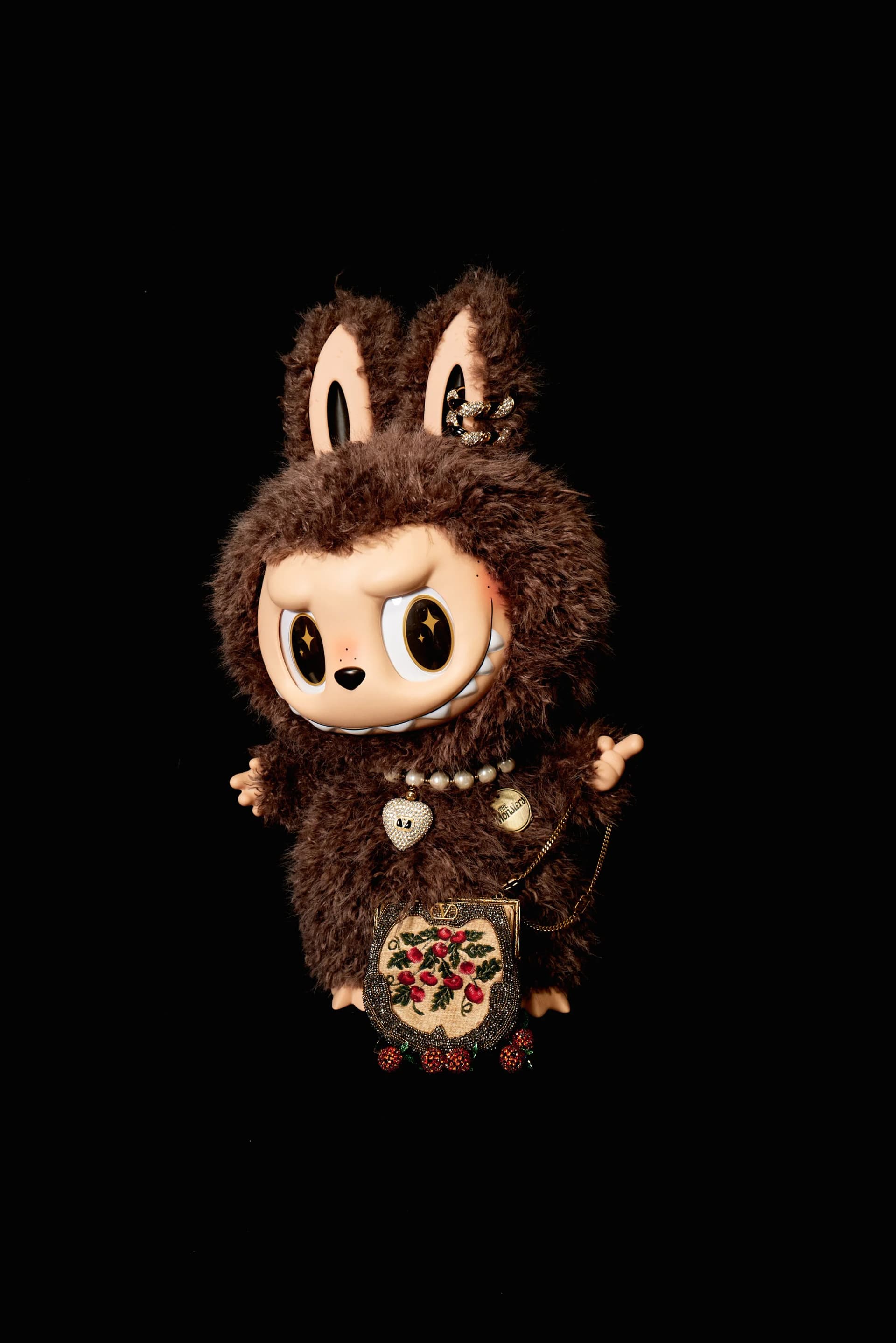
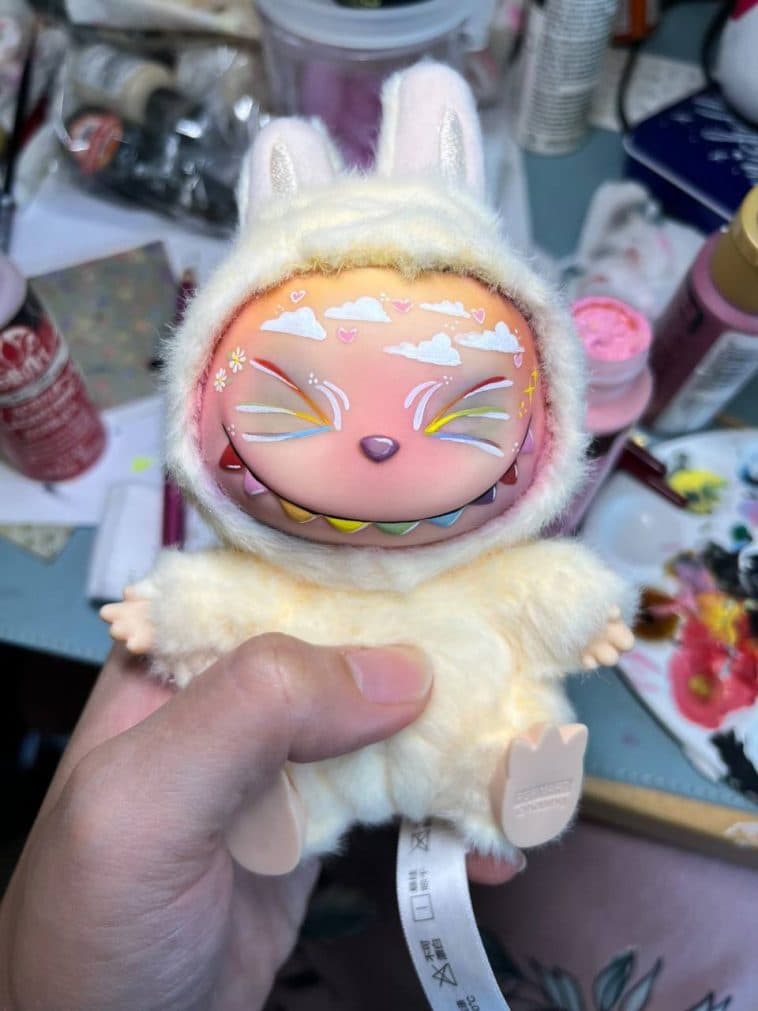
Labubu Figures in Guangxi Ethnic Costumes Debut at Guangxi Museum Shop
Labubu dolls dressed in Zhuang brocade and silver-crowned headdresses are now on display at the Guangxi Museum's cultural shop alongside a Sylus plushie and the Mixue mascot.
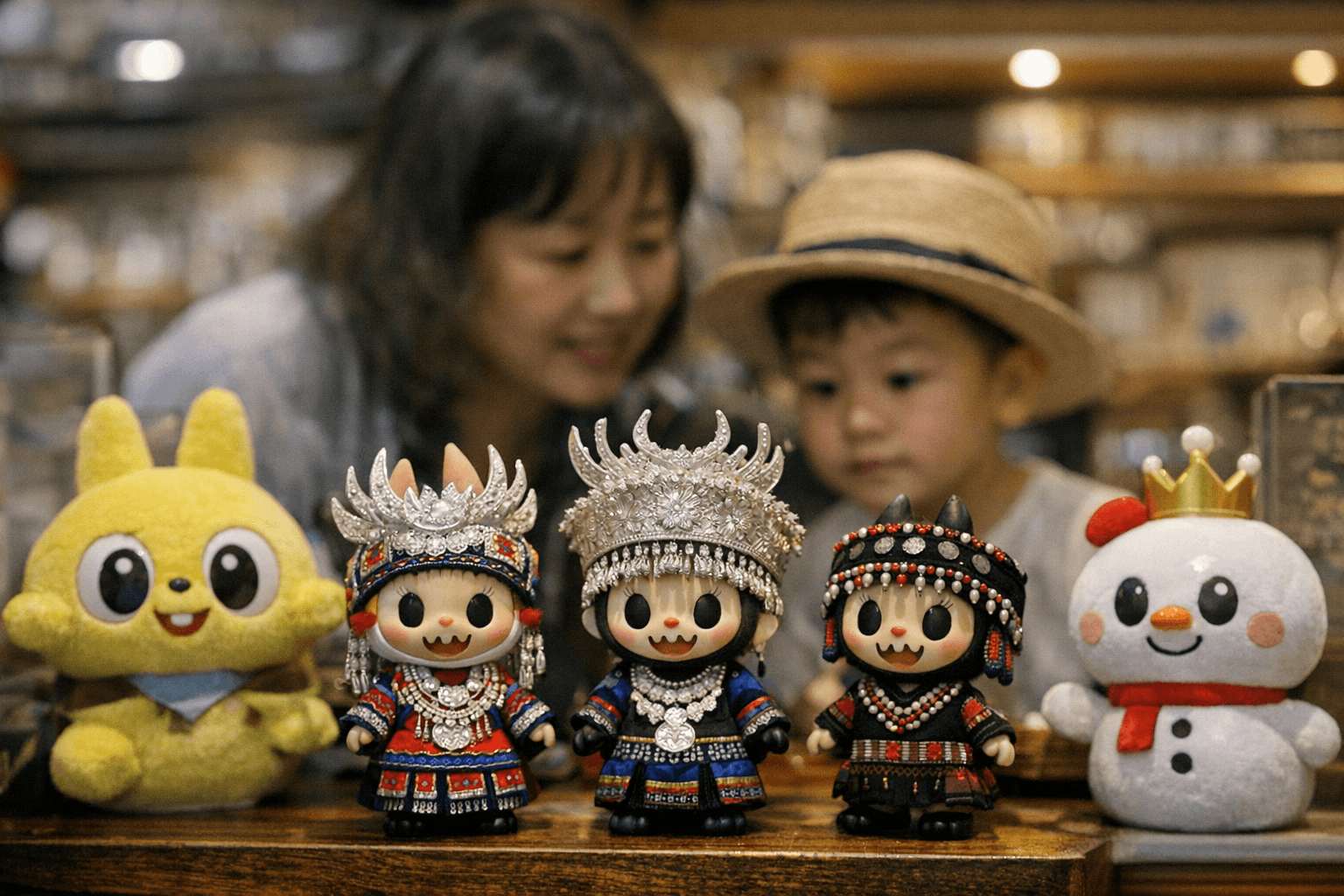
Labubu figures dressed in Guangxi ethnic costumes occupy a new retail display at the Guangxi Museum's cultural shop, shown alongside a Sylus plushie and the Mixue mascot, an installation Xinhua says promotes local ethnic features and creates positive social impact. The museum display follows a year of rising attention to Labubu-themed "ethnic-style doll couture" produced in Guangxi.
In Nanning, workshop owner Ji Yingqi has turned a small craft operation into a regional supplier of miniature Zhuang wrap skirts and silver-crowned headdresses for Labubu dolls, using centuries-old Zhuang brocade. Ji's shop originally specialized in brocade magnets before expanding into Zhuang-style doll headdresses and broader ethnic-style doll couture, and those production details continue to draw customers to her workshop in the capital of the Guangxi Zhuang Autonomous Region.
The trend accelerated through 2025. During the Double Third Festival last year, Ji's new Zhuang-style doll headdresses reportedly vanished from shelves in an instant. The momentum hit a turning point in May after a customer posted a photo of her Labubu doll in a custom Zhuang outfit on social media, garnering over 100,000 views within a day. The digital buzz translated into 200 online orders in the first month alone, while her physical shop averaged 30 sets daily. In May 2025 alone, sales of doll apparel on a major Chinese e-commerce platform surpassed 10 million yuan (about 1.4 million U.S. dollars).
Social channels and fans amplified the effect. A Facebook snippet in the reporting notes that young fans are "obsessed" with doll clothes made with traditional Zhuang brocade and Miao embroidery and links those designs to the Guangxi Museum's cultural and creative shop, though the original social post excerpt is truncated in the sources. That grassroots attention helped move Ji's handcrafts from local stalls to a museum retail floor.
The Labubu phenomenon has also spilled into museum culture beyond Guangxi. Fans noticed a resemblance between Labubu and an ancient bronze danglu, prompting crowds to photograph and compare modern toys to historical bronzes; a Western Zhou dynasty danglu was on display at Luoyang Museum with a photo dated July 4, 2025. Labubu's wider cultural footprint was noted in a report by the Academy of Contemporary China and World Studies at the World Internet Conference Wuzhen Summit, which called Labubu "China's most recognizable and influential pop culture intellectual property in the eyes of the world."
Ji Yingqi captures the maker perspective directly: "Youngsters nowadays customize outfits for their trendy dolls, which carry both childhood nostalgia and a sophisticated cultural aesthetic." Observers of the trend offer a broader view: Tan Xiangguang said, "the popularity of a specific toy may fade, but the fusion of intangible heritage with new trends will continue. These elements possess a charm that transcends time." NANNING, Jan. 8 (Xinhua) In a workshop in Nanning, capital of south China's Guangxi Zhuang Autonomous Region, a "Labubu" doll, one of the world's most sought-after art toys, stood proudly on a desk.
Know something we missed? Have a correction or additional information?
Submit a Tip