Lactic acid bacteria driven wholemeal sourdough boosts phenolics, antioxidants and gut metabolites
Journal of Cereal Science Volume 128 reports that wholemeal sourdoughs fermented with specific lactic acid bacteria show higher total phenolics, greater antioxidant ability and shifts in gut‑relevant metabolites.
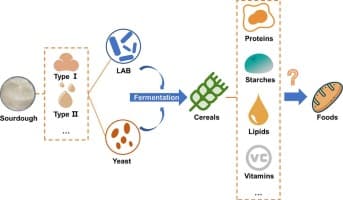
A peer‑reviewed paper titled "A molecular understanding of the potent health of wholemeal sourdough bread derived from different lactic acid bacterial fermentation," published in Journal of Cereal Science, Volume 128, March 2026, reports that wholemeal sourdough breads fermented with select lactic acid bacterial strains exhibit significantly higher total phenolic content, increased antioxidant ability and altered metabolite profiles that include gut‑relevant compounds. The ScienceDirect preview for the article highlights a dedicated section, "Total phenols content, antioxidant ability and metabolites profile of each sourdough bread," indicating those exact measures were central to the study.
The article preview on ScienceDirect shows standard journal sections including Highlights, Abstract, Introduction, Materials and a Methods subsection named "Preparation of wholemeal sourdough bread," and it notes readers must "check access to the full text by signing in through your organization." The preview also lists 30 references and fragments that point to related literature, such as investigations into exopolysaccharide‑producing lactic acid bacteria and buckwheat sourdough, studies on gut dysbiosis and short‑chain fatty acids, and a pharmacological review of hordenine, which suggests the authors conducted a metabolite‑level analysis rather than only bulk chemistry.
A social media snippet preserved in the research material reads, "A study published in the Journal of Cereal Science showed that sourdough fermentation can reduce the glycemic response—especially when whole" but that Instagram line is truncated and the ScienceDirect preview supplied does not show glycemic‑response data. Key methodological and numerical details are absent from the preview: specific LAB strain names, sample sizes, fermentation times and temperatures, the analytical assays used for total phenols and antioxidant capacity, which metabolites were flagged as gut‑relevant, and any statistical values such as p‑values or effect sizes. Those items remain behind the paywall or in the full PDF and must be retrieved to assess replicability and practical implications for bakers.
The preview’s reference fragments include studies on fecal bacterial succession, gut dysbiosis in multiple sclerosis cohorts, and 3‑deoxyglucosone effects in prediabetic rats, which frames the paper’s metabolomics work within a broader nutrition‑microbiome literature. For practical sourdough bakers who manage wholemeal starters, the study’s headline matters: if certain LAB strains reliably boost phenolics and antioxidant metrics, that changes how you might cultivate and refresh a starter for nutritional outcomes rather than only flavor or rise. However, without strain identifiers and assay details the finding is promising but not prescriptive.
The paper's conclusion section is listed in the preview but not quoted; based on the available fragments, the study suggests a strain‑dependent route to enhanced phenolics, antioxidant ability and gut‑relevant metabolites in wholemeal sourdough bread. Full evaluation of consumer‑relevant claims, including any genuine glycemic‑response data, requires the article PDF, the authors’ strain list and the metabolite tables now indicated behind ScienceDirect’s organizational access gate.
Know something we missed? Have a correction or additional information?
Submit a Tip