Land, Cattle and Identity: Six Forces Fueling Nigeria's Deadliest Plateau Conflict
Plateau state's deadly farmer-herder violence kills thousands yearly. Here's why justice failures and broken trust keep the cycle alive.
Plateau state sits at the center of Nigeria's most persistent and misunderstood conflict, where farming communities and nomadic herders have traded catastrophic violence for decades. The death tolls routinely shock international observers, yet the roots of the crisis remain stubbornly unaddressed, buried in disputes over land, livestock, identity, and a justice system that most victims do not trust enough to use.
"Peace is a gradual thing," as those navigating this crisis often say, and the path toward it requires understanding exactly what sustains the killing.
1. Land as the Core Grievance
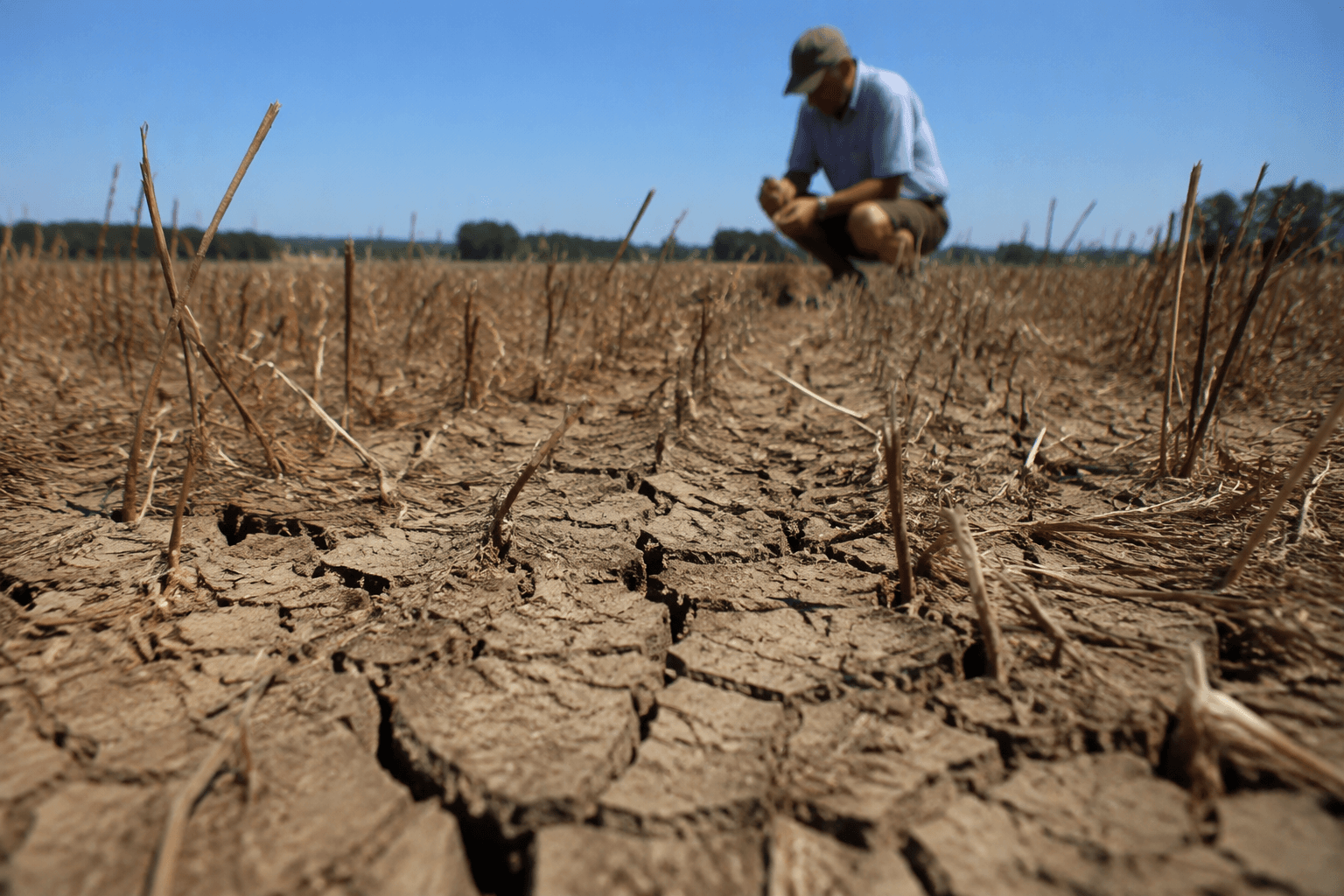
In Plateau state, land is not merely property; it is ancestry, survival, and political identity compressed into soil. Farming communities, predominantly Christian and indigenous, regard their plots as inherited birthright, legally and spiritually tied to generations of settlement. When herders move cattle across these same territories, often following ancient grazing corridors that predate modern borders, the collision is existential on both sides. Climate change has accelerated desertification in Nigeria's north, pushing herders southward in larger numbers and onto land that farmers have no intention of surrendering.
2. Cattle as Wealth and Weapon
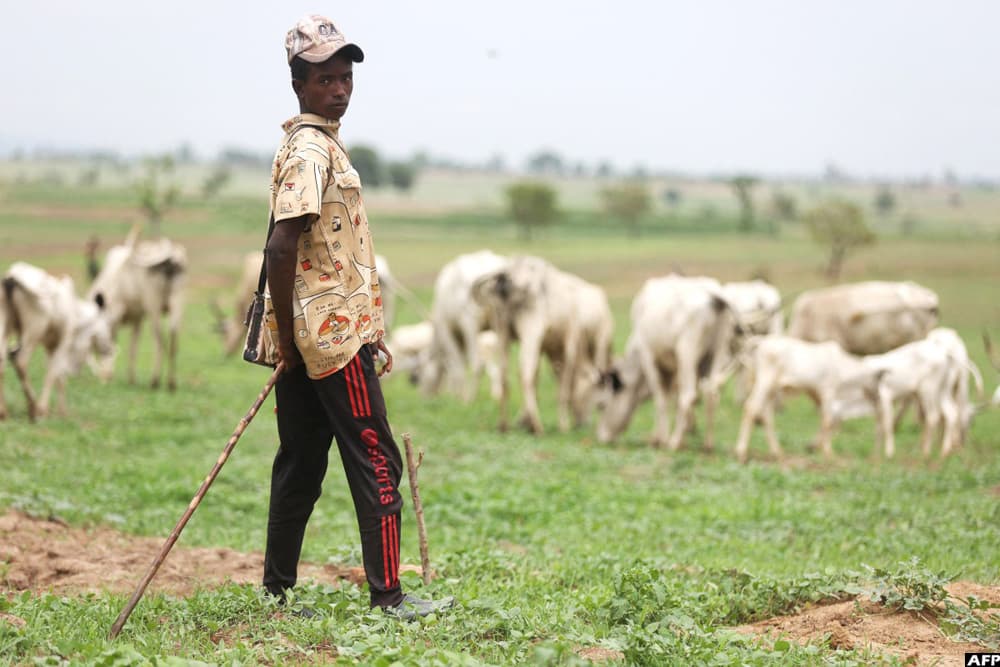
Among Fulani herding communities, cattle represent the most tangible form of wealth, status, and cultural identity. The theft of cattle is therefore not simply economic loss; it is an attack on personhood and community standing. Retaliatory raids following cattle theft frequently escalate into mass violence, with entire villages burned in response to the loss of animals. This cycle of reprisal transforms individual criminal acts into communal warfare, making conventional law enforcement responses almost entirely ineffective.
3. Identity and Ethnoreligious Framing
The conflict is routinely, and dangerously, simplified into a Christian-versus-Muslim narrative in both Nigerian and international reporting. The reality is considerably more layered. Ethnicity, indigeneity, and access to state resources all intersect with religious identity in ways that make the violence simultaneously about belief and about belonging. Communities that feel excluded from political power or classified as "settlers" rather than "indigenes" under Nigeria's constitutional framework face structural disadvantages that breed deep resentment, regardless of faith.
4. Collapse of Justice and Accountability

Perhaps the single most destructive force sustaining the conflict is impunity. Victims across Plateau state, in village after village, report that perpetrators of attacks are rarely arrested, prosecuted, or convicted. Security forces frequently arrive after violence has already concluded, and witnesses who report crimes face intimidation or indifference from the police. When communities observe that killing goes unpunished, the rational conclusion is that self-defense and revenge are the only reliable responses. The absence of credible justice does not merely fail victims; it actively generates the next cycle of bloodshed.
5. Broken Trust in Security Forces
Nigeria's security architecture in Plateau state suffers from a profound legitimacy crisis. Farming communities accuse security forces of bias toward herding groups; herding communities accuse the same forces of protecting farming interests. Both perceptions, regardless of their accuracy in any individual incident, have the effect of making the security presence feel like a partisan actor rather than a neutral protector. International human rights organizations have documented cases of security personnel allegedly participating in or enabling attacks, allegations that, whether fully proven or not, have corroded any remaining confidence that the state can be trusted to protect civilians.
6. The Governance Vacuum Fueling the Cycle
Plateau state's administrative and political institutions have consistently failed to build the cross-community dialogue structures that conflict resolution specialists regard as essential. Local government areas that might serve as forums for farmer-herder negotiation are instead often captured by one community's political interests, making them instruments of grievance rather than resolution. Nigeria's federal government has at various points launched peace initiatives, grazing reserve proposals, and security surges, but without sustained investment in local trust-building, these top-down interventions have produced few durable results. Internationally, the crisis has attracted concern from bodies including the United Nations, but diplomatic attention has not translated into the institutional reforms that might interrupt the cycle at its roots.
A Path Forward
Researchers and peacebuilders working in Plateau state consistently point to three overlapping requirements for durable de-escalation: reformed land tenure policy that provides legal clarity without erasing customary rights; credible, community-accountable policing that investigates attacks regardless of which group perpetrates them; and sustained intercommunal dialogue led by respected local figures rather than distant officials.
The phrase "peace is a gradual thing" contains both wisdom and warning. It acknowledges that generations of mistrust cannot be dissolved by a single agreement or a single security deployment. It also, if misapplied, becomes a reason for governments and international partners to accept slow progress when urgent action could save lives. The conflict in Plateau state is not inevitable, but ending it requires treating land rights, justice, and identity as interconnected problems that demand interconnected solutions, not sequentially, but simultaneously.
This article was produced by Prism’s automated news system from verified source data, official records, and press releases, then run through automated quality and moderation checks before publishing. The system is built and supervised by the people who set the standards it runs under. Read our full AI policy.
Did this article answer your question?