Lebanese return south to find homes destroyed after ceasefire
A 12-hour trip home ended in ruins for Imad Komeyha, as families returned south to find destroyed houses, blocked roads and little to come back to.
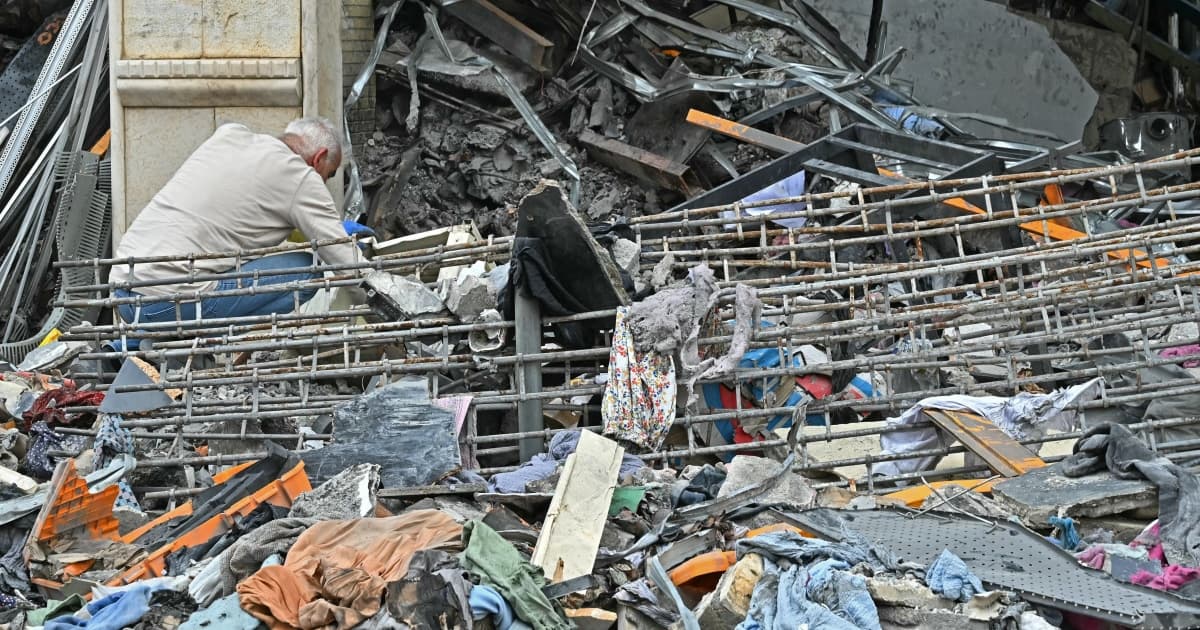
Imad Komeyha crossed back into southern Lebanon with his family after 12 hours on the road from the north, expecting at least a damaged home. Instead, he found rubble. “My house is demolished,” he said in Kfar Sir, where Israeli airstrikes had left his family’s home in ruins.
Their return came as a fragile calm settled over parts of Lebanon after a 10-day ceasefire between Israel and Hezbollah took effect on April 17, 2026, with U.S. involvement. Lebanese officials urged residents to delay heading south because danger remained, and the Lebanese army told civilians to stay away from areas where Israeli forces had advanced. Hezbollah’s leadership warned that it had its “finger on the trigger” if the truce was broken.
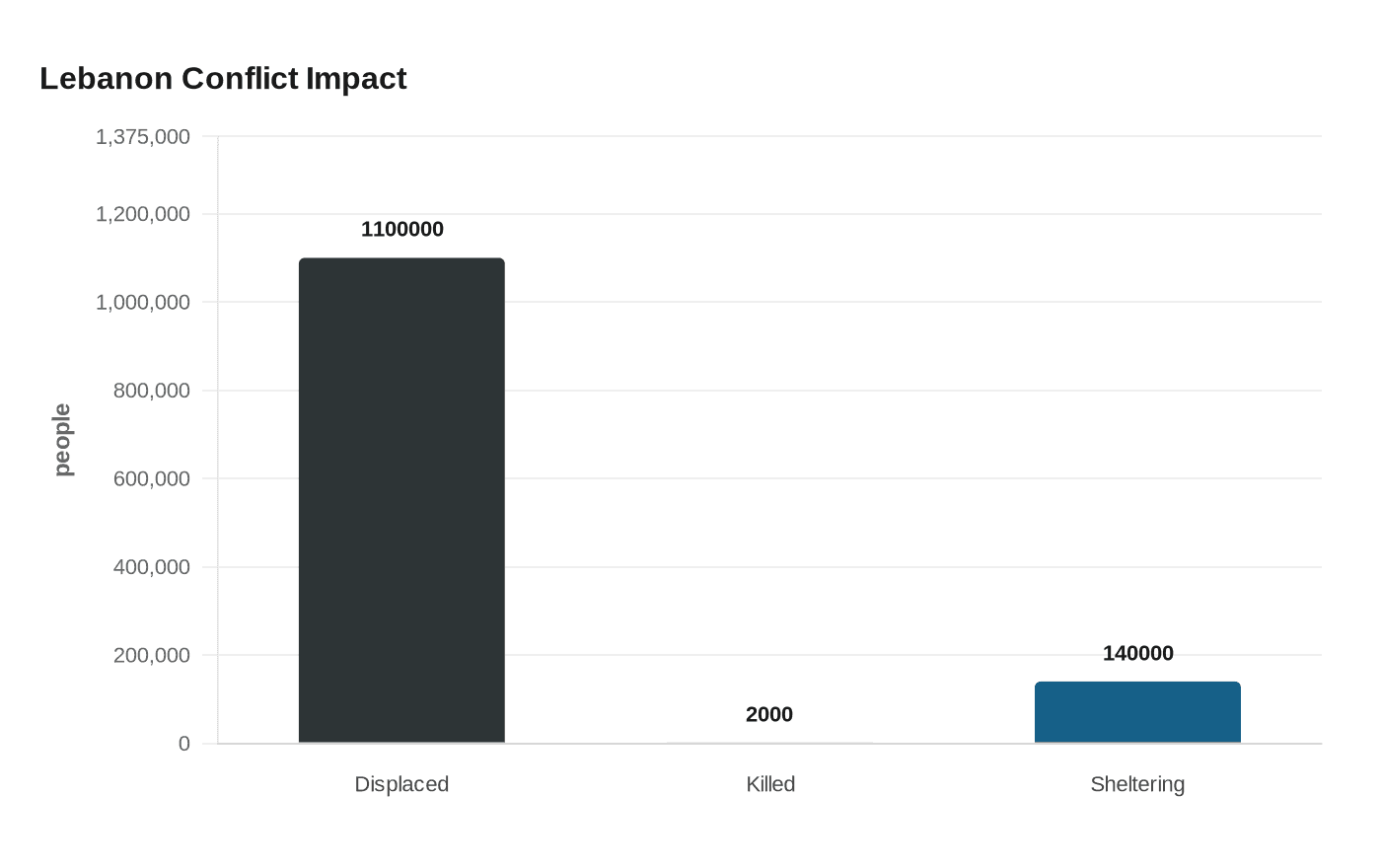
The ceasefire opened a narrow window for some displaced families to try to go back, but the scale of the destruction made that return uncertain from the start. The conflict had forced more than 1.1 million people in Lebanon from their homes by mid-April, roughly one-fifth of the country’s population. The United Nations Office for the Coordination of Humanitarian Affairs said more than 2,000 people had been killed and more than 140,000 were sheltering in collective sites as of April 13, 2026.
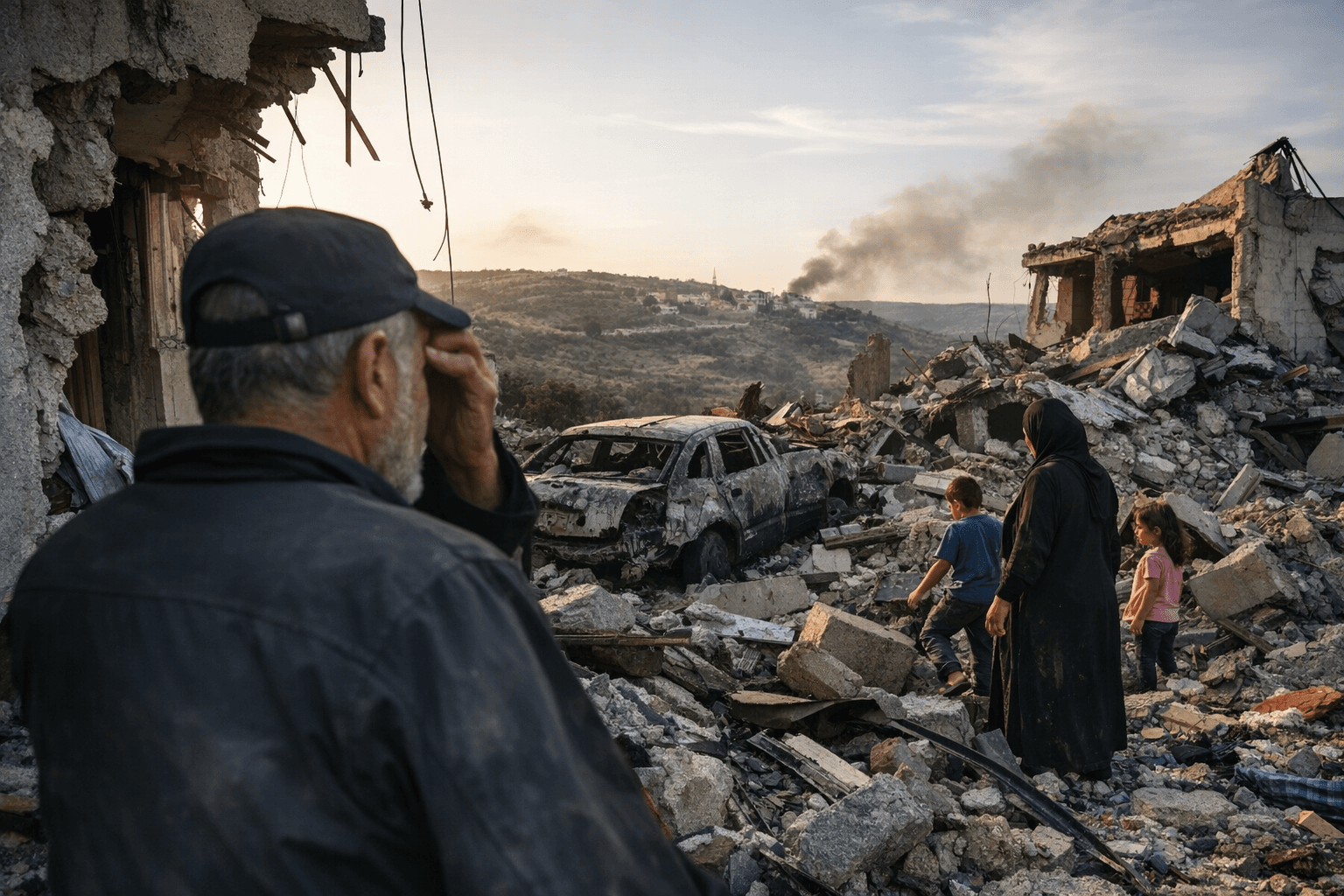
The war’s impact was clearest in villages along the southern border, especially in places such as Kfar Sir and nearby Kfar Kila, where homes and sections of neighborhoods had been heavily damaged or flattened outright. Roads were blocked in some areas, infrastructure was shattered and basic services were scarce, leaving returnees to confront not only destroyed houses but also the loss of electricity, water access and the livelihoods tied to farming and border trade.
Israel has said it intended to keep forces in parts of southern Lebanon and prevent residents from returning to some border areas, raising fears that the ceasefire might not mean a full homecoming. That has deepened anxiety among families who already spent months in displacement shelters, with many uncertain whether they can rebuild in villages that may remain under military restriction.
Human rights groups have said the pattern of displacement could carry legal consequences. Human Rights Watch, through Nadia Hardman, said Israel’s attacks in Lebanon and the threat of more to come had driven more than a million people from their homes, and warned that the displacement of civilians could amount to a possible war crime. For families like the Komeyhas, the question is less about diplomatic language than whether a village can still function after the bombing stops. In much of the south, the answer remains painfully out of reach.
This article was produced by Prism’s automated news system from verified source data, official records, and press releases, then run through automated quality and moderation checks before publishing. The system is built and supervised by the people who set the standards it runs under. Read our full AI policy.
Did this article answer your question?


