Lebanon bans Hezbollah military activity after attack on Israel
Lebanon declared Hezbollah "outside the law" and demanded weapons handover as Israel sent troops and bombed south Lebanon and Beirut suburbs.
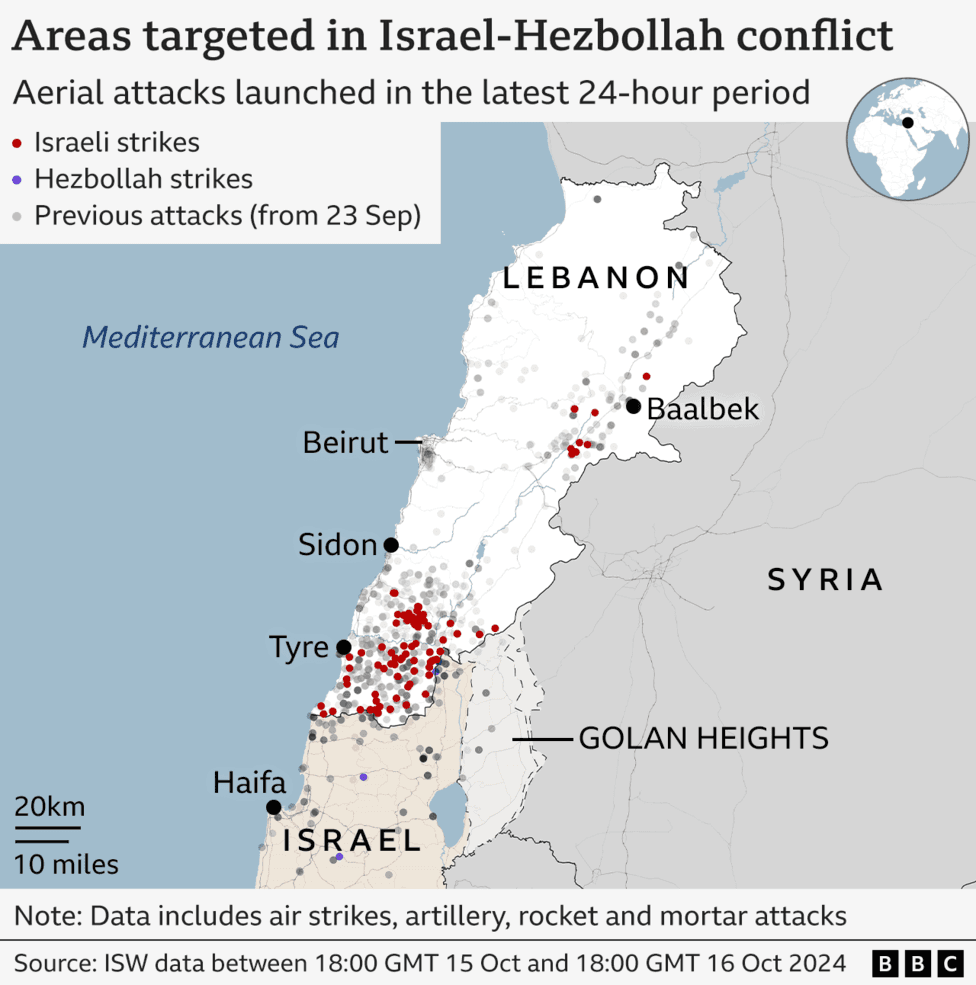
Hezbollah launched an attack on Israel after the killing of Iran's supreme leader, triggering an immediate and forceful Israeli response that included cross-border troop movements and bombing of south Lebanon and the southern suburbs of Beirut. Lebanon's cabinet moved swiftly: Prime Minister Nawaf Salam said the attack showed disregard for "the will of the majority of Lebanese" and urged that the state reclaim its monopoly on force, declaring Hezbollah's security and military activities "outside the law" and obliging the group to hand over its weapons to the Lebanese state.
The escalation punctured a period of relative restraint. NPR/WUSF reported that Hezbollah had observed roughly a year without attacks despite almost daily Israeli strikes, but the recent action reversed that pause. Israel's military said several projectiles fell in open areas and one was intercepted by the Israeli air force, while Israeli Chief of the General Staff Eyal Zamir warned, "We have launched an offensive campaign against Hezbollah … We must prepare for many prolonged days of combat ahead."
The Lebanese government's move to ban Hezbollah's military operations marks a dramatic shift in domestic politics since the group was heavily struck by Israel in the 2024 war, a change The Arab Weekly said has reshaped the country's power balance. The current cabinet, which took office a year ago and has pursued disarmament, pledged to arrest fighters responsible for cross-border attacks. At the same time, reporting noted a stark reality: the state lacks the full capacity to enforce a ban across Lebanon, leaving a critical gap between legal declarations and on-the-ground control.
In areas near the Israeli border the Lebanese Armed Forces have made progress clearing weapons caches under a US-backed ceasefire signed more than a year ago. Hezbollah, however, refuses to disarm in full, arguing the ceasefire does not apply to the rest of Lebanon. That division creates a complex enforcement problem. The government's demand for a weapons handover increases political pressure on a movement that is both a powerful militia and a political party, yet the mechanics of disarmament remain unresolved.
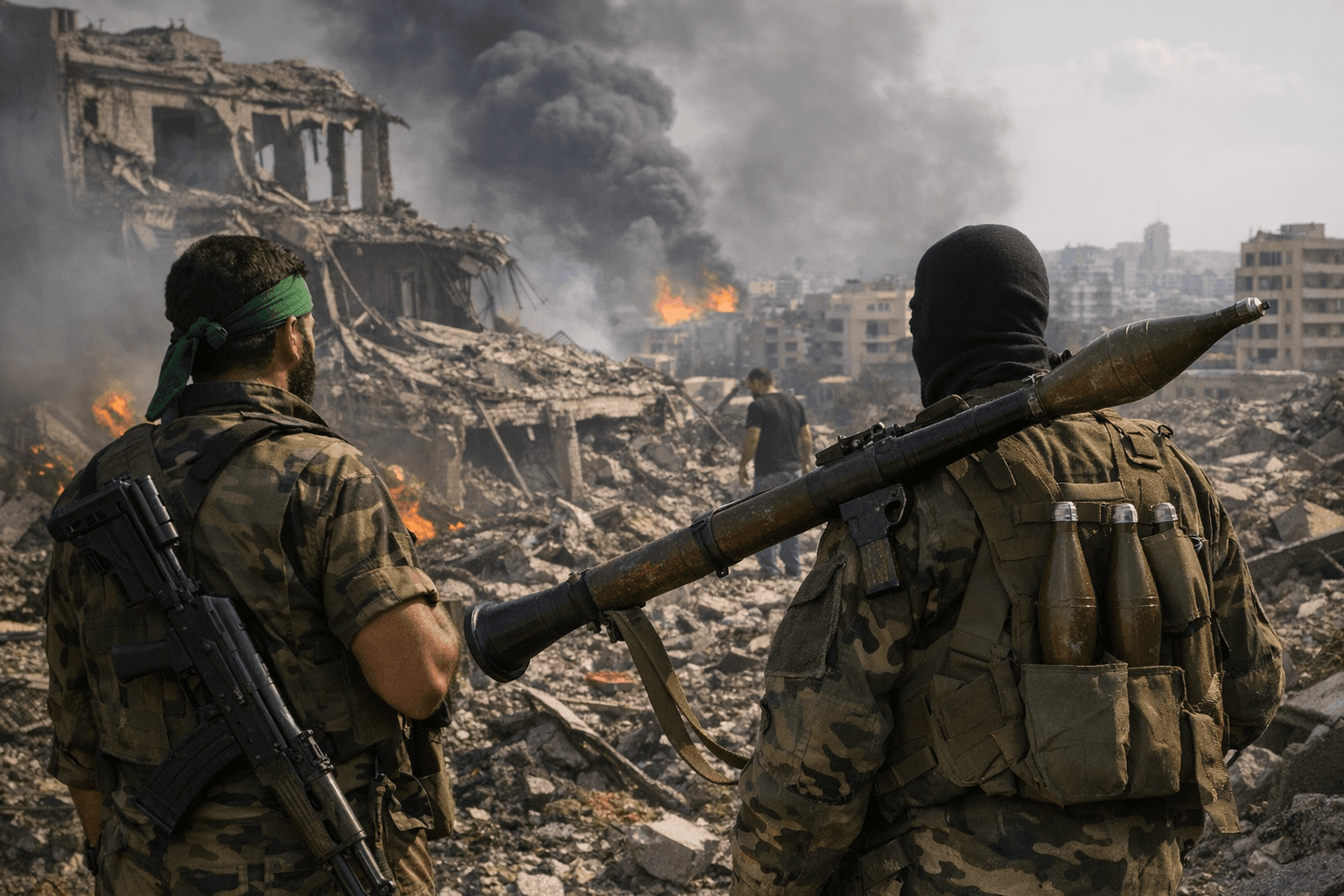
The human toll and disruption are evident in Beirut, where displaced families sleeping on sidewalks have become an unmistakable sign of a state under stress. NPR/WUSF described long evacuation delays: a trip that normally takes three hours became a 24-hour ordeal for Khaled Jaber and his family as they fled south Lebanon for Beirut. Hussein al Rahi, speaking through an interpreter, said, "Those who couldn't leave, who have no strength, no one, no car, no money, they stayed."
Economic fallout is likely to follow. Lebanon's institutions were already fragile after years of political paralysis and financial crisis; renewed hostilities and internal friction over arms control will raise risk premia for Lebanese assets, increase the cost of insurance for shipping and trade, and deter urgently needed foreign investment. Public spending will be diverted to security and emergency relief, worsening fiscal pressures. The government's ability to translate legal authority into stable security arrangements will determine whether investors and aid partners view Lebanon as a recoverable economy or a state at further risk of fragmentation.
How the ban is implemented will decide the next phase: successful disarmament and integration of armed infrastructure into state control could consolidate authority and reduce cross-border escalation, while failure to enforce the measure risks deeper fragmentation and prolonged instability across Lebanon's cities and border areas.
Know something we missed? Have a correction or additional information?
Submit a Tip