Lee, Takaichi to hold hometown summit in Andong, deepening ties
Lee Jae Myung and Sanae Takaichi will stage a state-visit style summit in Andong, turning hometown symbolism into a test of whether Seoul-Tokyo ties can keep moving.

South Korean President Lee Jae Myung and Japanese Prime Minister Sanae Takaichi are turning a hometown meeting into a strategic stress test for one of Northeast Asia’s most important relationships. The two leaders are set to meet in Andong, Lee’s hometown, for a two-day summit that includes dinner, traditional cultural performances and a joint press statement, underscoring that both governments want the encounter to project more than ceremony.
Andong, about 190 kilometers from Seoul in North Gyeongsang Province, is where Lee was born and lived until elementary school. By choosing the city for a state visit-style summit, Seoul and Tokyo are leaning on personal symbolism to show that ties have become steadier and less reactive than in years past. Lee’s office called the meeting a “meaningful opportunity to deepen trust and friendship,” framing the visit as a deliberate bid to keep momentum in a relationship often strained by historical grievances and political shifts.
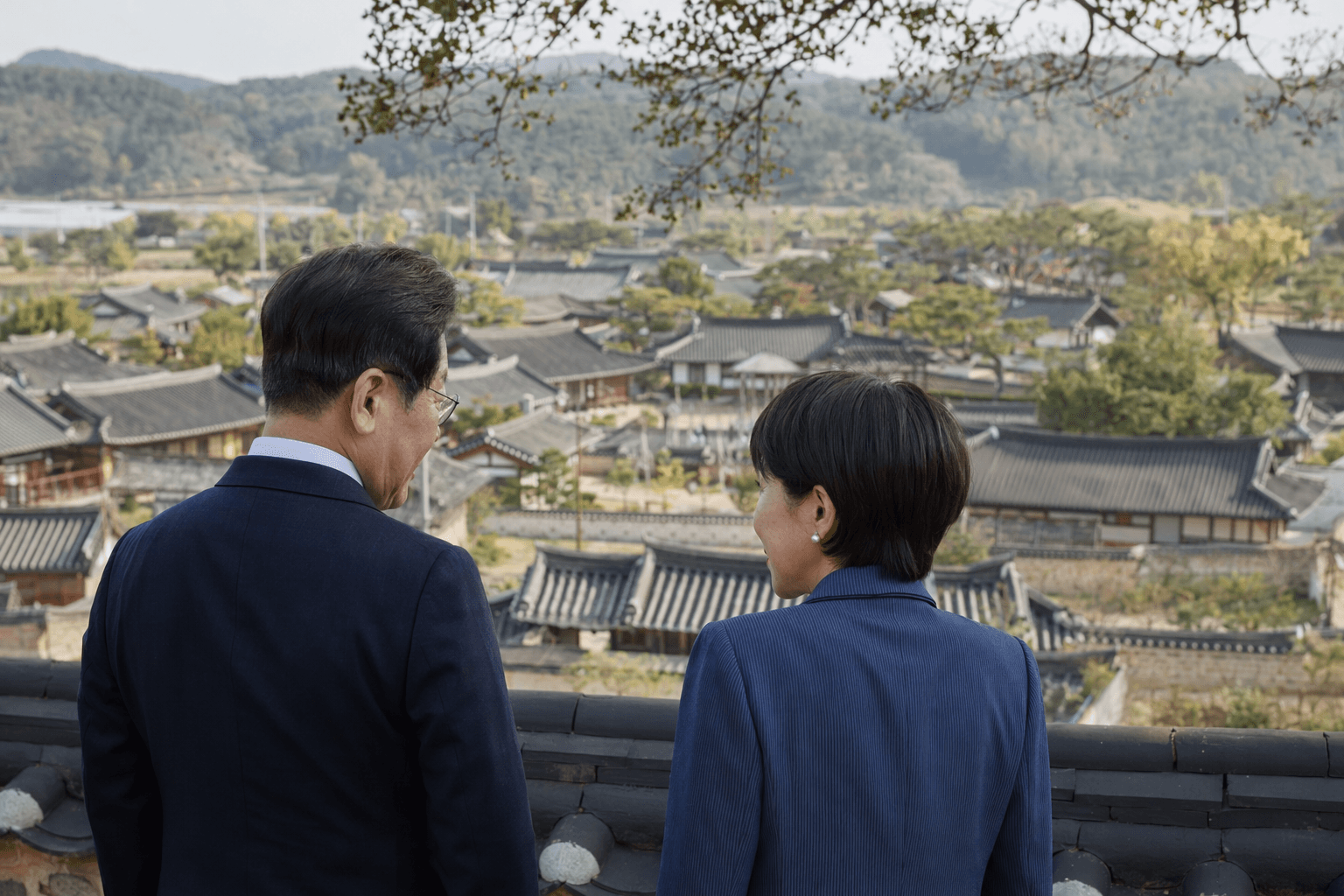
The summit, scheduled for May 19 to 20, will be the sixth South Korea-Japan summit since Lee took office and the second round of shuttle diplomacy this year. It will also mark the first exchange of hometown visits by incumbent leaders of South Korea and Japan, after Lee and Takaichi last met on January 13 in Nara Prefecture, Japan, Takaichi’s hometown. The symmetry is meant to signal continuity at a time when both capitals are trying to manage domestic political pressures without losing sight of their shared regional interests.
The agenda is expected to reach beyond optics. The South Korean presidential office said Lee and Takaichi will discuss the future direction of South Korea-Japan relations and practical cooperation in areas tied to ordinary citizens’ lives, including the economy, society and citizen protection. The two governments are also likely to weigh security coordination, North Korea, China and wider uncertainty around the U.S.-aligned security framework that shapes regional diplomacy.
For Seoul and Tokyo, the Andong summit is meant to show that their relationship is not only surviving old disputes, but still capable of moving forward under new political leadership. The dinner tables and cultural performances may draw attention, but the real measure of success will be whether the two sides can turn personal rapport into durable cooperation on security, trade and the daily concerns of people in both countries.
Know something we missed? Have a correction or additional information?
Submit a Tip