Lundbeck raises 2026 outlook on strong U.S. migraine demand, delayed generic competition
Lundbeck's higher forecast rests on booming U.S. Vyepti demand and slower generic entry for Abilify Maintena, a combo that can keep pharmacy prices high longer.
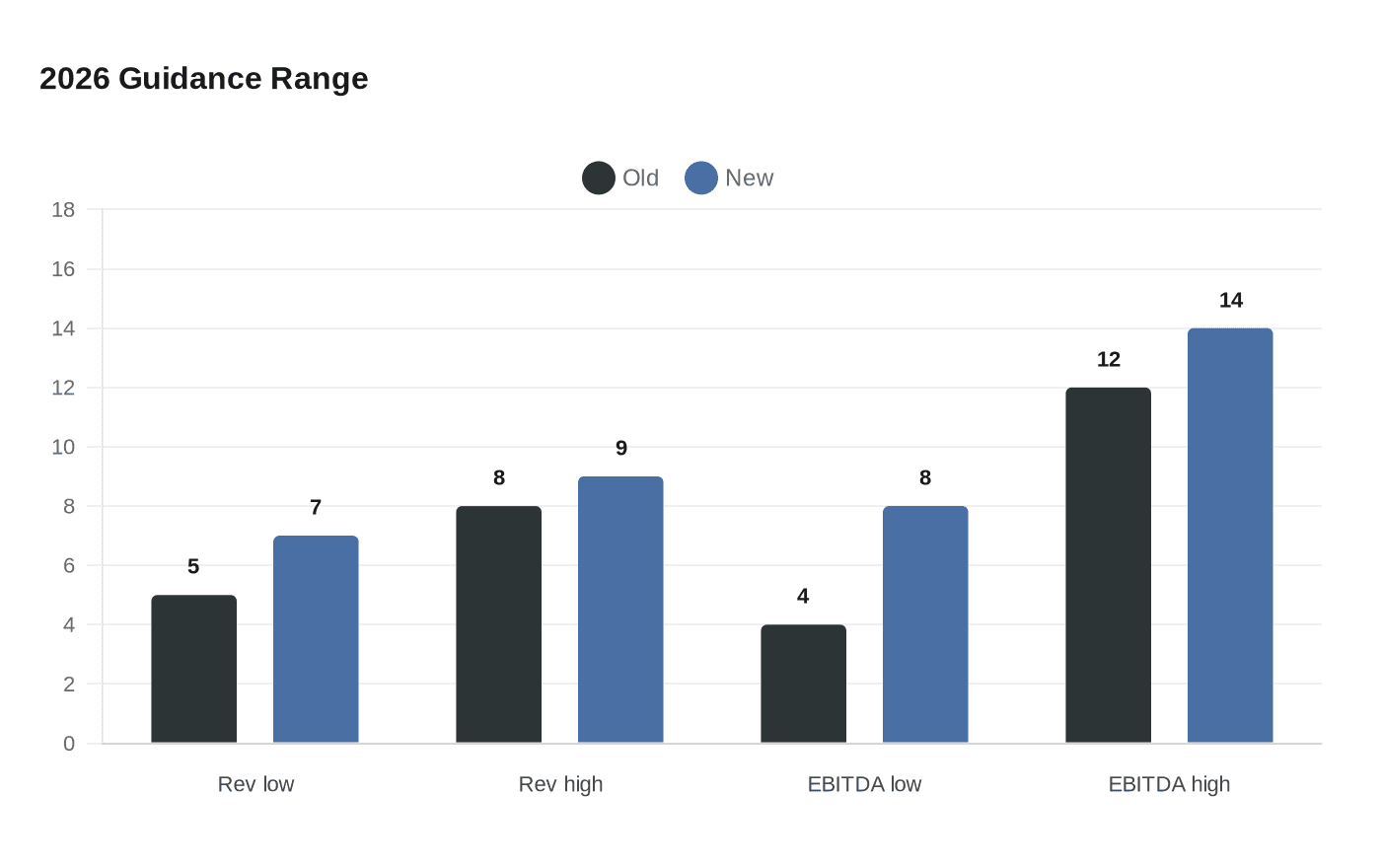
Lundbeck raised its 2026 outlook after stronger U.S. demand for migraine drug Vyepti and a delay in generic competition for Abilify Maintena, a combination that helps the Danish drugmaker but slows the arrival of lower-cost options for patients. The company now expects revenue growth of 7% to 9% at constant exchange rates, up from 5% to 8%, and adjusted EBITDA growth of 8% to 14%, up from 4% to 12%. Its shares rose 4.2% after the update.
The revision underlined how a single branded medicine can move the numbers when it gains traction in the United States. Vyepti, approved by the U.S. Food and Drug Administration in February 2020 as the first intravenous preventive treatment for migraine in adults, is now expected to post stronger full-year volumes in the U.S. For patients, that success can mean wider use of a specialty therapy that remains on patent protection, but it also means migraine sufferers may wait longer for generic alternatives that typically push down pharmacy costs.

Lundbeck also said the forecast reflected a later-than-expected generic entry for Abilify Maintena in key markets outside the United States. That delay extends the period in which the company can sell the branded schizophrenia treatment without direct lower-priced copies. In a pharmaceutical market where patent expirations often trigger abrupt revenue declines, even a short postponement can keep branded prices in place and preserve margins.
The stronger guidance came alongside a solid first quarter. Revenue rose 21% at constant exchange rates to DKK 7.125 billion, while underlying growth was 13% after stripping out a planned one-off inventory build tied to Lundbeck’s new partner-market model. EBITDA increased 26% to DKK 2.63 billion. The company said all regions contributed double-digit growth and that it had established 27 partner markets as part of its commercial overhaul.
Lundbeck also lifted its expected 2026 research and development spending to about DKK 5.6 billion to DKK 5.9 billion. Chief Executive Charl van Zyl said the company is advancing assets across its pipeline and strengthening long-term growth potential, signaling that management wants investors to see more than one strong quarter.
The company had already raised its 2026 revenue and EBITDA guidance in February, and its 2025 results showed how dependent that growth has become on strategic brands. Vyepti U.S. sales grew about 58% to 59% at constant exchange rates last year, Rexulti U.S. sales rose 23%, and roughly 90% of strategic-brand growth came from those two drugs. For consumers, the message is harder to ignore: as long as demand stays strong and generic competition stays delayed, Lundbeck can grow faster, while patients may face high drug prices for longer.
This article was produced by Prism’s automated news system from verified source data, official records, and press releases, then run through automated quality and moderation checks before publishing. The system is built and supervised by the people who set the standards it runs under. Read our full AI policy.
Did this article answer your question?

