Analysis

Maintenance checklist for liveaboard cruising catamarans: safety, systems, routines

A consolidated maintenance checklist for liveaboard cruising catamarans lays out safety checks, systems routines, and schedules owners can use to keep vessels reliable and cost-effective.
Jamie Taylor4 min read
Published
Listen to this article0:00 min
Share this article:
Maintenance checklist for liveaboard cruising catamarans: safety, systems, routines
Source: i.pinimg.com

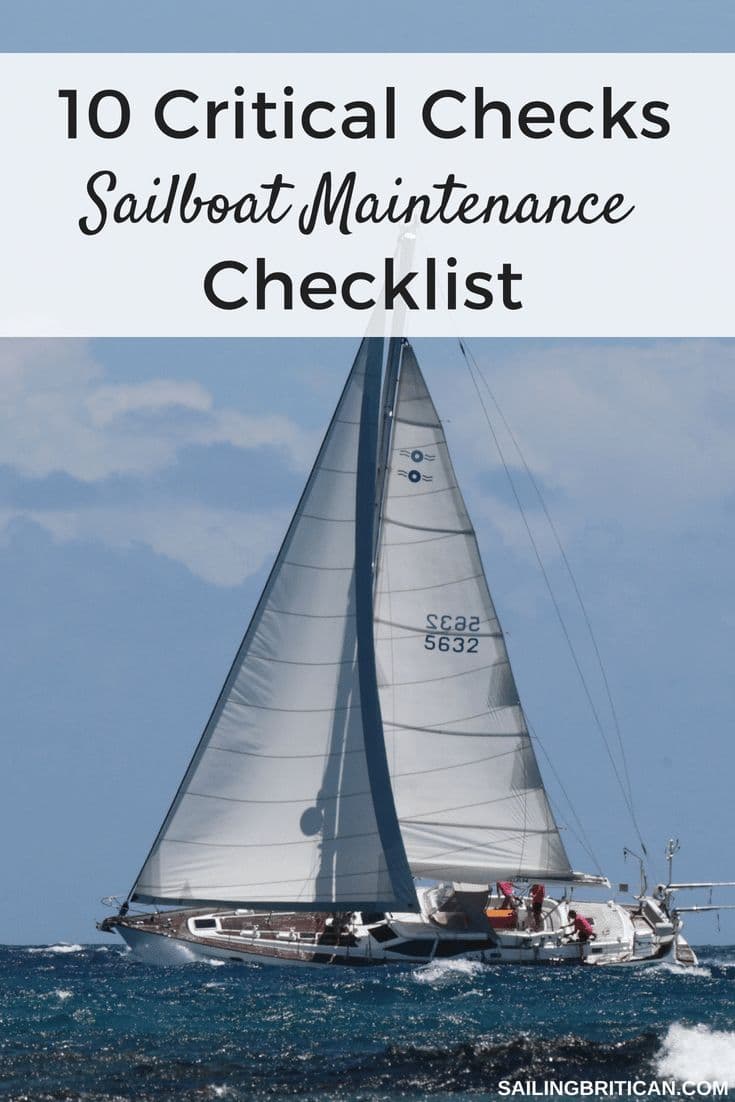
Keeping a cruising catamaran in reliable, safe, and cost-effective condition requires a prioritized maintenance plan. This guide gives a practical, high-value checklist aimed at owners and liveaboard crews. (Published date left empty as an evergreen resource.)

## Electrical & Safety "Clean battery terminals and check water levels if applicable." Regular battery attention prevents unexpected failures at anchor. "Inspect wiring for corrosion or looseness" to avoid shorts and electrical fires. Test moving electrical safeguards as part of routine checks: "Test bilge pumps and float switches" and "Confirm all safety gear is working and accessible." Log each test and any corrective work so the next crew or buyer can see service history.

## Deck Hardware & Moving Parts Salt is the enemy of stainless and of smooth operation. "Rinse all stainless after each outing" and "Lubricate latches, hinges, winches, and zippers with marine grease or anti-corrosive spray." Keep water flowing off deck: "Keep scuppers and drains clear to prevent pooling." These simple actions cut corrosion, reduce frustration, and extend the life of hardware that gets constant use on a liveaboard boat.

## Washdowns: The First Line of Defense "A proper washdown goes further than almost anything else. After a passage, it’s obvious. But even dockside, salt quietly builds up on every surface. That includes your lines, fittings, roller furlers, and winches." Make washdown part of the post-passage ritual. "Wash with fresh water and boat soap regularly." "Spend extra time on moving parts." For lines, "Dump a bucket of soapy water over coiled or stale lines—they’ll clean up and soften right away." As one long-time captain remembered, "When I was a captain, this was my ritual. I loved doing this work early in the morning, barefoot, sun coming up, reconnecting with my home."

## Sea Strainers: Don’t Wait "Too many people wait until the engine overheats to check their sea strainers. Why? It takes five minutes. Clean them out once a week—or whatever schedule works for your use. Prevent the problem instead of reacting to it." Include sea-strainer inspections in any pre-start checklist and after heavy debris conditions. Clearing strainers is also listed under engine basics.

## Bilges: Open, Empty, Inspect "Every time I took over a new boat, I opened every bilge. Took everything out. Cleaned it. Looked at every pump, wire, and fitting. You can learn a lot about the state of a boat from its bilges. Make it a habit." Combine hands-on inspection with functional tests: bilge pumps and float switches should be exercised during electrical checks.

AI-generated illustration

## Engine & Mechanical Basics "At minimum:" check gearbox oil; "Clear sea strainers"; "Inspect belts, coolant levels, and raw water flow"; "Run a freshwater flush after saltwater trips"; and "Keep a clean log of engine hours and oil changes." Basic owner tasks like oil and filter changes are feasible, but "Basic tasks like changing the oil or filters can be done by owners with some technical knowledge. However, it's advisable to have professional inspections periodically."

## Final Word: Build the Habit "Your catamaran won’t fall apart all at once. It’ll fall apart slowly- unless you’re paying attention." "So build the log. Follow it. Adjust it. And if you ever hand the boat off to crew or to a buyer, that log becomes an asset." For recordkeeping, include dates of maintenance tasks, parts replaced, issues noted, and any professional services used.

## FAQs Q: How often should I wash the hull? A: Washing the hull monthly or after long sails helps to remove salt and grime, maintaining the boat's aesthetic and hydrodynamic efficiency. Q: What is the importance of anti-fouling paint? A: Anti-fouling paint prevents marine organisms from attaching to the hull, reducing drag and improving fuel efficiency. Q: How can I tell if the sails need maintenance? A: Look for signs of wear, tears, or fraying. Also, test the ease with which sails come up and are taken down to ensure rigging is smooth. Q: What should be included in a maintenance log? A: Dates of maintenance tasks, parts replaced, issues noted, and any professional services used should be documented in your log.

In conclusion, regular and well-planned maintenance is vital for maximizing the efficiency and lifespan of your catamaran. By understanding the necessary maintenance activities and maintaining a diligent schedule, you ensure your vessel is always ready for the adventures ahead.

Know something we missed? Have a correction or additional information?

Submit a Tip


Your Topic
Today's stories
Updated daily by AI

Name any topic. Get daily articles.

You pick the subject, AI does the rest.

Start Now - Free

Ready in 2 minutes

Discussion

More Catamaran Yachts News