Mamdani meets Dimon at JPMorgan’s new Midtown headquarters, tax tension lingers
Zohran Mamdani’s first meeting with Jamie Dimon came inside JPMorganChase’s new 270 Park Avenue tower, where the bank showcased its jobs and economic muscle as tax fights still simmered.

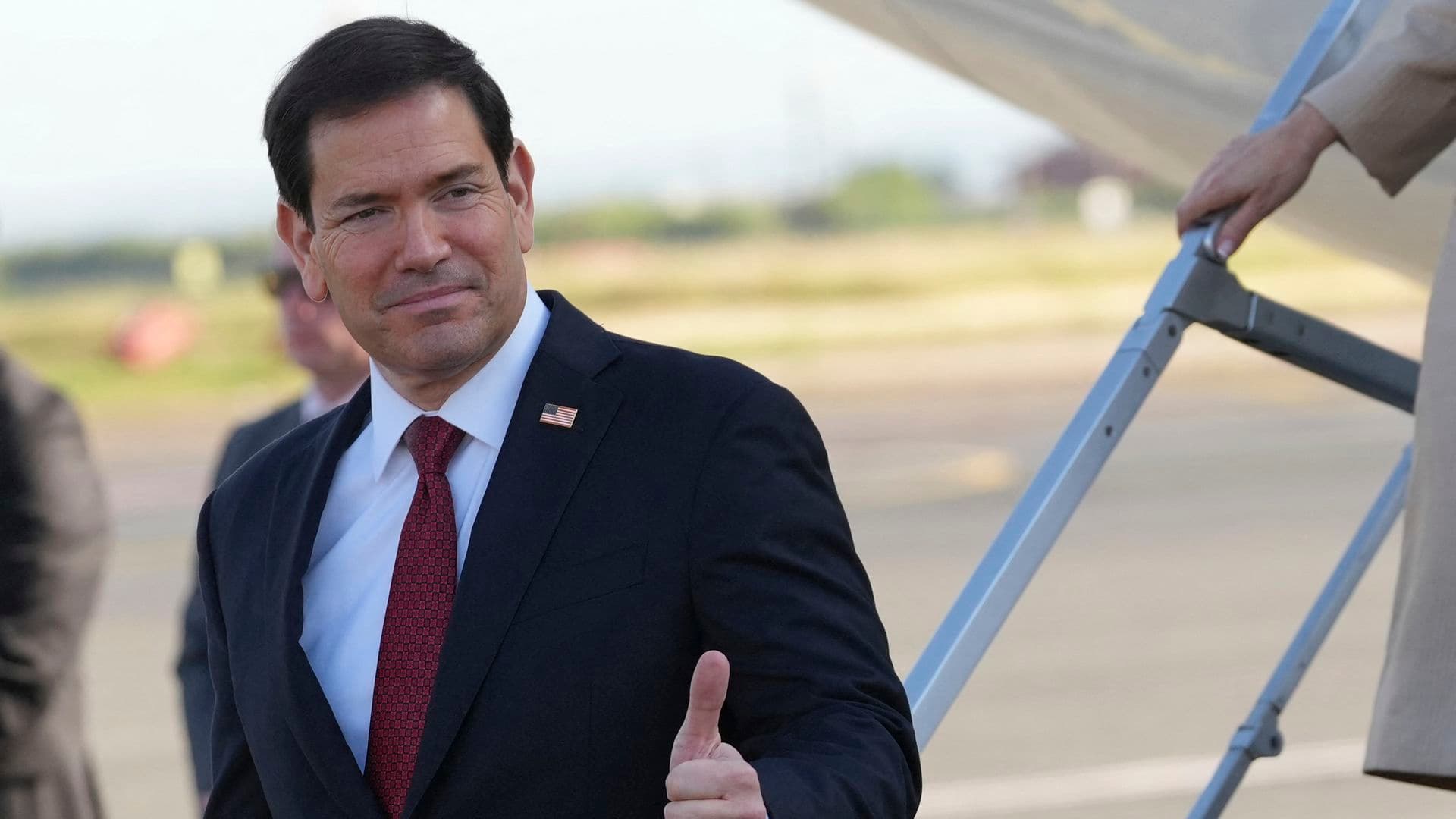
Zohran Mamdani walked into JPMorganChase’s new Midtown headquarters as New York’s newest political disruptor and walked out having signaled something more pragmatic: City Hall and Wall Street will have to deal with each other.
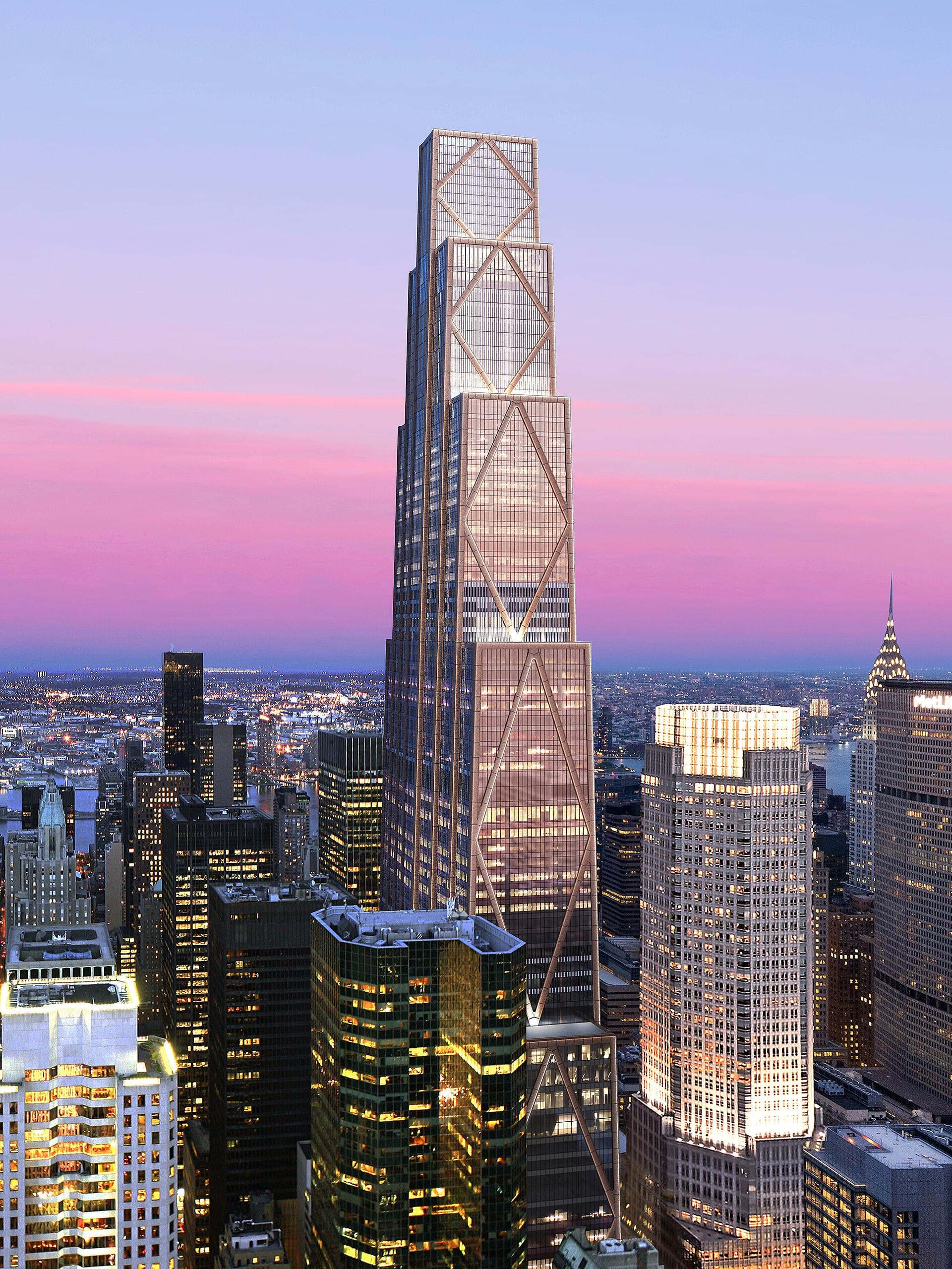
The meeting with Jamie Dimon, held Monday at 270 Park Avenue, was the first between the two men. It came only weeks after Mamdani faced backlash for proposing higher taxes on wealthy New Yorkers, a message that helped define his campaign but also drew fire from billionaires, market leaders and corporate executives wary of a broader anti-business turn in City Hall. JPMorganChase said the discussion was constructive and friendly, and the setting was no accident. The bank’s 60-story all-electric tower is now the city’s largest such office building, a visible marker of the scale and permanence of finance in Manhattan.
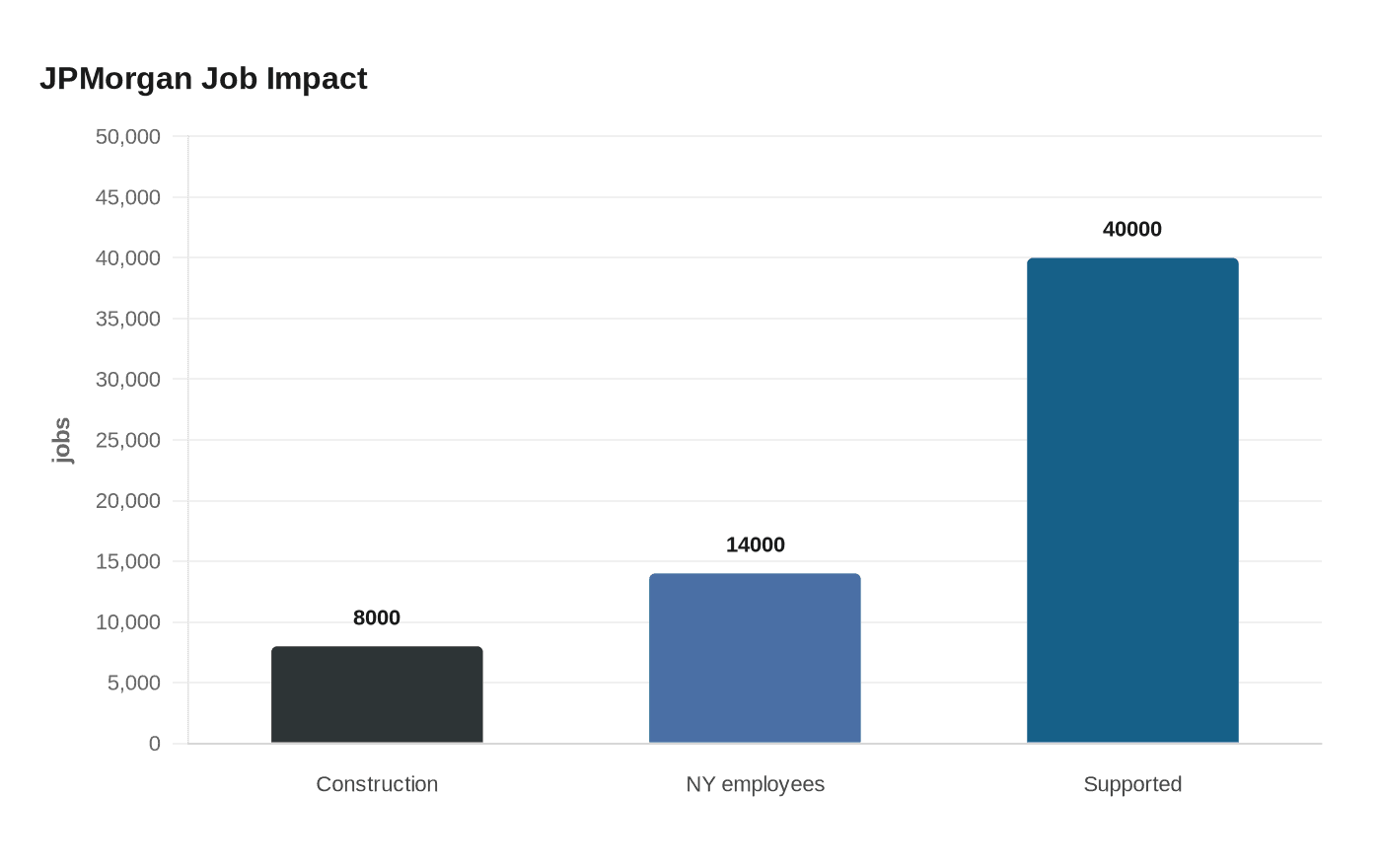
JPMorganChase has framed the headquarters as both an operating base and an economic statement. The company says the project created about 8,000 construction jobs and added $2.6 billion to New York City’s economy. It says the building will eventually house 14,000 New York-based employees. An independent Deloitte study cited by the bank says JPMorganChase’s employees and operations contribute $29.8 billion a year to the city and support another 40,000 jobs across local industries. For a mayor trying to freeze rents, expand public services and show that government can still move quickly, those numbers are part of the same political equation as the taxes he wants to raise.
Mamdani has built his profile around affordability and redistribution. His campaign platform includes city-owned grocery stores, fare-free buses, no-cost childcare and a plan to raise the minimum wage to $30 by 2030. On housing, he has argued that New York is facing its highest homelessness level since the Great Depression and that more than half of households are rent-burdened. His housing proposal calls for 200,000 new publicly subsidized, rent-stabilized homes over 10 years, backed by what his campaign describes as a $100 billion commitment.
The meeting also underscored the practical limits of political combat in a city that depends on finance for jobs, tax revenue and investment. Dimon has previously said cities need cooperation across sectors to solve stubborn urban problems, and JPMorganChase has emphasized its status as one of New York’s biggest private employers. Mamdani, for his part, has run an unusually small-donor-heavy campaign that hit New York City’s $7.9 million public matching spending limit for both the primary and general contests, a reminder that his insurgent politics still depend on the machinery of city governance.
The encounter suggested a narrow but necessary truce. Mamdani needs a working relationship with the institutions that anchor New York’s economy, and those institutions need a mayor who can govern a global city without making business feel permanently under siege. The tension over taxes is unlikely to disappear, but neither side can afford to treat the other as irrelevant.
Know something we missed? Have a correction or additional information?
Submit a Tip