Mass Stampede at Haitian Tourist Site Leaves Dozens Dead
At least 30 people, many of them students, died in a stampede at the entrance to Citadelle Laferrière during an annual celebration, officials warned the toll could rise.
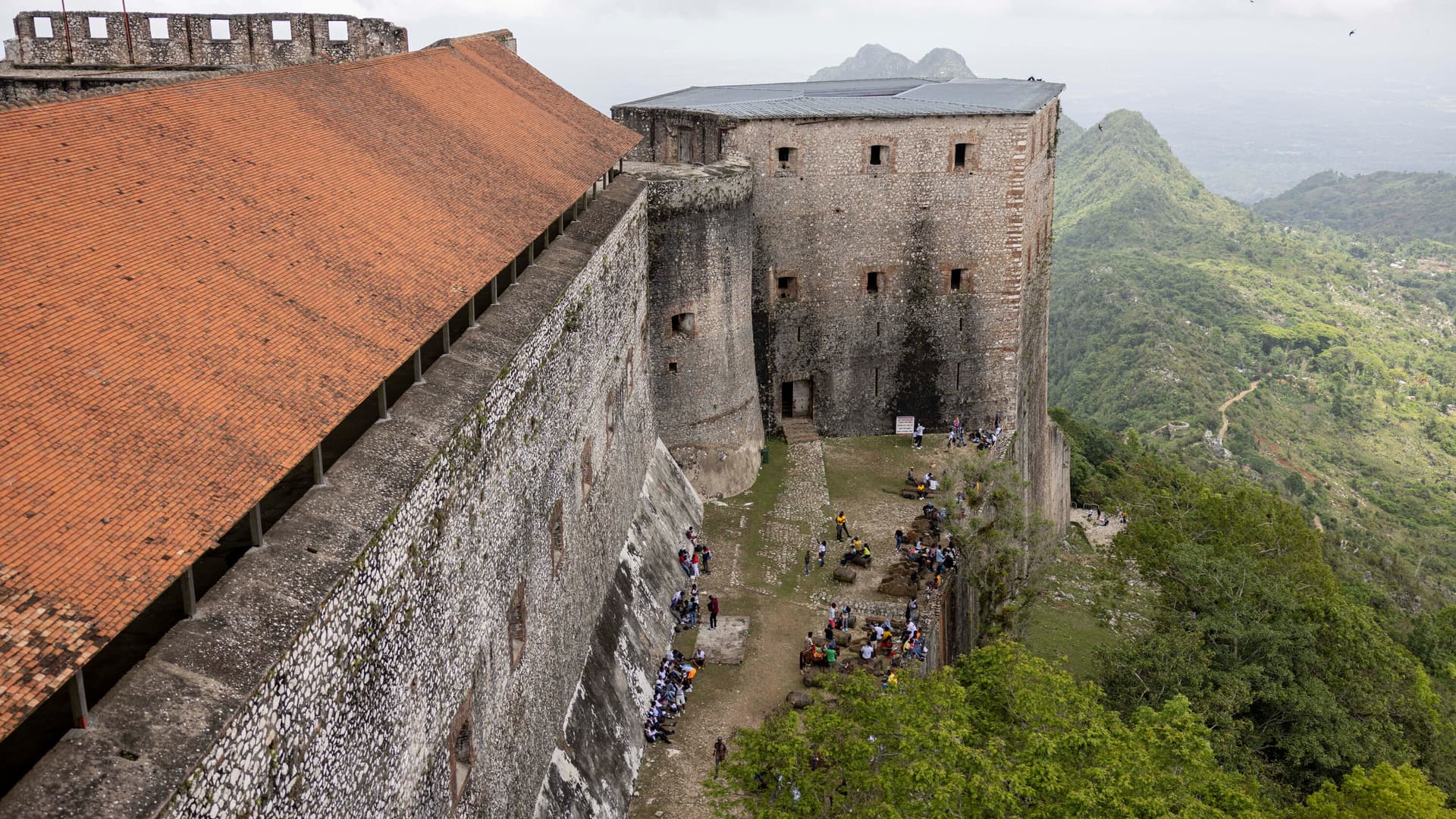
At least 30 people were killed in a crushing stampede at the entrance to Citadelle Laferrière in Milot, northern Haiti, during a packed annual celebration on Saturday, April 11, 2026, officials said, and authorities warned the death toll could rise as rescue teams searched the site. Jean Henri Petit, head of Civil Protection for the Nord Department, said the surge occurred at the fortress entrance and that heavy rain further exacerbated conditions that day.
The site was filled with students and visitors who had come for the UNESCO World Heritage commemoration, local authorities and international wire services reported. Haiti’s Prime Minister Alix Didier Fils-Aimé extended "his sincere condolences to the bereaved families" and noted that "many young people" were in attendance, while the national government confirmed the stampede and offered condolences to victims’ families. Local reports said municipal teams and Haiti Civil Protection personnel were mobilized and that searches for survivors were underway.
The Citadelle Laferrière is more than a tourist attraction: it is central to Haiti’s national identity. The National History Park – Citadel, Sans-Souci, Ramiers was inscribed by UNESCO in 1982 as a World Heritage Site and is described by UNESCO as a universal symbol of liberty, built in the aftermath of independence by formerly enslaved people. Encyclopaedia Britannica records that Henry Christophe began construction of the Citadelle in 1804 and that it took 13 years to complete, a structure often called the "Eighth Wonder of the World."
Beyond the immediate human toll, the disaster threatens livelihoods tied to the Citadelle and the wider tourism economy of northern Haiti. World Bank and regional development projects have long positioned the National History Park as an economic lever for the Cap-Haïtien and Milot area, with community projects designed to channel heritage visits into income for artisans, guides, and service workers. Any decline in visitation after a catastrophe of this scale would directly hit those local income streams and the seasonal revenues that sustain hotels, transport operators, and vendors who rely on holiday crowds.
Initial accounts point to overcrowding at a constrained access point and severe weather as proximate triggers; reporting has not yet established whether event organizers followed formal crowd-management or safety protocols. The park is administered by ISPAN, the Institut de Sauvegarde du Patrimoine National, created in 1979, and the National Historic Park itself was created by presidential decree in 1978, institutions that will be central to any reconstruction of procedures or rules governing large gatherings at the site.
The stampede adds to a string of recent tragedies that have strained Haiti’s emergency response capacity and economic resilience: Reuters and other outlets have cited past incidents including a 2024 fuel-tanker explosion that killed roughly two dozen people, a 2021 fuel-tank blast that killed about 90 people, and the 2021 earthquake that killed around 2,000. As authorities investigate what precipitated the April 11 surge, the outcome will shape not only accountability and potential new safety rules but also how quickly the Citadelle can recover as both a living national symbol and an economic lifeline for northern Haiti.
This article was produced by Prism’s automated news system from verified source data, official records, and press releases, then run through automated quality and moderation checks before publishing. The system is built and supervised by the people who set the standards it runs under. Read our full AI policy.
Did this article answer your question?


