Michigan appeals court overturns Whitmer plot conviction, orders new trial
A Michigan appeals court threw out Joseph Morrison’s Whitmer-plot conviction after finding jurors were misinstructed on what counted as a violent felony. Dana Nessel vowed to take the fight to the state Supreme Court.

A Michigan appeals court wiped out Joseph Morrison’s conviction in the Whitmer kidnapping case, saying the jury was instructed under the wrong legal theory. The 3-0 ruling sent the Jackson County man back for a new trial and revived a fight over how far prosecutors can stretch conspiracy and support charges in politically charged extremism cases.
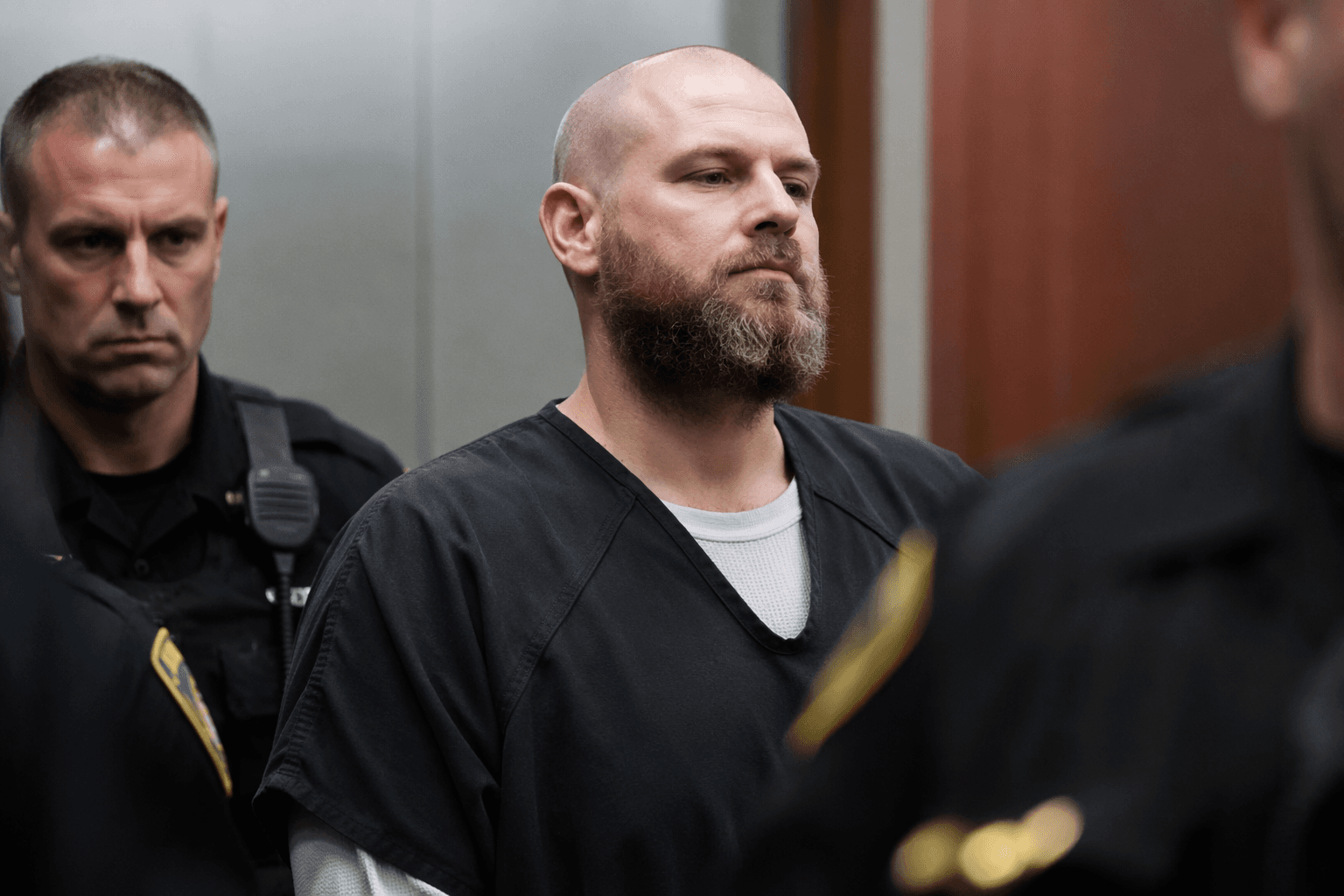
Morrison had been convicted in 2022 of providing material support for a terrorist act, gang membership and felony firearm possession, then sentenced to four to 20 years in prison. The Michigan Court of Appeals said the instructions were flawed because kidnapping did not qualify as a violent felony under the state-law theory used at trial. That error, the court concluded, undermined the conviction and required the case to be vacated.
The decision landed as a sharp rebuke to one of the most closely watched domestic-terrorism prosecutions in recent years. The kidnapping scheme emerged in 2020 during the COVID-19 pandemic, when prosecutors said a group of men was angry over Gov. Gretchen Whitmer’s restrictions. The case has moved through years of state and federal proceedings, with mixed outcomes that have tested the limits of how prosecutors prove intent, association and individual responsibility.
Michigan Attorney General Dana Nessel condemned the ruling in forceful terms, calling it “completely and irredeemably nonsensical, outrageous and irresponsible.” She said her office would appeal to the Michigan Supreme Court, keeping the legal fight alive even as the appellate court narrowed the case to Morrison alone.
The ruling affects only Morrison and does not disturb the broader Whitmer-plot prosecutions. Fourteen men were charged in state or federal court over the alleged scheme. Before Morrison’s conviction was overturned, five of the 14 had been acquitted at trial and nine had been convicted. The long record of verdicts and reversals has left prosecutors with important wins, but also with setbacks that expose how difficult it can be to translate alarming rhetoric and extremist association into durable convictions.
For prosecutors, the Morrison decision underscored a central problem in the case: proving not just that a defendant moved in dangerous circles, but that the state’s chosen theory fits the conduct charged. For the defense, it marked another reminder that even in a case rooted in a national shock, appellate courts still demand exacting proof and proper jury instructions before a conviction can stand.
This article was produced by Prism’s automated news system from verified source data, official records, and press releases, then run through automated quality and moderation checks before publishing. The system is built and supervised by the people who set the standards it runs under. Read our full AI policy.
Know something we missed? Have a correction or additional information?
Submit a Tip