Middle East War Delays Global LNG Surge, Tightens Gas Markets Through 2027
Damage to Qatar's LNG infrastructure and the Strait of Hormuz closure have cut supply, pushed gas prices to 2023 highs, and could keep markets tight through 2027.
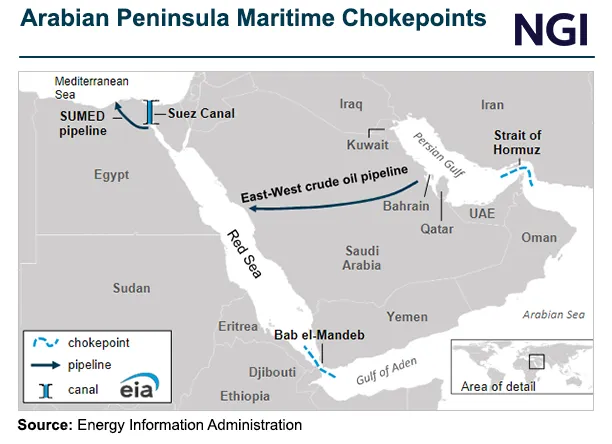
War damage to Qatar’s LNG facilities is now rippling far beyond the Gulf, threatening to keep heating bills, power costs and industrial fuel prices elevated across major importing markets for at least two more years. The International Energy Agency said the Middle East conflict has already knocked the global gas market off balance, delayed a new wave of LNG supply by at least two years and left the market tight through 2026 and 2027.
The pressure is coming from two directions at once. Since the start of March, shipping disruptions through the Strait of Hormuz have effectively removed close to 20% of global LNG supply from the market, while attacks on liquefaction infrastructure in the Middle East have weakened the medium-term outlook for new cargoes. In March, as volatility surged, natural gas prices in Asia and Europe climbed to their highest levels since January 2023. That matters directly for households and businesses because LNG sets the marginal price for gas in many markets, feeding through into electricity generation, district heating and factory fuel bills.
The IEA said the combined effect of immediate supply losses and slower capacity growth could leave the world short about 120 billion cubic metres of LNG between 2026 and 2030. That shortfall is larger than a temporary trading shock. It suggests a longer contest for cargoes as Europe, Asia and other importers compete for limited supply while new projects elsewhere are still coming online too slowly to replace the disrupted Middle East volumes.
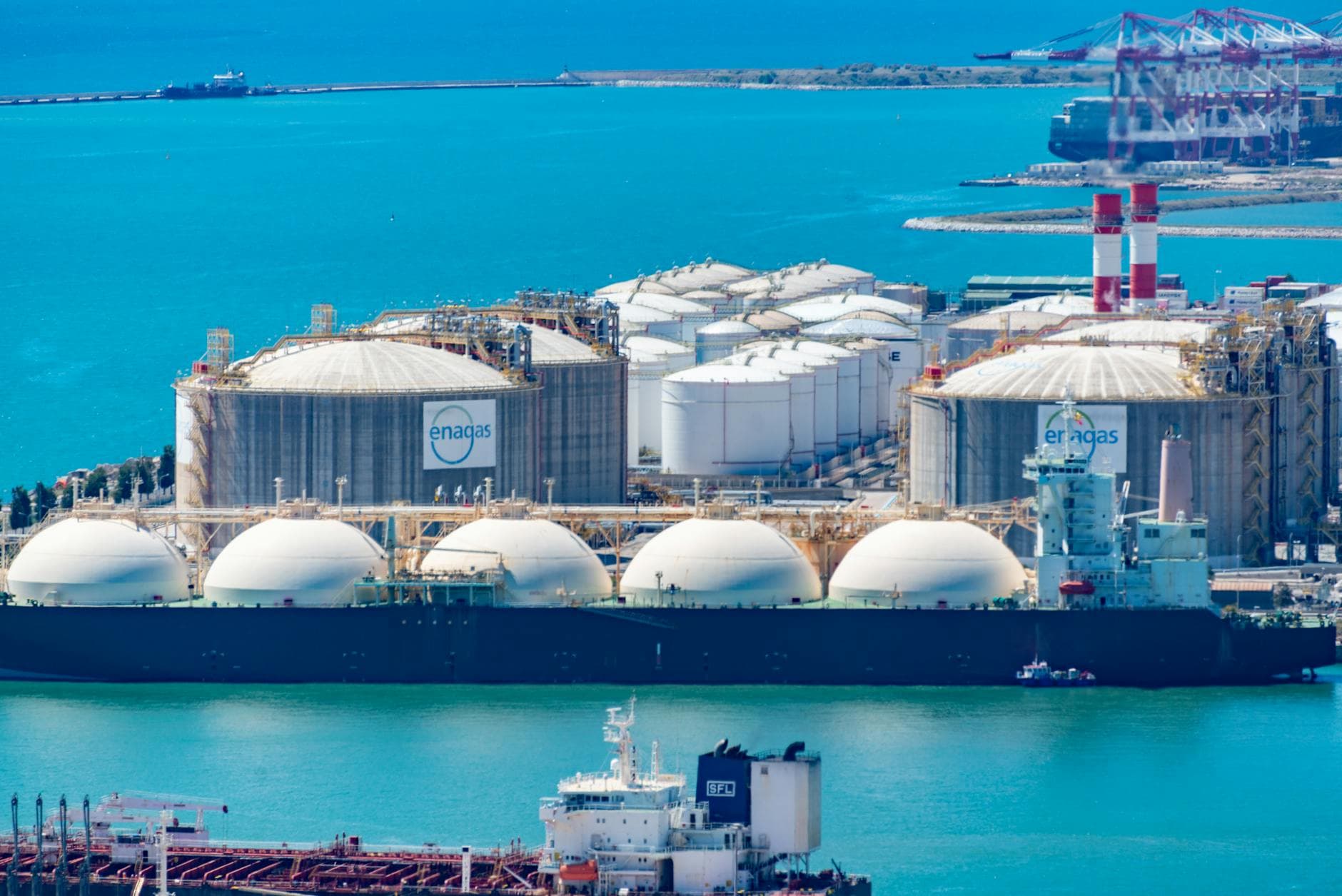
Qatar sits at the center of the squeeze. Qatar’s energy minister said Iranian strikes on Ras Laffan Industrial City cut LNG capacity by 17%, and warned repairs could take up to five years. The IEA said the disruption to transit through the Strait of Hormuz has reduced LNG supplies from Qatar and the United Arab Emirates by more than 300 million cubic metres a day since March 1, deepening the strain on a system that had started 2026 with easing fundamentals before the conflict reversed them.
There are some offsets. The IEA said demand-side measures and fuel switching in Asian importing countries are already trimming gas use, and new LNG projects in other regions should eventually soften the impact. But the agency also called for more investment across the LNG value chain, stronger cooperation between producers and consumers, and more diversified long-term contracts. For gas buyers, the message is clear: the war has not only damaged infrastructure in Qatar, it has also delayed relief for the global market and intensified the fight for supply through the end of 2027.
This article was produced by Prism’s automated news system from verified source data, official records, and press releases, then run through automated quality and moderation checks before publishing. The system is built and supervised by the people who set the standards it runs under. Read our full AI policy.
Did this article answer your question?

