Soldier’s Maduro Bet Indictment Spotlights New Gambling Cheating Tactics
A U.S. soldier allegedly used secret details of Maduro’s capture to net more than $400,000 on Polymarket, exposing how prediction markets can be gamed.
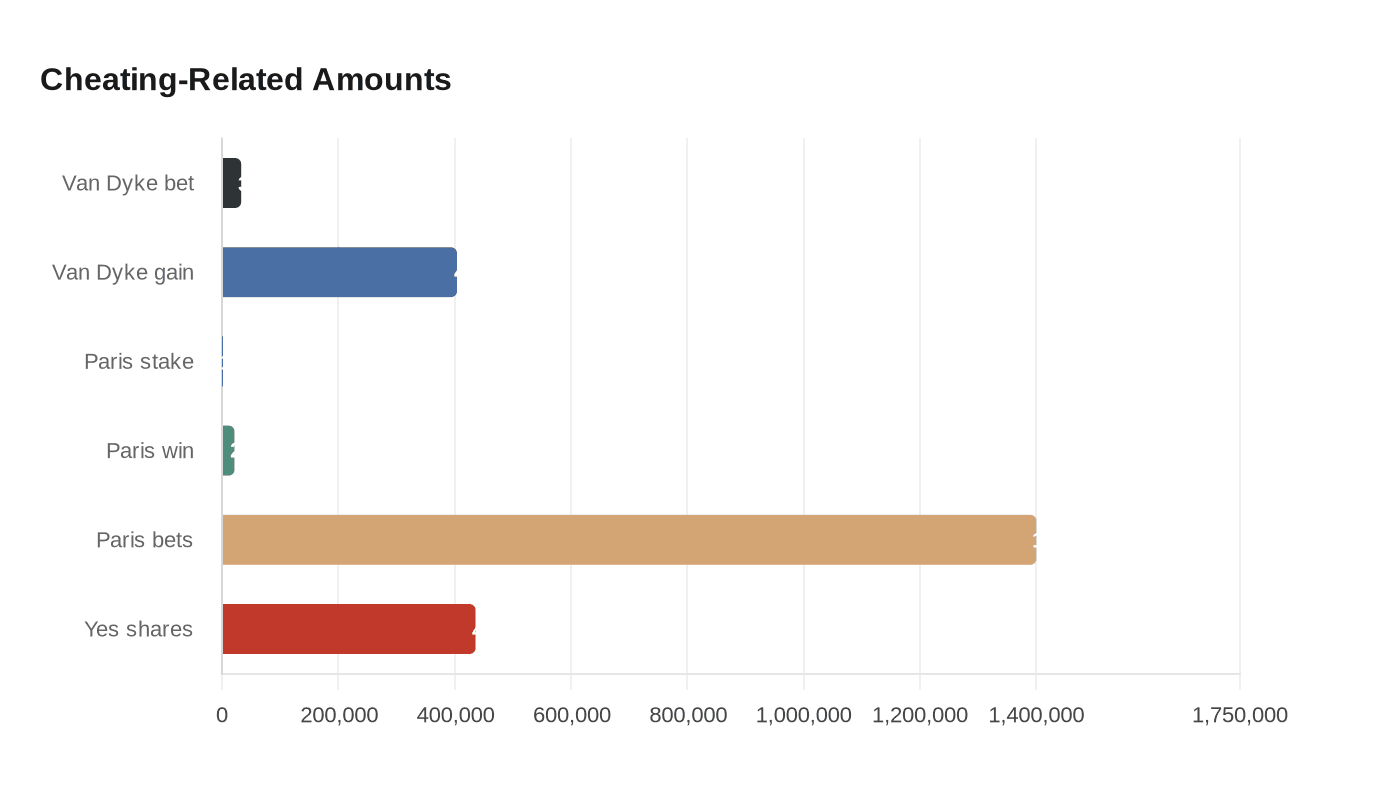
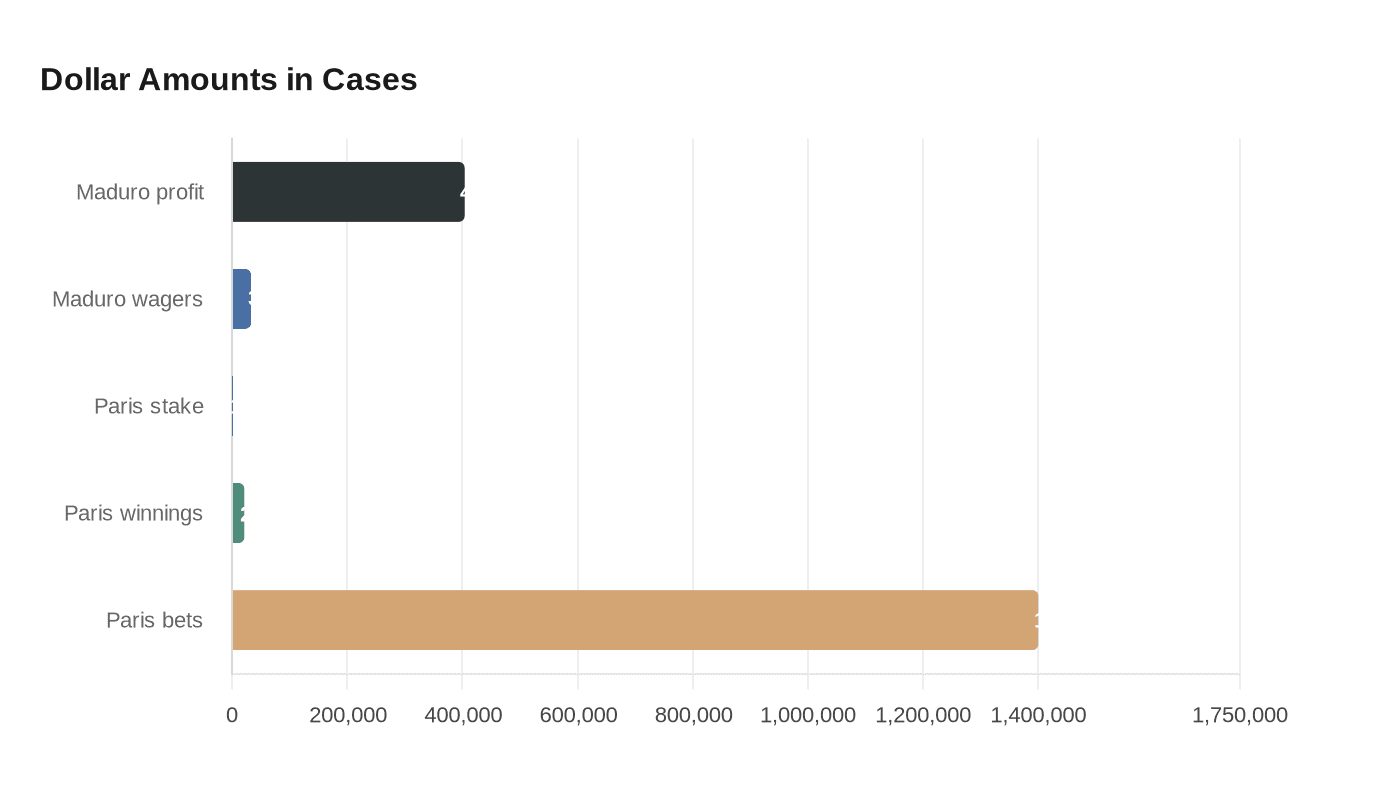
Federal prosecutors in Manhattan unsealed an indictment Thursday charging Gannon Ken Van Dyke, an active-duty U.S. Army soldier, with using classified information from the mission to capture Nicolás Maduro to profit on Polymarket. Authorities said Van Dyke traded on the outcome of “Operation Absolute Resolve,” bought more than 436,000 “Yes” shares in the “Maduro Out by January 31, 2026?” contract between Dec. 30, 2025, and Jan. 2, 2026, and generated more than $404,000 in profits from roughly $33,000 in wagers.
The case put a hard edge on a market that advertises itself as a place where users buy and sell shares on future events, from elections and geopolitics to sports and entertainment, with trades matched against other users rather than a house. Polymarket’s own rules say traders may not use stolen confidential information, illegal tips, or positions of influence to affect outcomes. The problem is that those safeguards depend on the line between public forecasting and private knowledge staying intact, and that line can disappear fast when military planning, politics or crisis events become tradable contracts.
Regulators moved quickly to frame the conduct as more than a platform violation. The CFTC said it filed a complaint against Van Dyke in federal court and that the case was the first time it had charged insider trading involving event contracts, and the first time it had used the so-called Eddie Murphy Rule to pursue misuse of government information. The agency also said it was seeking restitution, disgorgement, civil penalties, trading and registration bans, and a permanent injunction. That matters because prediction markets still sit in a gray zone for many readers: they can look like forecasting tools, but when trades are driven by nonpublic state secrets, they start to resemble a thinly disguised form of insider betting.
The Maduro indictment was not the only recent sign that prediction markets can be gamed by manipulating the underlying event itself. In France, officials opened a probe after unusual temperature spikes at Charles de Gaulle Airport coincided with winning Paris weather bets on Polymarket. One trader reportedly staked $119 and walked away with $21,398, while investigators examined whether weather sensors were tampered with and whether physical or digital interference had altered the data used to settle contracts. The Paris contracts drew about $1.4 million in combined bets, more than double the normal volume for similar wagers.
Together, the two cases exposed the same accountability gap from opposite directions. In one, a trader allegedly monetized secret military information before the market caught up; in the other, someone may have tried to bend the real-world data feed that decided the payout. As prediction markets expand deeper into elections, geopolitics and crisis coverage, the regulatory challenge is no longer whether people will try to cheat. It is whether the rules, the surveillance and the penalties can catch up before the next profitable secret or sensor glitch settles into the price.
This article was produced by Prism’s automated news system from verified source data, official records, and press releases, then run through automated quality and moderation checks before publishing. The system is built and supervised by the people who set the standards it runs under. Read our full AI policy.
Did this article answer your question?

