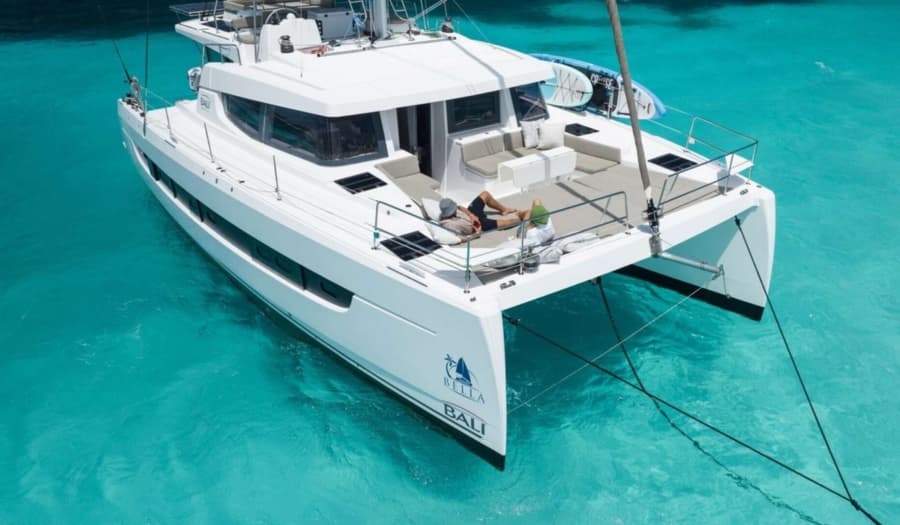
Multihull Maintenance Demystified: Practical Checklist, Biofouling and Routine Tasks
Change fuel filters every season or after about 100 gallons and fit new impellers at the start of each season to keep twin diesels reliable.
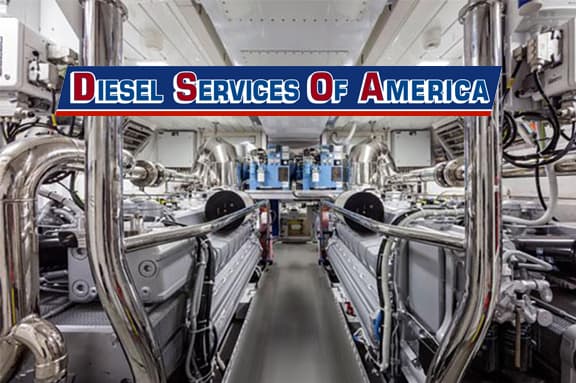
A cat’s annual maintenance load, apart from two engines, is about the same as a similar-size mono." That central line cuts through the old monohull snark, yes, cats have two rudders and two engines, but that does not mean twice the annual work or cost. The practical balancing act is in scheduling: change fuel filters every season, or after burning 100 gallons or so, install new impellers at the start of each season, and keep port and starboard engine hours roughly the same so service intervals match.
There is nothing special to maintaining a cat’s two diesel engines, and the basics matter. Clean fuel, a steady flow of cooling water, proper coolant level, and proper oil levels in the transmission or saildrive leg are the checklist. Keeping your engine room scrupulously clean is a recommended habit to spot an oil or fuel dribble, rubber shavings from an errant drive belt, or a seawater leak from a cracked hose before it becomes serious. Follow the dipstick routine for engine oil: pull out dipstick, clean dipstick, put the dipstick back in all the way and back out, and check oil level and colour; transmission oil is similar but put the dipstick back in without screwing it and check oil level and colour.
MaintenanceImpeller shows up as a discrete item for a reason: both salt and fresh water systems demand checks. For the salt water system, turn off water flow, check the strainer and empty debris, and check impeller for broken vains if issues persist. For the fresh water system, check reservoir fluid levels and open the radiator cap to check levels and colour. Cruising practice that installs new impellers at the start of each season pairs with these checks to reduce mid-cruise failures.
Do a general inspection for anything that might stand out - smells, leaks, excess fuel or water in the bilge. Maintenancebattery tasks include checking connections and movement, tightening with a spanner if loose, wire-brushing corrosion and applying a protectant, and checking battery-switch connections. MaintenanceBelt items instruct owners to check belts for fraying and correct deflection, and note you may need to remove a belt guard to inspect properly. Listen for WOBBLES, start the engine and perform the SOUND check, and note any unnerving new noises such as a windlass that suddenly makes a groaning, growling sound.
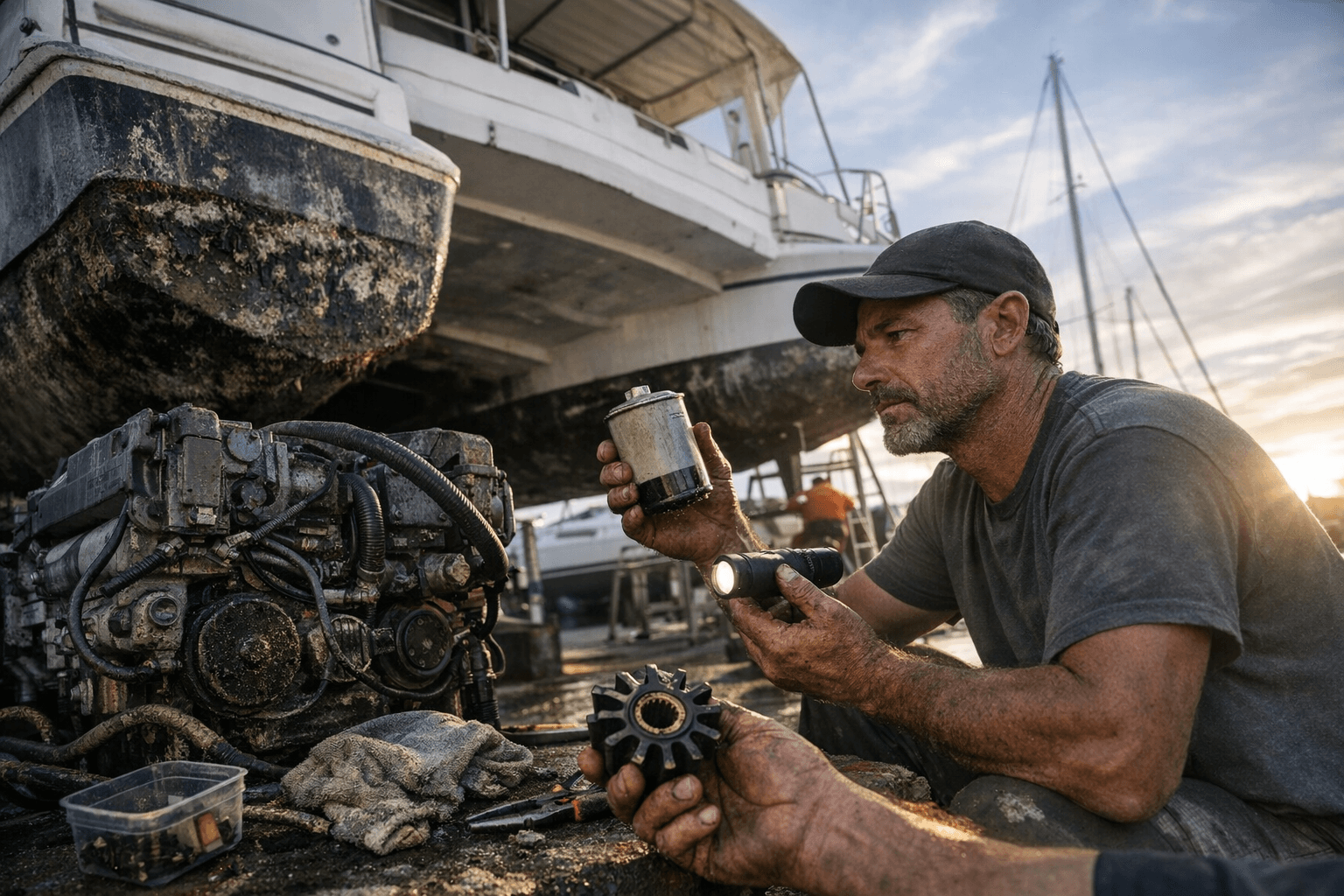
Hull care and biofouling are operational obligations as well as maintenance chores. Once antifoul stops working it doesn't take long for marine Macrofouling on the underwater areas of a boat's hull. The supplied guideline bullets are explicit: the risks posed by biofouling management measures should be balanced with the risks of failing to manage biofouling; there is an operational need to manage biofouling on vessels and movable structures; it is preferable to minimise the accumulation of biofouling on vessels and movable structures; and it is preferable for biofouling to be removed in the location where it was acquired before departing or moving to a new location. Tokens such as CleanHullsNine and CleanHullsGTen appear in checklist material and flag dedicated hull-cleaning steps worth clarifying in your own logs.
Practical rhythm ties this together: pre-season change of fuel filters and impellers, routine weekly or monthly dipstick and battery checks, belt inspections before heavy passages, and a standing general inspection for smells, leaks, and bilge fuel or water. Some maintenance items, such as expiration dates on your EPIRBs and the health of your flashlight batteries, are simple to check. You are the detective; keep records, match engine hours port to starboard, and treat the checklist items above as the workplan that keeps a twin-hulled cruising life reliable rather than twice as hard.
Know something we missed? Have a correction or additional information?
Submit a Tip