Museveni signs law curbing foreign influence in Uganda, rights groups warn
Museveni signed a law that can bring 10-year prison terms for advancing foreign interests, alarming rights groups even after lawmakers softened the bill.

President Yoweri Museveni has turned a disputed anti-foreign influence bill into law, giving Uganda a new tool that rights groups say could be used to police opposition politics, civil society and public debate. The measure carries penalties of up to 10 years in prison and steep fines for promoting the interests of a foreigner against Uganda’s interests, or for developing and implementing policy on behalf of foreign interests without government approval.
Parliament passed the Protection of Sovereignty Bill, 2026 on May 5 after trimming some of its most controversial clauses. Lawmakers said the amendments narrowed the bill’s scope, removed contentious provisions and brought it into line with the constitution and existing regulatory frameworks. One dropped proposal would have required any Ugandan receiving money from abroad to register as a foreign agent. Another concession removed language that would have classified Ugandans living abroad as foreigners.
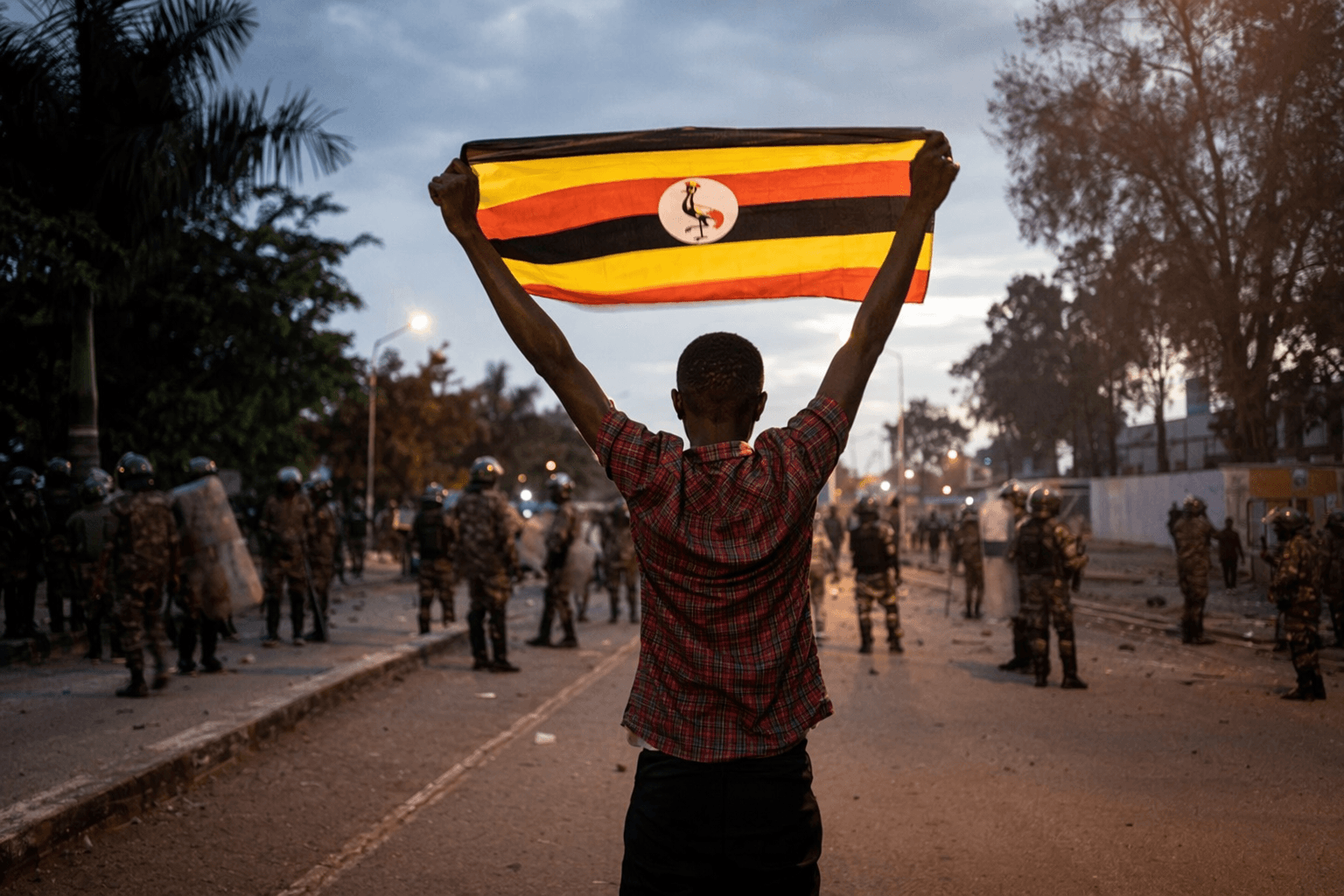
Even in softened form, the law gives the state a wider reach into civic space. Its broad wording could affect NGOs, journalists, opposition figures, donors and community groups that depend on foreign support to work on elections, legal aid, health, human rights and local accountability. The government says critics are exaggerating the impact, but opposition lawmakers called the bill unnecessary, legally redundant and potentially harmful to Uganda’s democratic and economic environment. The political implications are especially sharp in a country where Museveni, in power since 1986, has long accused domestic rivals of taking foreign money and of serving outside interests.
The administrative machinery for enforcement is already set. State House said the law will be carried out by the department responsible for peace and security in the Ministry of Internal Affairs. Kiryowa Kiwanuka, the attorney general, presented the revised language to joint parliamentary committees on April 30 before the bill cleared the House.
The economic stakes helped force the trimming of the original draft. Bank of Uganda-related reporting put diaspora remittances at about $1.42 billion in 2024, or 5.1 trillion Ugandan shillings, a record source of foreign exchange that has grown by more than 80% over the past decade. Michael Atingi-Ego, the central bank governor, warned the earlier version could cause an economic disaster for the country, while the World Bank said it could expose routine development work to criminal liability.
Uganda’s economy remains dependent on external financing, and the World Bank says the country had about 45.9 million people in 2024, with half the population under 18. The final law shows Museveni still trying to tighten control over civic organizing while avoiding a backlash that could scare off investors, aid groups and the diaspora transfers that keep money flowing home.
Know something we missed? Have a correction or additional information?
Submit a Tip