Musk and Altman face off in OpenAI nonprofit mission trial
Musk’s $150 billion fight over OpenAI exposed a deeper battle over who gets to control elite AI, and whether mission-first claims can survive private leverage.
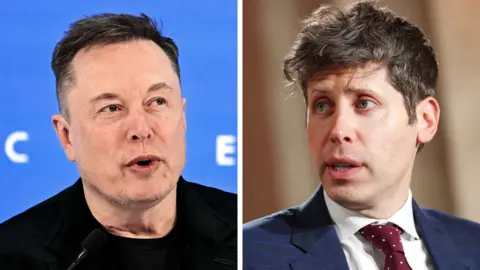
Inside a federal courtroom in Oakland, the OpenAI fight looked less like a personality clash than a stress test of how power works in Silicon Valley. A nine-person jury heard closing arguments on Thursday, May 14, 2026, after weeks of testimony over whether OpenAI stayed faithful to its nonprofit mission or turned that mission into a vehicle for private gain.
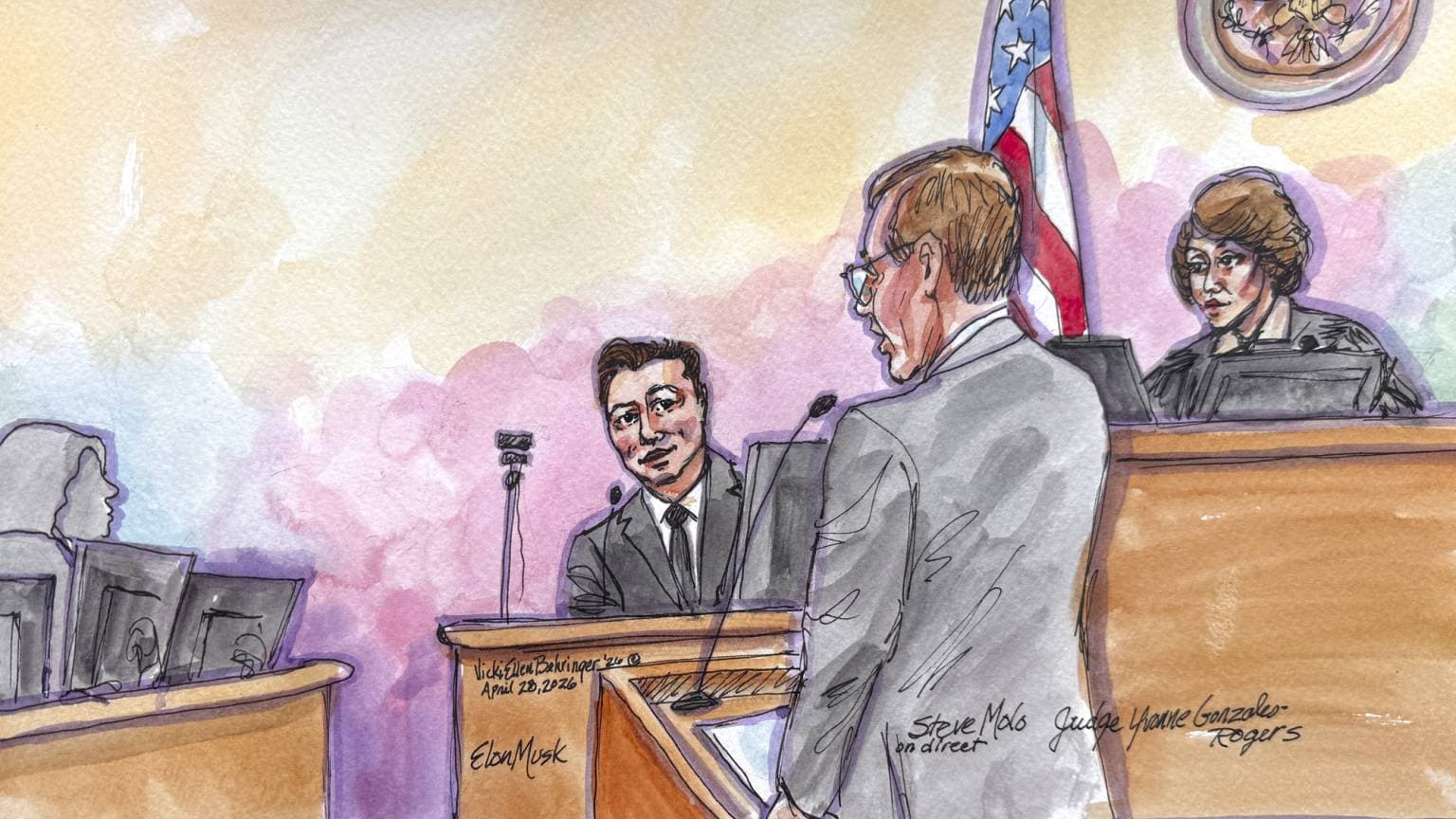
Elon Musk spent more than seven hours on the stand over three days, casting himself as a founder who supplied the idea, name, early funding, recruiting help and connections to figures such as Satya Nadella and Jensen Huang. Musk told jurors the project was meant to serve humanity, not enrich any individual, and his lawsuit seeks $150 billion in damages while asking the court to remove Sam Altman and OpenAI president Greg Brockman from their roles. OpenAI countered that Musk’s account was selective and that he had sought unilateral control of the lab before walking away when he could not get it.
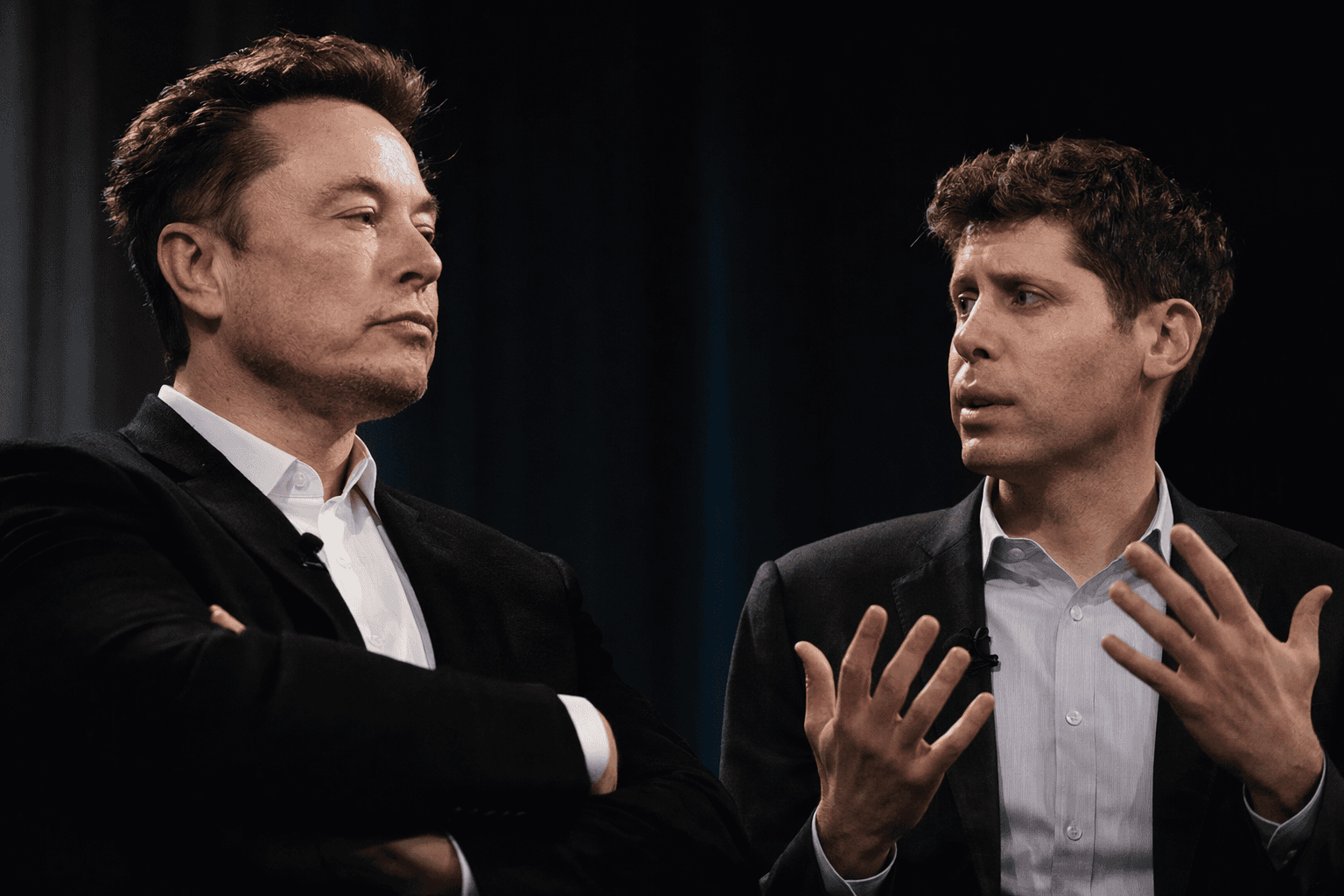
The case reaches far beyond two men who helped shape the modern AI boom. OpenAI was founded in 2015 as a nonprofit research lab, then shifted in 2019 to a capped-profit structure as it raced to secure the capital and computing power needed to build advanced AI systems. In May 2025, the company said its for-profit arm would convert into a public benefit corporation while the nonprofit would remain in control, a structure that sits at the center of the current dispute over who should govern the technology and who should profit from it.
Altman testified for roughly four hours over two days and said he never promised Musk that OpenAI would remain a nonprofit. He also said he briefly considered leaving during the 2023 leadership crisis, when OpenAI’s board ousted him on November 17, 2023, before reinstating him days later after employee revolt and public pressure. That episode, now back in the spotlight, underscored how unstable the company’s governance has been even as it has become one of the most influential players in AI.
The trial also sharpened scrutiny of Altman’s own financial ties. OpenAI chief executive Sam Altman holds more than $2 billion in stakes in companies that have done business with OpenAI, including Helion Energy, Stripe and Retro Biosciences. Those holdings have drawn fresh attention from state attorneys general and lawmakers, including a request from 10 U.S. attorneys general that the U.S. Securities and Exchange Commission scrutinize OpenAI documents and a separate push from the House Oversight Committee for information about possible conflicts of interest. Whatever the jury decides, the case has already exposed a core tension in AI: the gap between public promises of safe innovation and the private tactics used to control the industry’s most consequential companies.
This article was produced by Prism’s automated news system from verified source data, official records, and press releases, then run through automated quality and moderation checks before publishing. The system is built and supervised by the people who set the standards it runs under. Read our full AI policy.
Did this article answer your question?


